





From a gambling English lord to Bombay’s beloved chutney sandwiches, here’s the wonderfully quirky story of the world’s most convenient meal.
World Sandwich Day | 3 November
Imagine a world without sandwiches. No hurried breakfast toasties, no cucumber sandwiches at afternoon tea, no picnic lunches wrapped in butter paper, and certainly no glorious Bombay sandwich, piled high with vegetables, chutney and a generous sprinkling of chaat masala.
Unthinkable, isn’t it?
Yet, legend has it that one of the world’s most popular foods owes its fame to an English aristocrat who was simply too busy playing cards to stop for dinner.
And that, dear reader, is where our delicious story begins.
A Lord, a Loaf and a Game of Cards
Travel back to 18th-century England, to the world of powdered wigs, grand country houses and gentlemen who took their card games rather seriously.
Enter John Montagu, the 4th Earl of Sandwich (1718–1792).
According to a famous story, the Earl was so engrossed in gambling that he asked his servant to bring him slices of meat tucked between two pieces of bread. That way, he could eat without leaving the gaming table or getting his fingers greasy.
His companions reportedly began ordering the same thing, asking for food “the same as Sandwich”.
And just like that, a culinary name was born!
But was it really invented during a marathon gambling session?
Not quite.
The story was popularised by the French writer Pierre-Jean Grosley, who visited London in the 1760s. Historians have questioned whether gambling was actually the inspiration. Montagu was also an exceptionally busy naval administrator, and some suggest that he may have eaten this convenient meal while working at his desk.
Either way, the Earl gave his name to something far more enduring than his political career.
But Wait! The Earl Didn’t Invent It
Here’s the delicious twist.
People had been wrapping and stuffing food into bread for centuries before Lord Sandwich was born.
Ancient civilisations used flatbreads to scoop up and hold food. Jewish tradition also tells of Hillel the Elder, who is associated with eating bitter herbs and the Passover offering together with unleavened bread.
Across the Middle East, people were filling flatbreads with meats and vegetables long before the English aristocracy discovered the convenience of a portable lunch.
So, while the Earl of Sandwich may have popularised the name, he certainly didn’t invent the idea.
He simply had excellent public relations — without even knowing it!
When the Sandwich Came to India
Now, this is where things become particularly interesting.
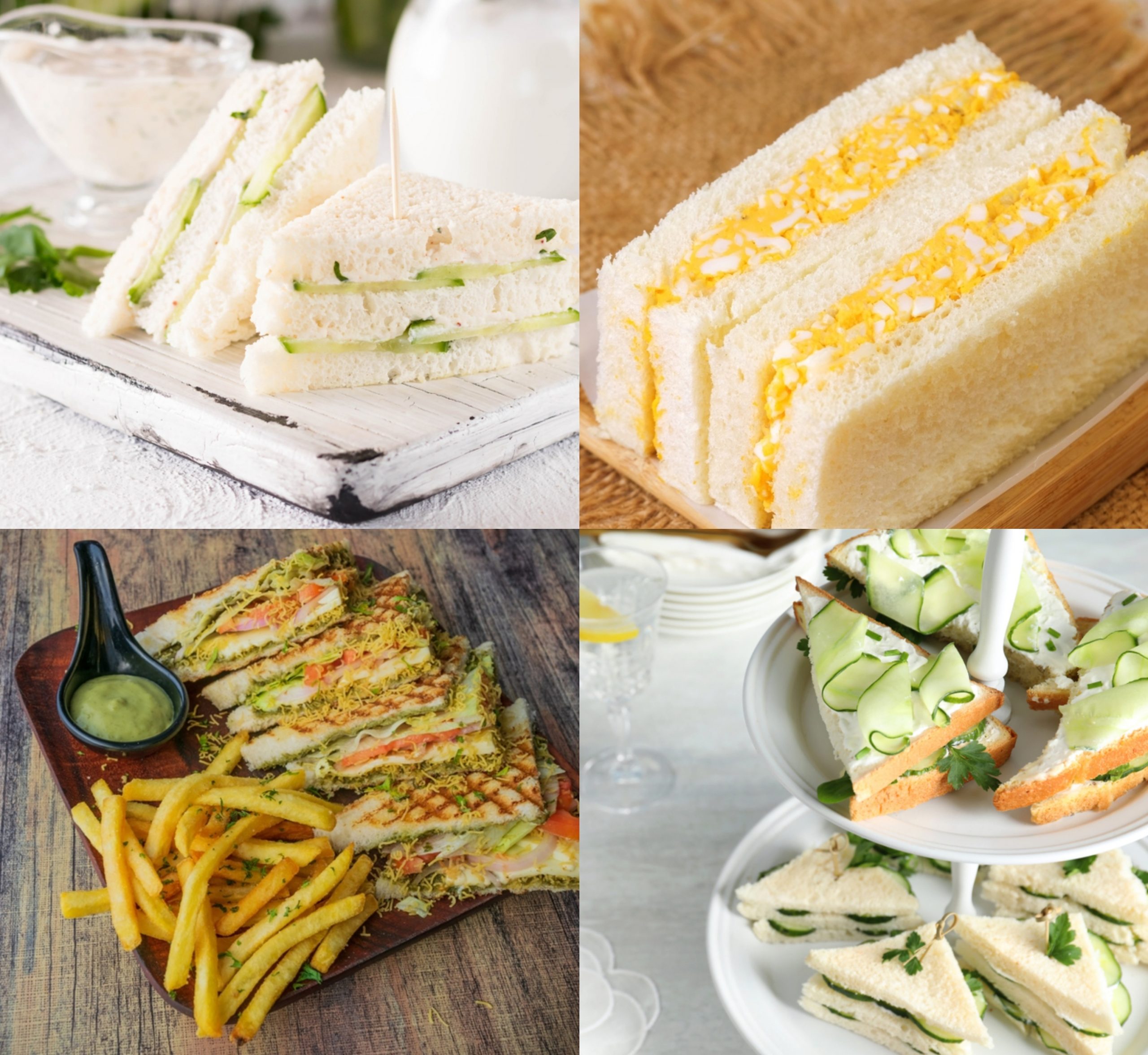
The British brought their own sandwich traditions to colonial India — delicate cucumber sandwiches, egg sandwiches, bread and butter, and the quintessential afternoon tea.
But Indians, being wonderfully inventive with food, weren’t about to settle for a few slices of cucumber and a polite smear of butter.
We introduced green chutney, potatoes, tomatoes, beetroot, onions, chillies, cheese and, of course, chaat masala.
The result? A sandwich with a personality all its own.
Think of the legendary Bombay sandwich — soft white bread generously buttered, layered with vegetables, slathered with coriander-mint chutney and finished with a dusting of spice.
Or its irresistible cousin, the grilled Bombay sandwich, toasted until golden and crisp, with melted cheese and spicy chutney oozing from the edges.
Then there’s the humble bread pakora, the spicy aloo sandwich, the masala toast and the comforting egg sandwich sold at railway stations and roadside stalls.
India didn’t merely adopt the sandwich. We gave it a complete makeover!
A Sandwich Full of Memories
For many of us, sandwiches are not simply food. They’re memories.
Remember school picnics when mothers packed tomato-and-cucumber sandwiches, carefully wrapped in butter paper?
Or long train journeys when a homemade sandwich, accompanied by a flask of tea, tasted infinitely better than anything served in a restaurant?
Perhaps you remember the old Irani cafés, with their simple sandwiches ( I didn’t include bun maska because it doesn’t qualify to be a sandwich—it deserves its own label and uniqueness), and steaming cups of chai.
And who could forget those birthday parties where triangle-cut sandwiches shared the table with potato wafers, samosas, orange squash and homemade cake?
There was something reassuring about those uncomplicated sandwiches.
No sourdough, no avocado, no exotic dressings. Just fresh bread, butter, chutney and a little imagination.
Sometimes, the simplest pleasures really are the best.
Let’s travel “Around the World in Nine Sandwiches”
Every country seems to have developed its own version of this wonderfully adaptable meal.
- England:
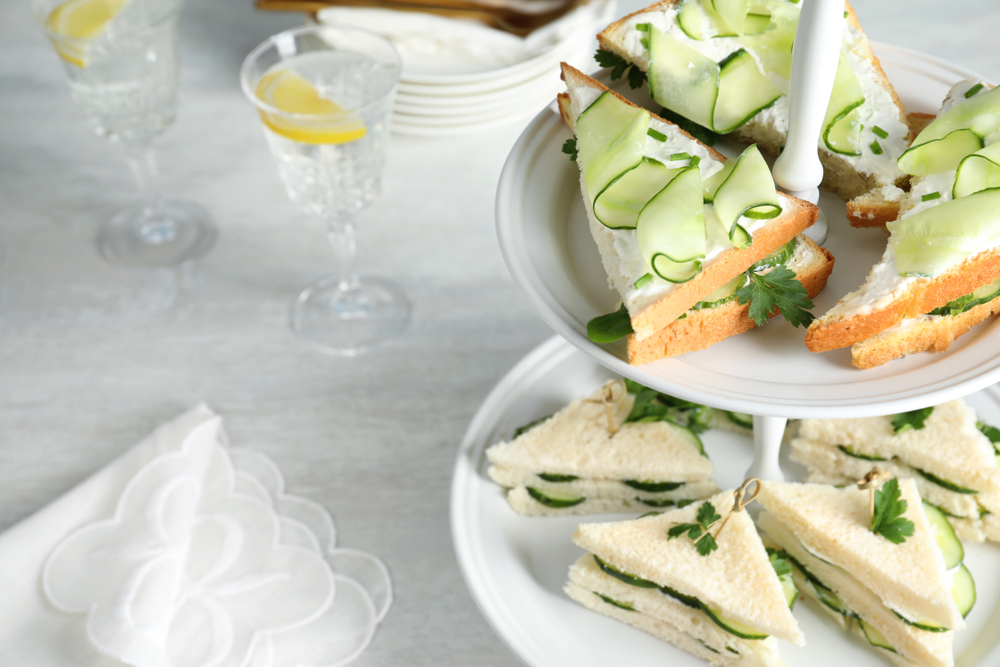
The classic wafer-thin sliced cucumber sandwich, a symbol of afternoon tea.
- France:
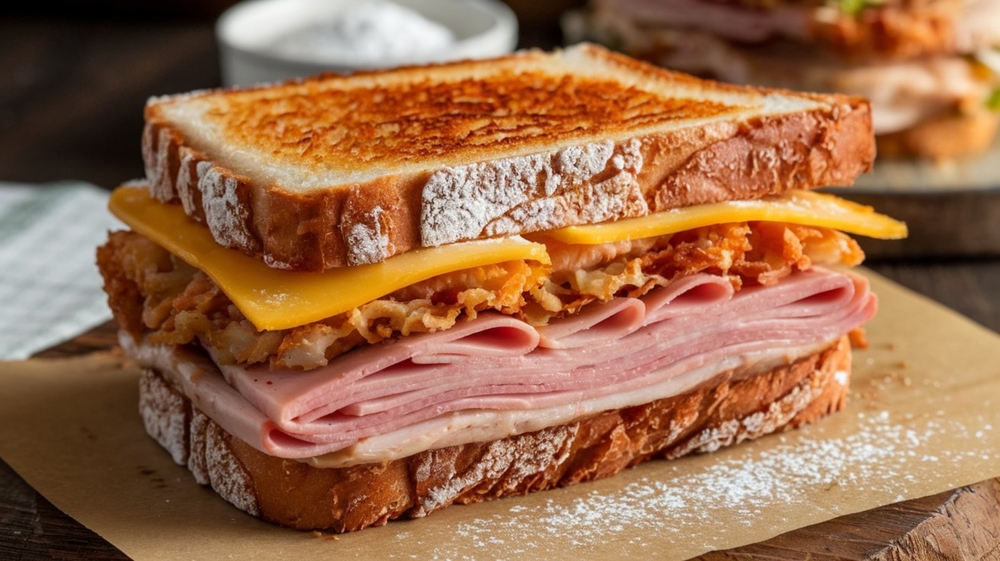
Croque monsieur, a toasted ham-and-cheese sandwich traditionally finished with a rich topping.
Italy:
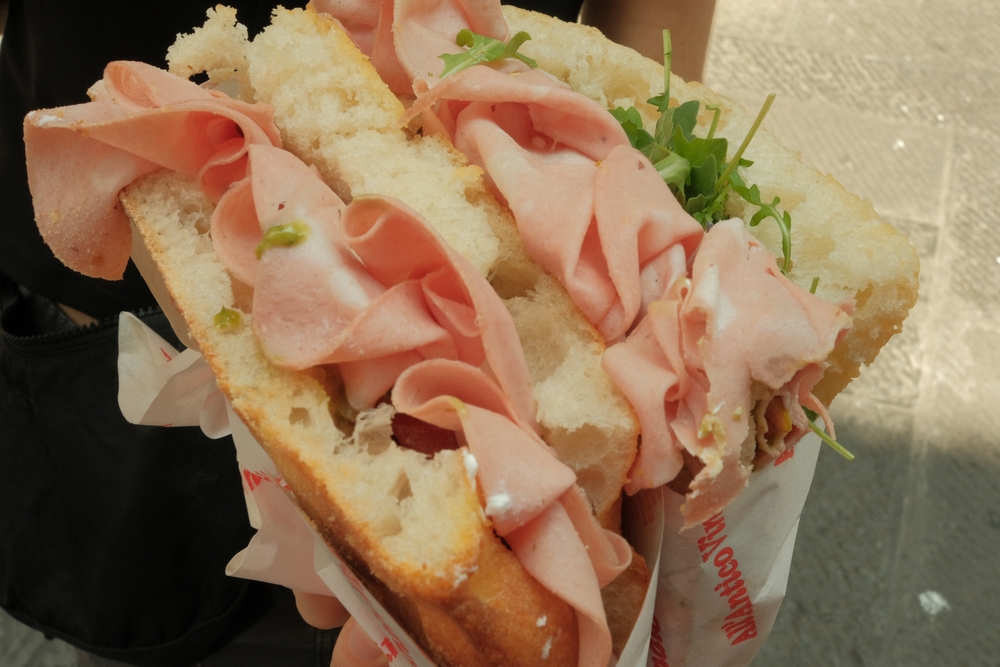
Panini, often made with crusty bread and fillings such as mozzarella, tomatoes and vegetables.
- Vietnam:
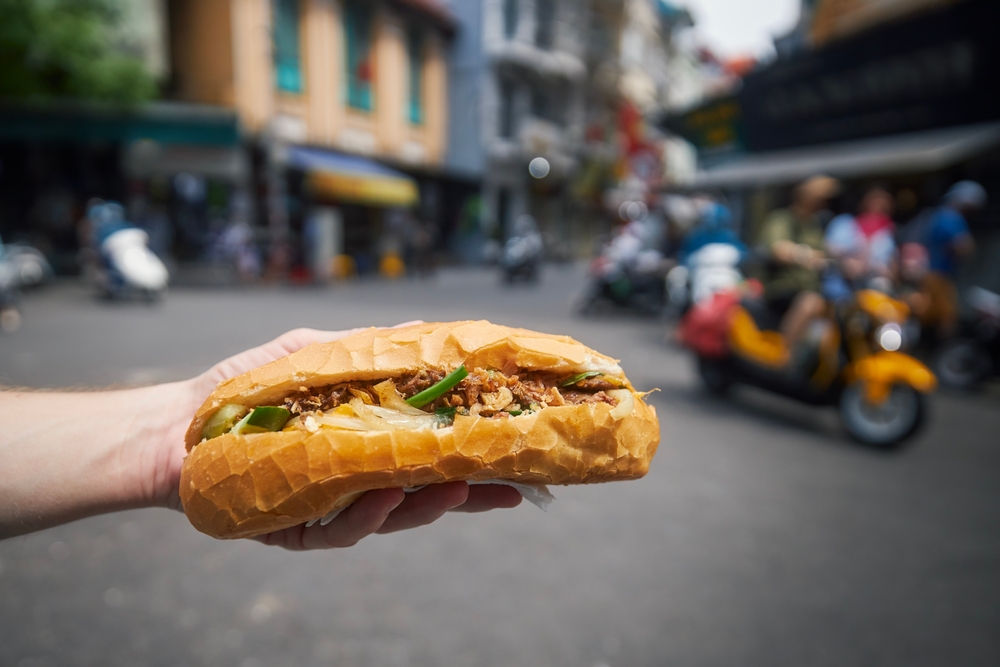
Bánh mì, a delightful fusion of French-style bread and Vietnamese herbs, pickles and savoury fillings.
- United States:
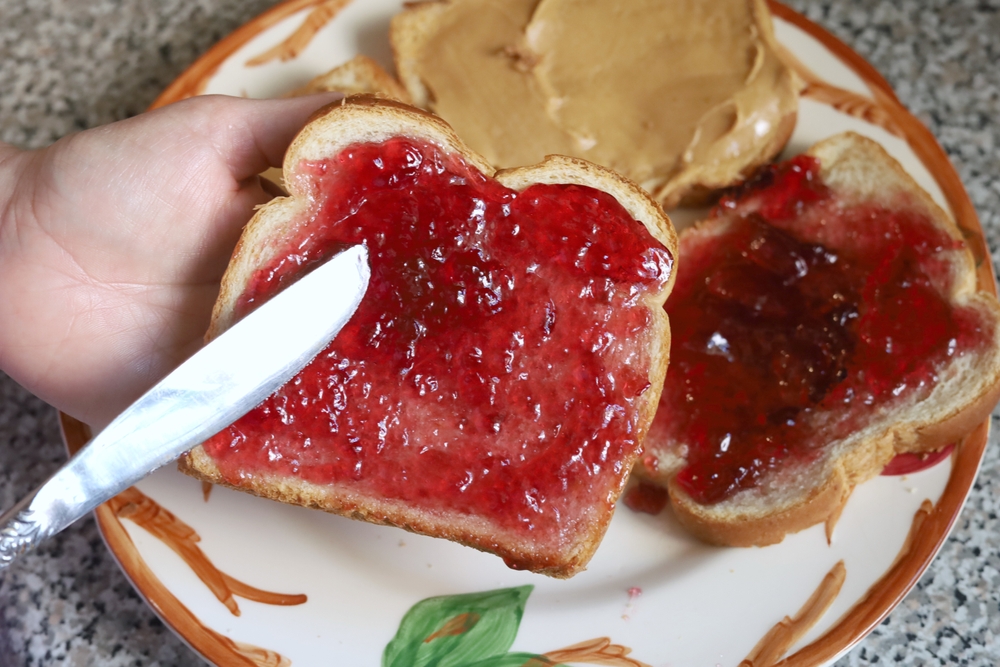
The peanut butter and jelly sandwich, a childhood favourite.
- Japan:
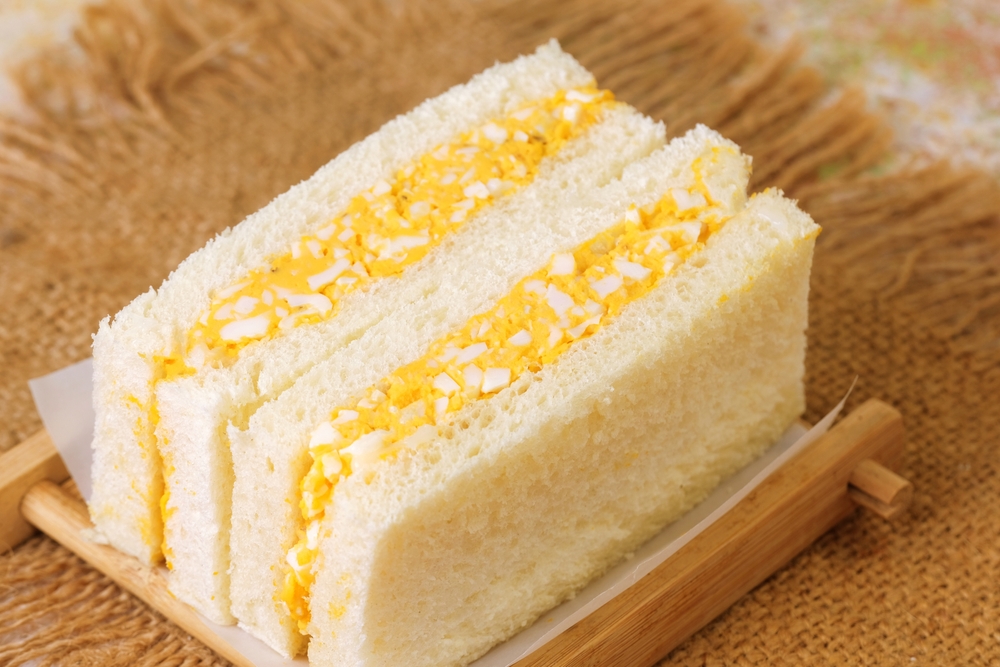
Tamago sando, a remarkably soft egg-salad sandwich made with fluffy milk bread.
- Mexico:
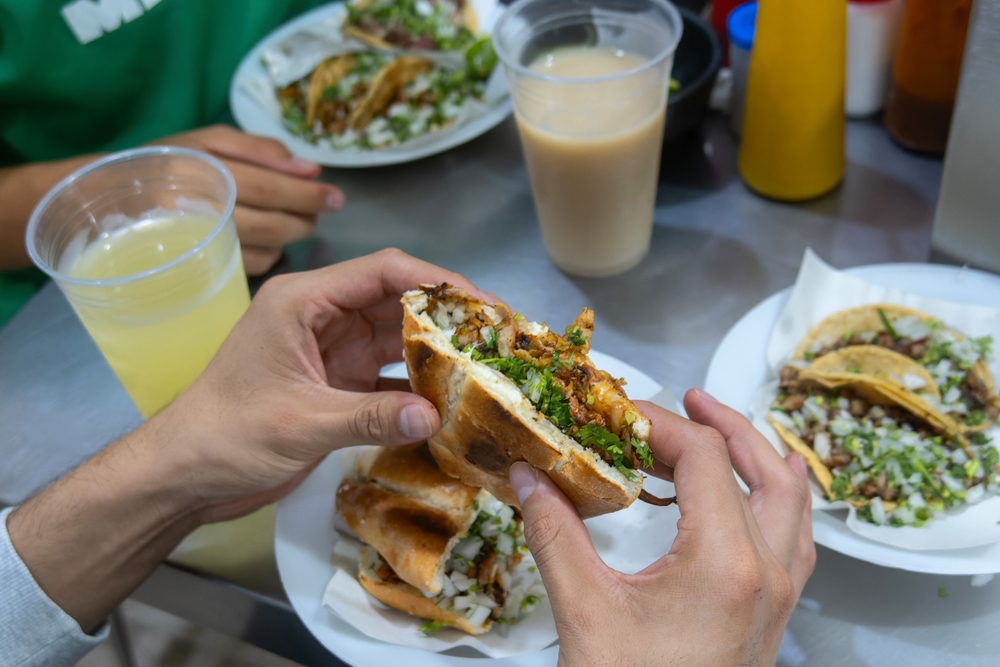
Torta, a substantial bread roll filled with meats, beans, avocado or other savoury ingredients.
- India:
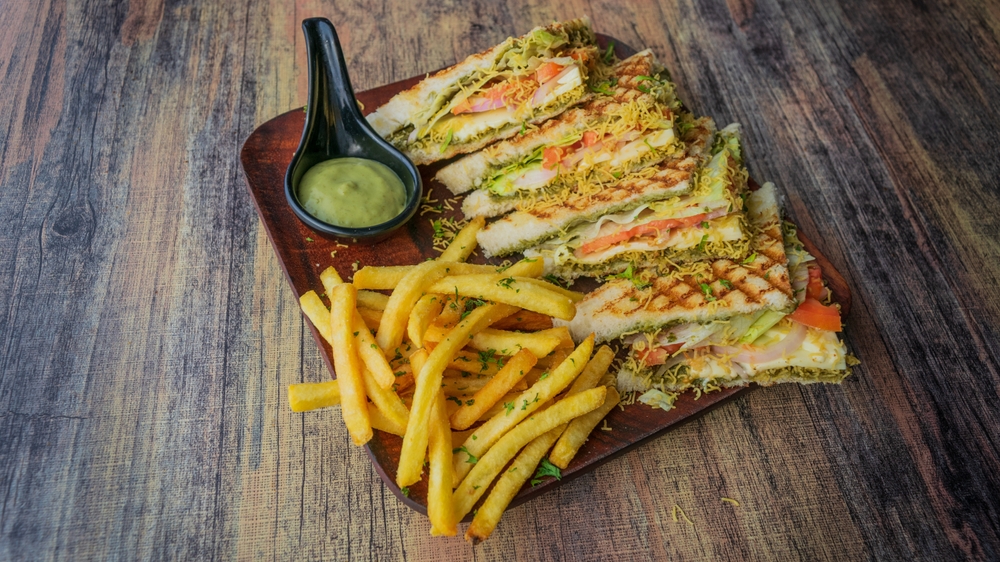
The Bombay chutney sandwich, bursting with spice, freshness and character.
- Denmark:
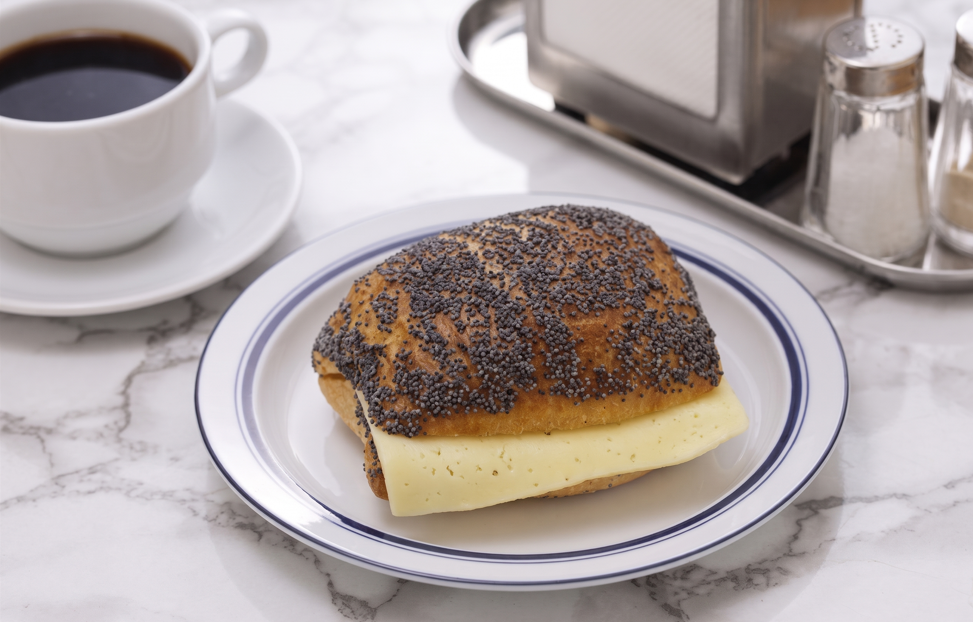
Bolle med ost (BMO): Believe it or not, one of Copenhagen’s trendiest sandwiches contains just three ingredients — bread, butter and cheese! Called Bolle med ost, meaning ‘bun with cheese’, this humble Danish favourite has become a social media sensation in 2026. The secret? A beautifully crusty sourdough bun, excellent salted butter and slices of rich, matured cheese, often the prized Danish Gammel Knas. Bakeries compete to perfect it, food enthusiasts rate their favourites, and its popularity even contributed to a shortage of the coveted cheese
And Then There’s Our Beloved Bun Maska!
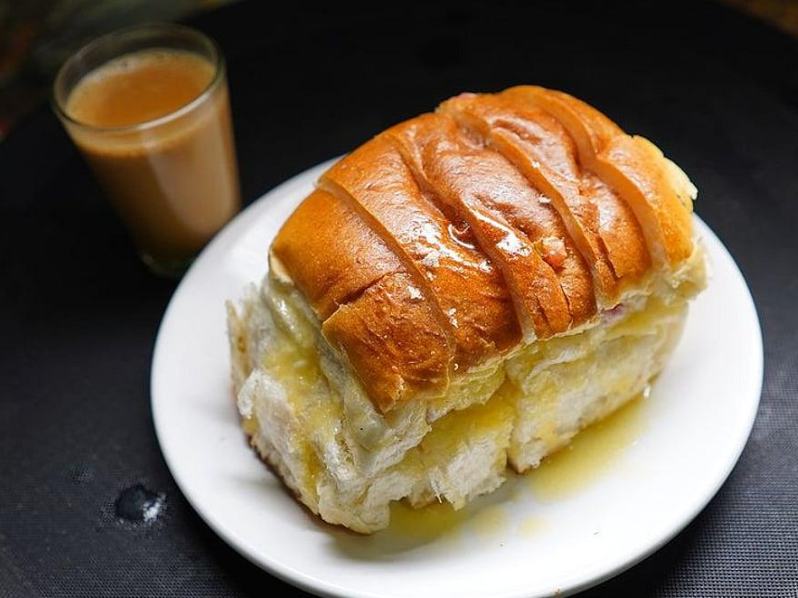
Is it a sandwich? Technically, perhaps. But anyone who has sat in an old Bombay Irani café, dipping a generously buttered bun into a steaming cup of sweet, milky chai, will tell you that bun maska deserves an identity entirely its own.
A soft, slightly sweet bun, sliced open and slathered with butter — sometimes so generously that it melts into every little crevice. No fancy fillings, no exotic sauces, no complicated preparation. Just pure, uncomplicated pleasure.
A cherished part of Mumbai’s Irani café culture, bun maska is not simply something you eat. It’s something you experience — preferably at a marble-topped table, with the clatter of cups, the murmur of conversations and absolutely nowhere you need to rush.
Call it a buttered bun, a tea-time companion or a little slice of nostalgia. But please, let’s not reduce our beloved bun maska to just another sandwich!
Some culinary treasures deserve their own category.