






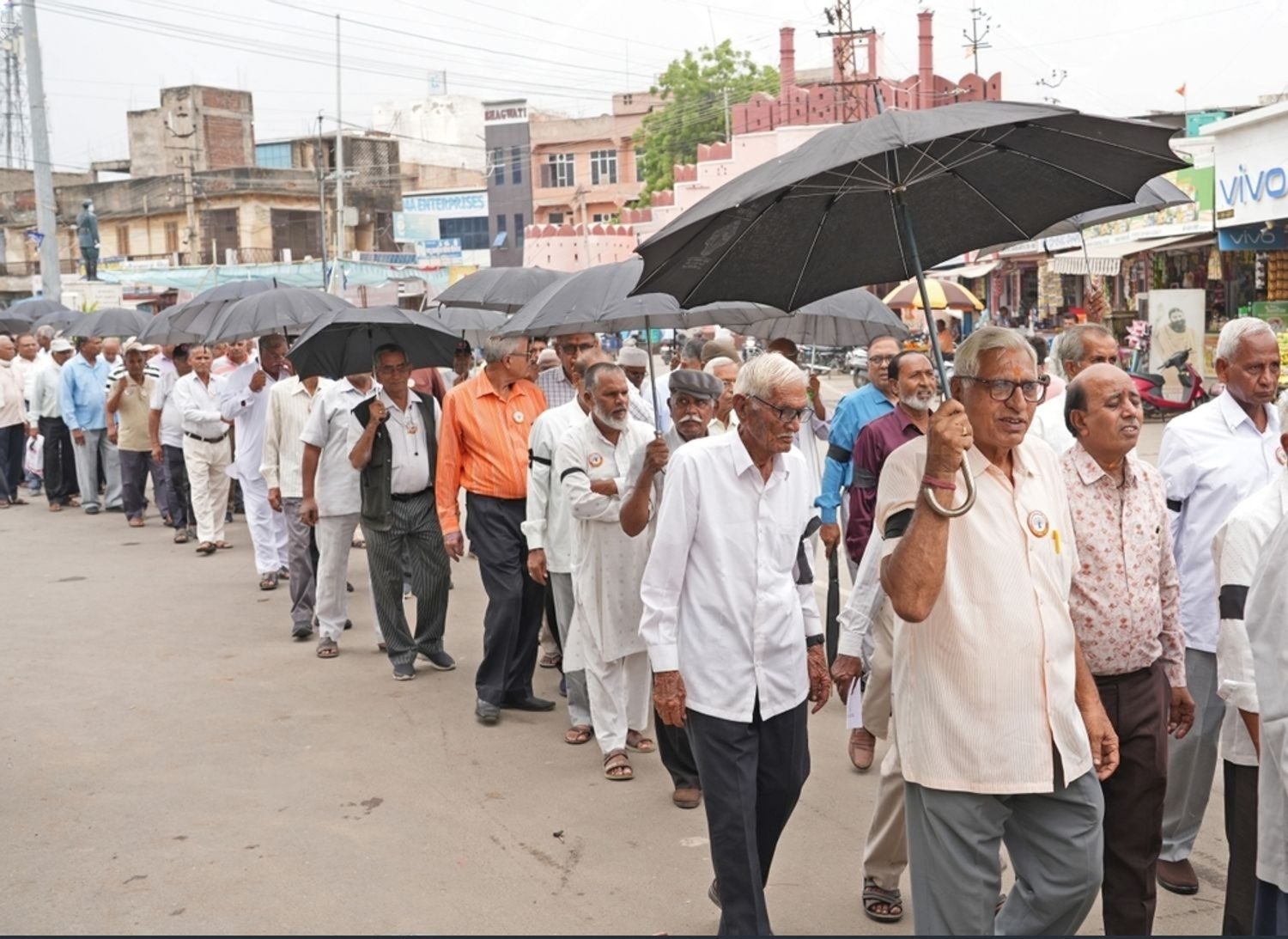
A closer look at how India’s urban centres are serving — or failing — their older residents
India is ageing. According to projections cited by the World Health Organization (WHO), India’s population aged 60 and above is expected to rise dramatically, reaching over 300 million by 2050. This means that nearly one in five Indians could be a senior citizen within the next 25 years. As this demographic shift gathers pace, an important question emerges:
Are Indian cities truly senior-friendly?
The answer is both encouraging and concerning.
While some cities are making deliberate efforts to improve accessibility, healthcare and social inclusion for older adults, many urban areas still present significant challenges that can make daily life difficult for seniors.
What Makes a City Senior-Friendly?
The WHO defines an age-friendly city as one that supports healthy and active ageing by adapting its services and infrastructure to the needs of older people.
Key features include:
- Safe and accessible footpaths
- Reliable public transport
- Affordable healthcare
- Parks and public spaces
- Social and recreational opportunities
- Accessible housing
- Protection from isolation and discrimination
- Opportunities for civic participation
In simple terms, a senior-friendly city enables older adults to remain independent, mobile, engaged and safe.
The Good News: Some Indian Cities Are Taking the Lead
Kochi: India’s Age-Friendly Pioneer
The city of Kochi made history in 2024 by becoming the first Indian city to join the WHO Global Network for Age-Friendly Cities and Communities. The initiative focuses on improving transportation, healthcare access, public spaces, housing and social participation for older adults.
Kochi’s efforts include age-friendly community programmes, senior support initiatives and urban planning that considers the needs of older residents. While challenges remain, the city has set an important benchmark for the rest of the country.
Thiruvananthapuram: Building for the Future
In 2025, Thiruvananthapuram joined the WHO’s Age-Friendly Cities network. The city has committed to improving accessibility, promoting social inclusion and increasing opportunities for older adults to participate in community life.
Kerala’s strong healthcare system and high literacy rates have given it a natural advantage in addressing the needs of an ageing population.
Pune: Technology Meets Ageing
Research conducted in Pune has examined how “smart city” technologies can improve quality of life for seniors. Studies found that healthcare access, transportation, accessibility and community engagement were among the most important factors influencing seniors’ satisfaction with urban life.
Pune has also become a popular retirement destination because of its relatively pleasant climate, healthcare facilities and growing number of senior-living communities.
Where Indian Cities Fall Short
Despite pockets of progress, many cities remain difficult to navigate for older adults.
The Footpath Problem
For many seniors, simply taking a walk can be hazardous.
Research on Indian urban environments has repeatedly highlighted issues such as:
- Broken pavements
- Encroached footpaths
- Uneven surfaces
- Lack of ramps
- Poor pedestrian crossings
These obstacles increase the risk of falls, one of the leading causes of injury among older adults. Studies examining Indian cities have found that universal mobility and accessibility remain major concerns.
Public Transport Challenges
While metro systems in cities such as Delhi, Bengaluru and Mumbai have improved urban mobility, many seniors still struggle with:
- Long distances to stations
- Crowded buses and trains
- Limited seating
- Poor last-mile connectivity
For an older person with arthritis, reduced vision or balance issues, these barriers can discourage independent travel.
Safety Concerns
Personal safety is another important issue.
Data from Indian cities show that crimes against senior citizens continue to occur, including financial fraud, property disputes and theft. Experts have called for stronger community policing and greater awareness programmes to protect vulnerable older adults.
Social Isolation
Urban life can be surprisingly lonely.
With smaller families, migration of younger generations and increasingly independent lifestyles, many seniors find themselves living alone. Several local initiatives, such as community listening centres and senior engagement programmes in parts of Kerala, have emerged specifically to combat loneliness among older adults.
Which Indian Cities Are Often Considered Better for Seniors?
Although no Indian city is perfect, several locations are frequently regarded as relatively senior-friendly because of their healthcare infrastructure, climate or community support systems:
- Kochi
- Thiruvananthapuram
- Pune
- Mysuru
- Chandigarh
- Coimbatore
These cities generally offer a combination of healthcare access, manageable size, lower stress levels and active senior communities.
What Seniors Can Look For Before Relocating
If you are considering moving after retirement, assess a city through the lens of everyday life rather than tourism.
Ask yourself:
- Is a good hospital within 15–20 minutes?
- Are footpaths safe and walkable?
- Can I access shops and services without driving?
- Are there parks and green spaces nearby?
- Is public transport senior-friendly?
- Do I have opportunities for social interaction?
- Can emergency services reach me quickly?
The answers may matter far more than property prices or prestige.
So What’s The Bottom Line?
Indian cities are becoming more aware of the needs of older adults, but the journey towards becoming truly age-friendly is only beginning.
Cities such as Kochi and Thiruvananthapuram demonstrate that progress is possible when urban planners, healthcare providers and local communities work together. However, many Indian cities still struggle with accessibility, safety and mobility challenges that disproportionately affect seniors.
A city that is good for an 80-year-old is usually better for everyone — parents with prams, people with disabilities, children and working adults alike.
As India’s senior population grows, the question is no longer whether cities should become age-friendly. It is whether they can do so quickly enough.
“A society is judged not by how fast its cities grow, but by how well they care for those who built them.”