







Finding calm, clarity and contentment in later life is not only achievable, it is essential
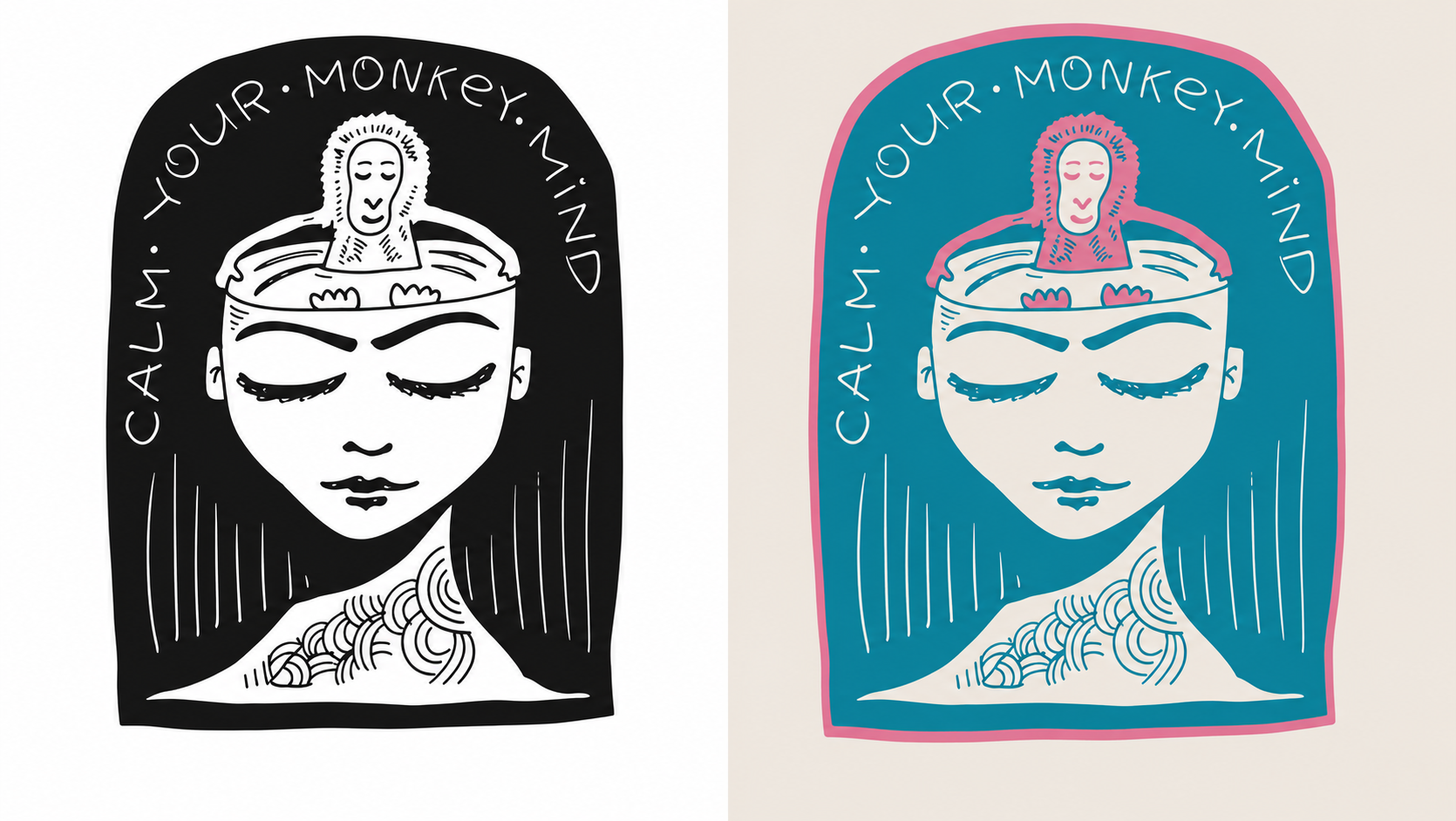
Have you ever noticed how the mind can behave like an energetic monkey, leaping from branch to branch without rest?
One moment we are thinking about breakfast, the next about a doctor’s appointment, then a family concern, an old regret, a news headline, or a conversation from twenty years ago. Before we know it, our thoughts have carried us far away from the present moment.
Psychologists often refer to this as the “monkey mind”—a state of mental restlessness where thoughts constantly jump from one subject to another. While this tendency is part of being human, it can become particularly noticeable in later life, when we may have more time for reflection and fewer daily distractions.
The good news is that science suggests we can train the mind to become calmer, steadier and more focused. In other words, we can gradually move from “monkey mind” to “monk mind”.
Why the Mind Wanders
Research from neuroscience shows that the brain has what is known as the “default mode network”. This network becomes active when we are not focused on a particular task. It is responsible for daydreaming, remembering the past, imagining the future and creating stories about ourselves.
This ability is useful. It helps us learn from experience and plan ahead. However, when left unchecked, it can also fuel worry, rumination and anxiety.
Studies suggest that people spend a significant portion of their waking hours thinking about something other than what they are currently doing. The result is often increased stress and reduced happiness.
The wandering mind is not a personal failing. It is simply how the brain has evolved.
What Is the Monk Mind?
The monk mind does not mean having no thoughts at all.
Rather, it is the ability to observe thoughts without becoming carried away by them. It is a state of awareness where the mind becomes less reactive and more intentional.
Imagine sitting beside a river. The monkey mind jumps into the water and is swept away by every current. The monk mind sits quietly on the bank, watching the water flow past.
The thoughts are still there. The difference is that we no longer chase every one of them.
The Psychology of Presence
One of the most effective ways to calm the monkey mind is through mindfulness.
Mindfulness simply means paying attention to the present moment with curiosity rather than judgement. Decades of psychological research have shown that mindfulness practices can help reduce stress, improve emotional wellbeing and enhance attention.
For seniors, mindfulness offers an additional benefit. It encourages us to savour everyday experiences that may otherwise go unnoticed—a warm cup of tea, birdsong in the garden, a grandchild’s laughter or the comfort of a familiar routine.
These small moments often become the richest parts of life.
Four Gentle Ways to Cultivate a Monk Mind
- Follow Your Breath
When thoughts begin racing, bring your attention to your breathing.
Notice the sensation of the air entering and leaving your body. You do not need to change your breath; simply observe it.
Even one minute of focused breathing can help anchor the mind.
- Practise Single-Tasking
Modern life encourages us to do several things at once. Yet the brain performs best when focused on one activity.
When eating, simply eat.
When walking, simply walk.
When listening to a friend, simply listen.
Single-tasking trains the mind to stay present.
- Limit Mental Clutter
Our minds absorb a constant stream of information from television, news and social media.
Staying informed is important, but endless consumption can keep the monkey mind in a state of agitation.
Consider creating periods of quiet during the day when the mind can rest.
- Cultivate Gratitude
Psychologists have found that regularly noticing positive experiences can improve wellbeing and resilience.
Each evening, reflect on three things that brought you pleasure, comfort or meaning during the day.
They need not be extraordinary.
A good conversation.
A beautiful sunset.
A cat curled up beside you.
The brain gradually learns to pay more attention to what is nourishing rather than what is worrying.
Wisdom Grows with Age
There is a common misconception that ageing is only about physical decline. In reality, many people discover that later life brings greater emotional wisdom.
We begin to understand that not every problem requires solving immediately.
Not every opinion requires a response.
Not every thought deserves our attention.
This shift is at the heart of moving from monkey mind to monk mind.
The goal is not perfection. Even experienced meditators have wandering thoughts. The goal is simply to notice when the mind has wandered and gently return to the present moment.
Again and again.
Find Peace & Joy
The monkey mind wants to be everywhere at once—revisiting yesterday, worrying about tomorrow and analysing everything in between.
The monk mind knows that life is happening only here and now.
As we grow older, perhaps one of the greatest gifts we can give ourselves is not more activity, more possessions or more achievements, but a little more presence.
For it is in the present moment that peace is found, and in peace that we often discover life’s deepest joys.