






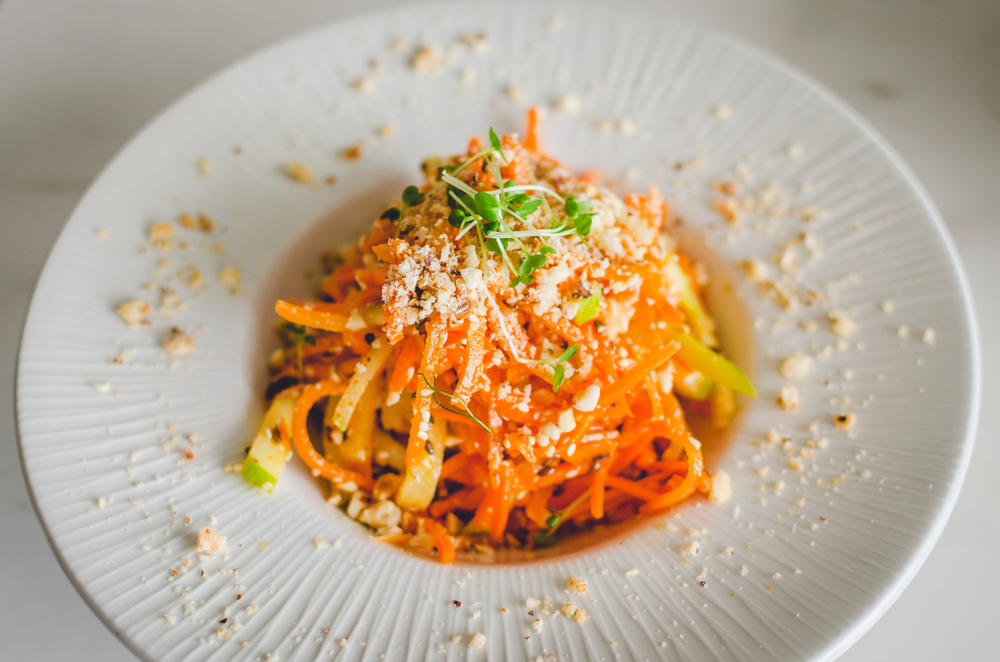
Why this familiar root deserves a regular place on your plate — and why cooked carrots may be more nutritious than you think
There is nothing glamorous about a carrot.
It sits quietly in the vegetable basket, overshadowed by colourful peppers, leafy greens and exotic “superfoods”. Yet this humble orange root contains a remarkable combination of fibre, carotenoids, potassium and other plant compounds — and it may have a particularly useful advantage for older adults.
Carrots don’t necessarily need to be eaten raw to be healthy. In fact, cooking them can make some of their important nutrients more bioavailable.
That is worth remembering the next time someone tells you that vegetables are always better when eaten raw.
The orange colour tells a story
The brilliant orange colour of most carrots comes largely from carotenoids, particularly beta-carotene.
Beta-carotene is a provitamin A carotenoid, meaning that the body can convert some of it into vitamin A. Vitamin A is important for normal vision, immune function and the maintenance of skin and other tissues.
Carrots also contain smaller amounts of other carotenoids, including alpha-carotene and lutein.
But there is an important distinction between how much of a nutrient a food contains and how much of that nutrient our body can actually access.
That is where cooking becomes interesting.
Why cooked carrots can be better absorbed
The plant cells in vegetables have rigid structures that can limit access to compounds inside them.
Heating carrots softens and breaks down some of these cellular structures. This can make carotenoids easier to release from the vegetable matrix.
Research has found that cooking can increase the amount of carotenoids that can potentially be absorbed from carrots.
This doesn’t mean that raw carrots are unhealthy — far from it.
A crisp raw carrot is an excellent snack, providing fibre and nutrients while requiring no preparation. But cooked carrots may provide greater access to some carotenoids, particularly when eaten with a little healthy fat.
This is an important point for older adults. We often become overly focused on whether a food is “raw” or “cooked” when the more useful question is:
How can we prepare this food so that our bodies can make the best use of it?
Don’t throw away the carrot’s fibre
Carrots are also a useful source of dietary fibre.
Fibre contributes to healthy digestion and can help with satiety. Increasing fibre gradually, while drinking enough fluid, can be particularly helpful for people whose diets have become less varied or less plant-rich with age.
And carrots are naturally sweet without being a sugary food.
A whole carrot contains relatively little carbohydrate compared with many refined foods, while providing water, fibre and micronutrients.
For people watching blood glucose, however, portion size and the overall meal still matter. A carrot is not a free pass simply because it is a vegetable.
Raw, steamed, roasted or boiled?
The answer is: vary it.
Raw carrots are wonderful grated into salads, sliced into sticks or added to a vegetable platter.
Lightly steamed carrots become tender while retaining much of their flavour.
Roasted carrots develop a wonderful natural sweetness.
Boiled carrots are perfectly nutritious too, although prolonged cooking in water can cause some water-soluble nutrients to leach into the cooking liquid.
The bigger mistake is not boiling a carrot.
The bigger mistake is eating too few vegetables because we have become obsessed with preparing them “perfectly.”
And don’t forget the fat
Carotenoids are fat-soluble compounds.
That means eating carrots alongside a modest amount of healthy fat — such as extra-virgin olive oil, nuts, seeds or yoghurt — can help the body absorb carotenoids.
You don’t need to drown your vegetables in oil.
A teaspoon or two in a meal is enough to make sense nutritionally while keeping the dish light.
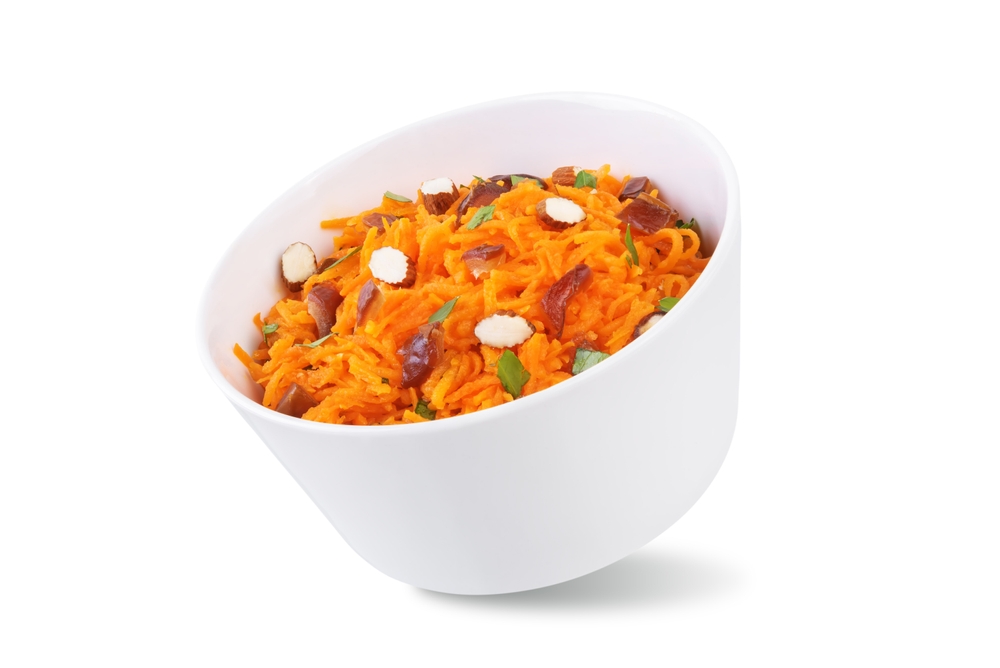
A simple recipe: Warm Carrot & Cumin Salad
This is particularly good for a weekend lunch because it is simple, colourful and can be served warm or at room temperature.
Serves 2
Ingredients
- 3 medium carrots, peeled and sliced diagonally
- 1–2 teaspoons extra-virgin olive oil
- ½ teaspoon cumin seeds
- ¼ teaspoon turmeric
- A squeeze of fresh lemon juice
- 1 tablespoon chopped coriander
- A small handful of toasted pumpkin or sesame seeds
- Salt and freshly ground black pepper, to taste
Method
Steam the carrot slices until just tender — approximately 5–7 minutes.
Heat the olive oil in a pan over low heat and add the cumin seeds. Let them sizzle gently for a few seconds.
Add the steamed carrots and turmeric. Toss gently for a minute or two so that the carrots are coated and warmed through.
Turn off the heat. Add lemon juice, coriander, pepper and a small pinch of salt.
Scatter the seeds over the top.
That’s it.
The carrots remain slightly firm, the cumin adds warmth, lemon cuts through their natural sweetness, and the small amount of oil helps make their carotenoids more available.
Carrots will never be the vegetable that makes the headlines.
Perhaps that’s precisely why we should appreciate them.
They are inexpensive, accessible, versatile and easy to eat. They can be grated, steamed, roasted, blended into soup or simply crunched raw.
And they remind us of something useful about nutrition:
Healthy eating is rarely about finding one miraculous food. It is about repeatedly choosing ordinary foods that quietly do our bodies good.
So don’t dismiss the carrot because it has been sitting in your refrigerator for a week.
Give it a little heat.
Add a little healthy fat.
And let this humble orange vegetable show you just how much it has to offer.