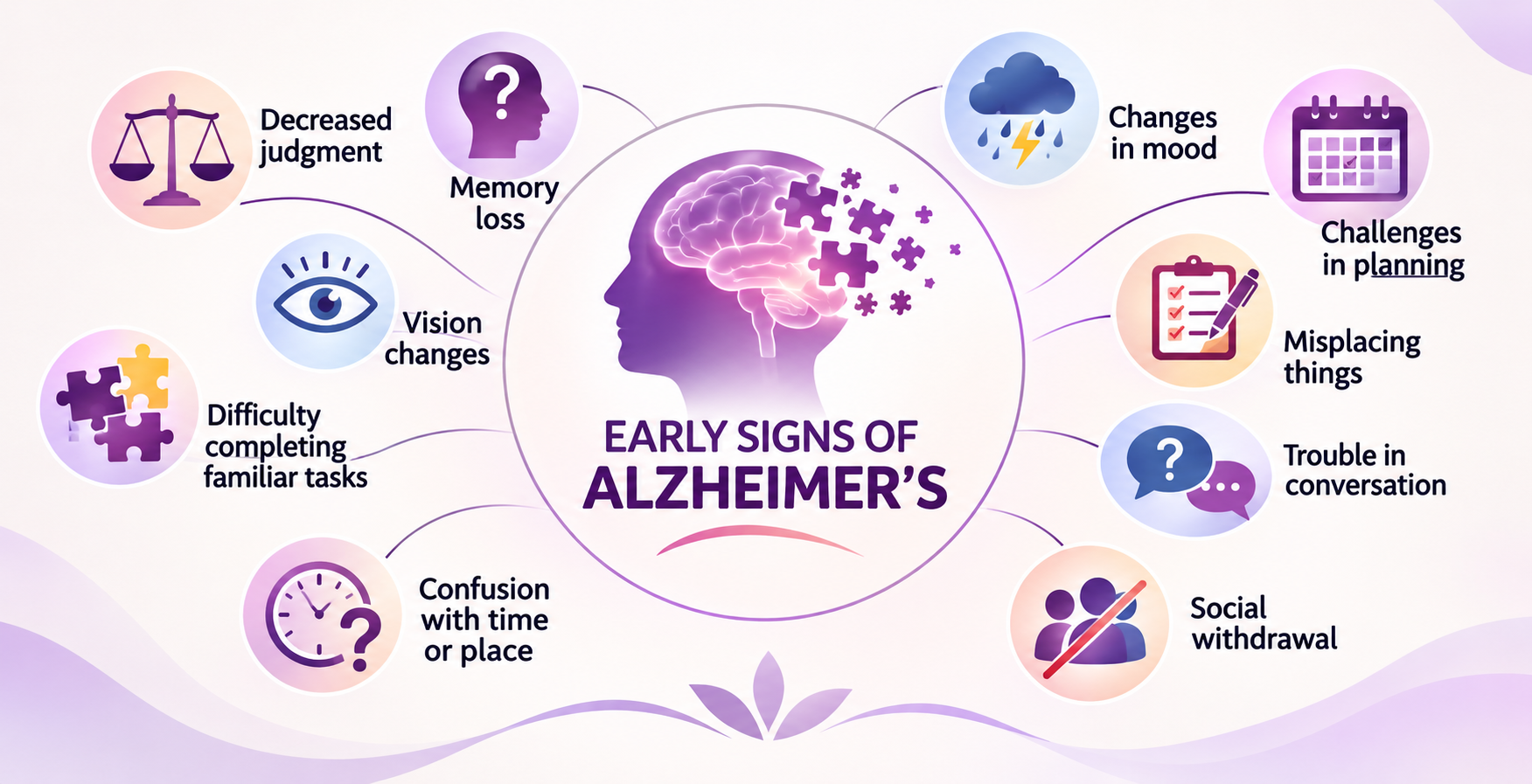







A borderline result on a blood test can make an ordinary lapse feel alarming: Does this mean I have Alzheimer’s? Forgetting a name now and then is common, and no test or scan can answer that question alone. What matters is whether the change becomes persistent or starts to affect daily life, writes Dr Rajiva Gupta.
Someone comes to the clinic with health check-up results. Besides an Alzheimer-related blood test, the report says “borderline.” “Does this mean I have Alzheimer’s?” they ask.
It is an understandable worry. A parent had the disease, and lately a few names have been harder to recall. The word “borderline” can sound like a warning.
But a borderline result is not a diagnosis. Nor is forgetting a name or misplacing your glasses, by itself, proof of Alzheimer’s disease. What matters is the pattern: what has changed, how often it happens and whether it is getting in the way of daily life.
Memory changes are not all the same.
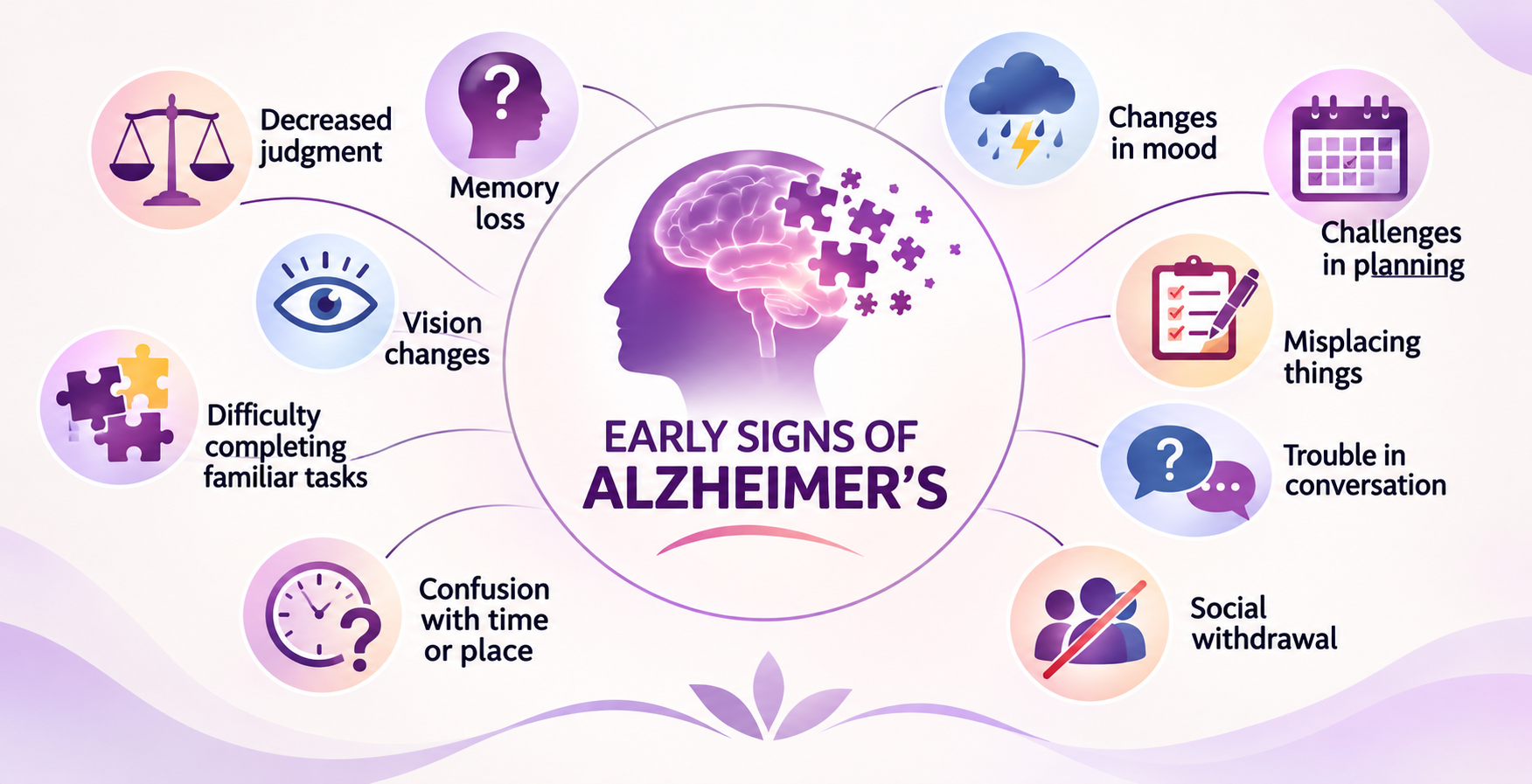
You meet someone at a gathering and later cannot recall their name. You look for your glasses and find them beside the telephone. Perhaps it takes longer than it used to retrieve a word or remember why you entered a room. Occasional lapses like these can happen as we get older. Stress, poor sleep, low mood, illness, hearing problems and some medicines can also affect attention and recall.
Mild cognitive impairment, or MCI, is a more noticeable change in memory or thinking, while the person remains largely independent. MCI is not dementia, and it does not always progress. Some people remain stable, some improve, and some have greater difficulties over time.
Dementia affects a person’s ability to manage everyday life independently. They may repeatedly struggle with familiar tasks, medicines, finances or finding their way around a place they know well. Alzheimer’s disease is the most common cause of dementia, but it is not the only one.
A doctor looks at the whole pattern: what has changed, whether it is getting worse and how it affects daily life. A family member or friend who knows the person well may help describe the changes, if the person is comfortable with that.
Start with the person, not the test.
If memory concerns persist or begin to affect everyday activities, talk with a doctor. They will ask when the changes began, whether they are progressing and which tasks have become difficult. A brief check of memory and thinking may help. They may also review medicines and ask about sleep, mood, hearing, vision and general health.
This kind of conversation can be reassuring and useful. Poor sleep, depression, anxiety, medication effects, hearing loss and some medical conditions can affect concentration or recall. Some causes can be treated or managed. The aim is to work out what might be happening and what could help, rather than rush to a label.
A brain scan may be useful if the history and examination suggest it. MRI or CT can identify a stroke, bleeding or another structural problem and add information to the assessment. But a scan is only one part of the picture. A report may show mild brain-volume loss or small-vessel changes; what they mean depends on the person’s age, symptoms, and the pattern seen. A scan finding alone does not establish dementia.
What can a blood test tell us?
One blood marker getting attention is phosphorylated tau 217, or p-tau217. It can point to biological changes linked to Alzheimer’s disease. Blood tests for these markers may help specialists assess people who already have clear memory or thinking problems. Current guidance addresses their use in that diagnostic setting; it does not recommend them as routine screening for people without cognitive concerns.
Yet these tests are appearing in preventive health packages and are being promoted more widely. People who feel well—or have only occasional lapses—may wonder whether they should be tested. Before agreeing, ask: What will the result tell me? What won’t it tell me? If it is borderline or positive, what happens next?
A positive result may point to Alzheimer-related changes in the body. By itself, it does not diagnose dementia or tell you whether, or when, you will develop it. Consider the result alongside symptoms, medical history, and a clinical assessment.
A 2026 JAMA study followed 2,684 older adults with no cognitive impairment at the start. Higher p-tau217 levels were linked to a greater chance of later cognitive impairment. Among those with very high levels, the estimated risk was 38% over five years. The participants came from selected research cohorts, so that figure cannot tell an individual reader what will happen to them. The outcome was cognitive impairment, not necessarily dementia.
For someone already worried about memory, an unexplained result can add uncertainty rather than answer a question. A test is most useful when it addresses a clear question and includes a plan for what to do with the result. Knowing that a biological change may be present is not the same as knowing what will happen to one person.
Positive steps for brain and general health
People can take useful steps without first knowing a biomarker result. The 2024 Lancet Commission estimated that addressing 14 modifiable risk factors could prevent or delay up to 45% of dementia cases worldwide. These include physical inactivity, high blood pressure, hearing and vision loss, depression and social isolation.
Regular physical activity, good control of blood pressure, cholesterol and diabetes, adequate sleep, attention to hearing and vision, and staying socially connected all support health as we age. A balanced, nutritious diet and avoiding smoking help too. None of these steps can guarantee dementia prevention, but they support brain health, heart health, and quality of life.
Some medicines can help manage symptoms. Newer treatments that target amyloid may be considered for selected people with early Alzheimer’s, but they are not suitable for everyone and need careful assessment and monitoring. A blood-test result alone is not a reason to start a dementia medicine.
A reason to ask, not a reason to panic
Forgetting a name now and then usually isn’t a reason to panic. Notice whether it is an occasional lapse or part of a persistent change that is getting worse. If memory problems trouble you or affect daily life, bring them up with your doctor. Writing down a few examples beforehand—and bringing someone who knows you well, if you wish—can make the conversation more useful.
A sudden change in confusion or alertness is different and needs prompt medical attention.
A careful assessment can help explain what may be happening, whether further tests would answer a useful question and what could be improved. The aim is to understand your concern and decide together what to do next.