







A simple, effective approach is to build meals around three components: protein, fibre, and healthy fats, writes Charvi Altamirano
When we think about heart health, most of us immediately think of restriction – less fat, less salt, fewer fried foods.
So naturally, many people begin to “eat lighter,” especially as they get older. Breakfast becomes toast and tea, lunch is something small or delayed, and dinner becomes the main meal of the day. It feels sensible. Easier to digest. “Safer” for the heart.
And yet, over time, many people notice the opposite of what they expected. Energy levels drop. Muscle strength reduces. Weight slowly increases, especially around the abdomen. Cholesterol numbers don’t improve in the way they hoped.
This is where the conversation needs to shift.
Because heart health is not built by simply removing foods. It is built by how your body responds to your meals – day after day.
As we age, the body becomes naturally more sensitive to blood sugar fluctuations. Muscle mass tends to decline, metabolism slows, and the body becomes less efficient at handling large spikes in glucose. This makes meal composition and timing far more important than before.
Meals that are mostly refined carbohydrates, or long gaps between meals, can cause blood sugar to rise quickly and then fall just as fast. Over time, this repeated pattern increases the likelihood of insulin resistance – a condition strongly linked to heart disease, as shown in large studies published in journals such as The Lancet and the Journal of the American College of Cardiology.
This often shows up as higher triglycerides, lower HDL (the “good” cholesterol), increased abdominal fat, visceral fat, and low-grade inflammation – all of which are key drivers of cardiovascular risk.
So instead of focusing only on what to avoid, it becomes far more useful to focus on what to include – consistently. A simple, effective approach is to build meals around three components: protein, fibre, and healthy fats.
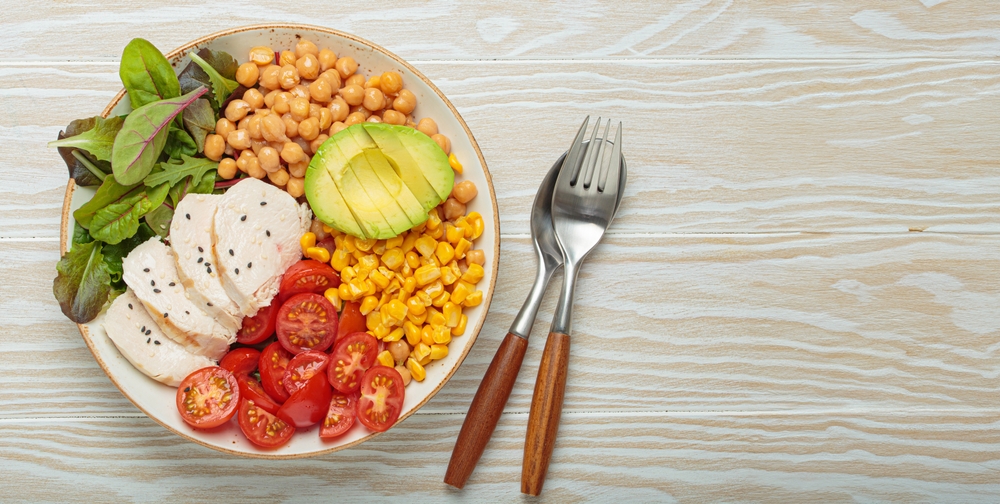
Including adequate protein – such as eggs, dals, low-fat paneer, tofu, edamame, curd, fish, or chicken – becomes especially important with age, as it helps preserve muscle mass and supports metabolic health. Fibre from vegetables and whole foods supports digestion and cholesterol balance. Healthy fats from nuts, seeds, and traditional heart healthy oils help with satiety and nutrient absorption.
Together, this combination helps slow the rise of blood sugar, reduces unnecessary insulin spikes, and supports more stable energy and heart health over time.
The shift here is not about perfection, but about consistency.
Moving from irregular eating to structured meals, from “light” but unbalanced plates to more complete ones, and from long gaps to steadier timing can make a meaningful difference.
Even starting with one balanced meal a day is enough to begin.
Because ultimately, the heart does not respond to occasional effort – it responds to patterns. And when those patterns become more stable, your heart is supported in a way that is both practical and sustainable.