







As Indians stand on the cusp of social and economic progress, the future of romance will be a blend of tradition and modernity, writes Vandana Kanoria
Then it was ‘Tere Ghar Ke Samne’, today it is ‘Wake Up Sid’. Then it was, ‘Speak softly love’ today it is, ‘You’re my favourite notification’. Then it was ‘Phool tumhe bheja hai khat mein’, today it is the age of swipes, matches, and instant messages. Romance has evolved from handwritten letters to algorithm-powered courtship. Today’s couples are brought together not just by serendipity but often by sophisticated matchmaking algorithms, love quote generators, and AI-powered messages. While algorithms facilitate connections, the emotional depth is forged in human experience—shared moments, meaningful conversations and memories of moments of togetherness.
Love has been an ever-prominent theme and a living reality in the vast corpus of Indian art. The legendary tales of Anarkali, Heer Ranjha, Laila Majnu, Radha Krishna live on eternally in our collective psyche. Yet, Indian society has never been too verbal on matters of everyday love. Families do not sit around at dinner dissecting crushes and children do not let the trials and tribulations of their romantic love pour out in front of parents. Public displays of affection are still frowned upon.
Romance in the sixties and seventies was defined by societal pressure for marriage, and well-defined gender roles. Romance unfolded through shared silences, slow walks, and the electricity of a glance across the room. It was more about feeling than flaunting, more soul than spectacle. You never met alone except in secret – always chaperoned by well-meaning cousins and friends who if bribed, would leave you two alone for few minutes; you met in college, at a friend’s wedding, in libraries, always away from the prying eyes of neighbourhood gossiping aunties. Courtship often led to marriage, with family looking on, beaming in approval.
Then love was written by hand and sealed with a kiss. Long-distance relationships were dominated by longing and waiting: waiting for letters, longing for that rare phone call, waiting to catch a glimpse across a crowded room.
Before text messages and dating apps, people wrote letters – a slower way of staying in touch. The letters were moments captured in cursive – paper sprayed with perfume, often containing a pressed flower redolent with memories. These were slipped into coat pockets, left quietly in the pages of a book….
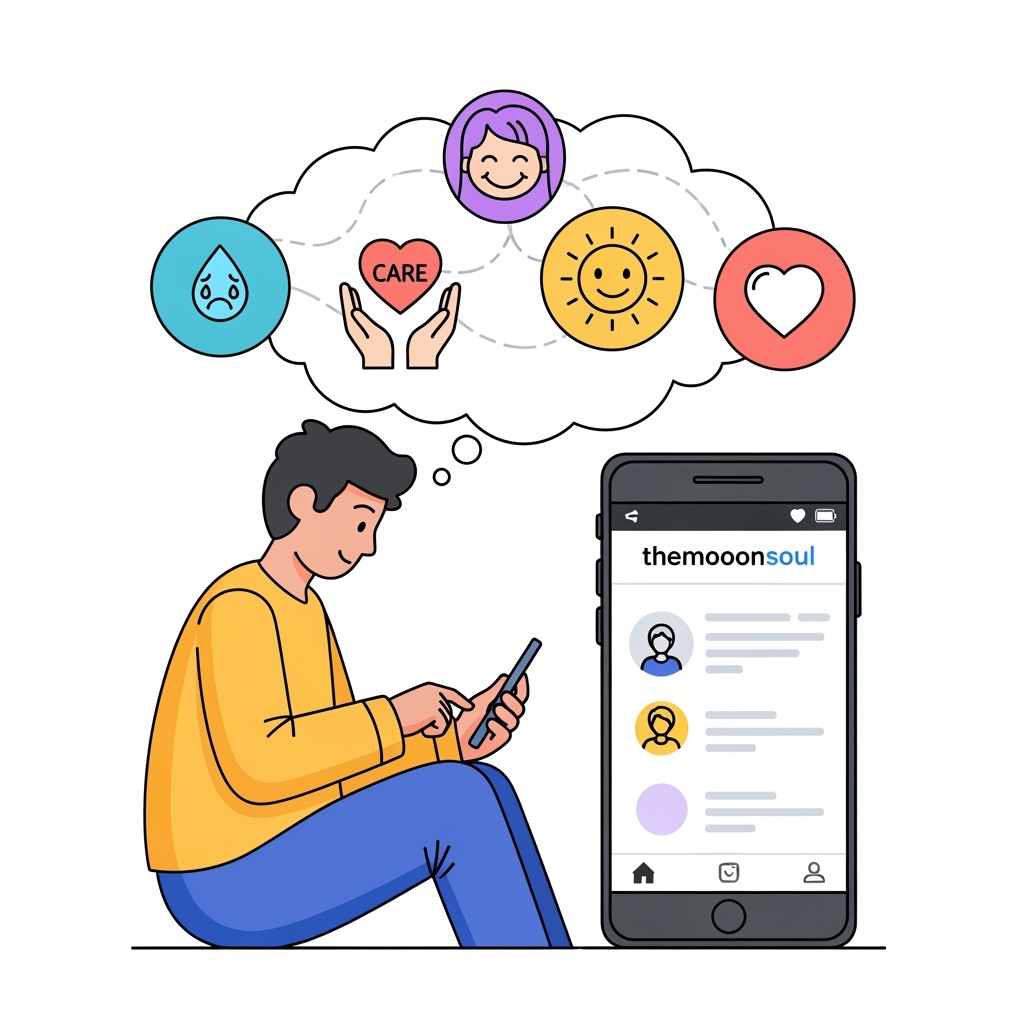
Today, love travels through screens – quick, borderless, effortless.
Connections are easy; a swipe replaces a glance, AI writes poetry, and distance is bridged by texts, video calls, and shared links. These digital interactions are the modern equivalents of love letters.
Yet, technology is a double-edged gift. With connection comes comparison, doubt, and the illusion of endless choice. We scroll through other people’s lives, wondering if something better waits in the next post. We scroll, and text between tasks. A romantic dinner date is disturbed by the ping of a WhatsApp message, silence broken by a flurry of Twitter notifications. Conversations shrivel and die under these interruptions. These distractions chip away at emotional intimacy. Digital interactions replace real conversations. Somewhere between instant replies and curated posts, the hook-up culture has soared because it offers the illusion of unlimited choice and non-committal love with an easy option of an out.
Do movies shape society, or does society shape movies? Perhaps they mirror each other, constantly crossing paths. Nowhere is this more visible than in Bollywood’s portrayal of love and romance—and how deeply it seeps into our imagination.
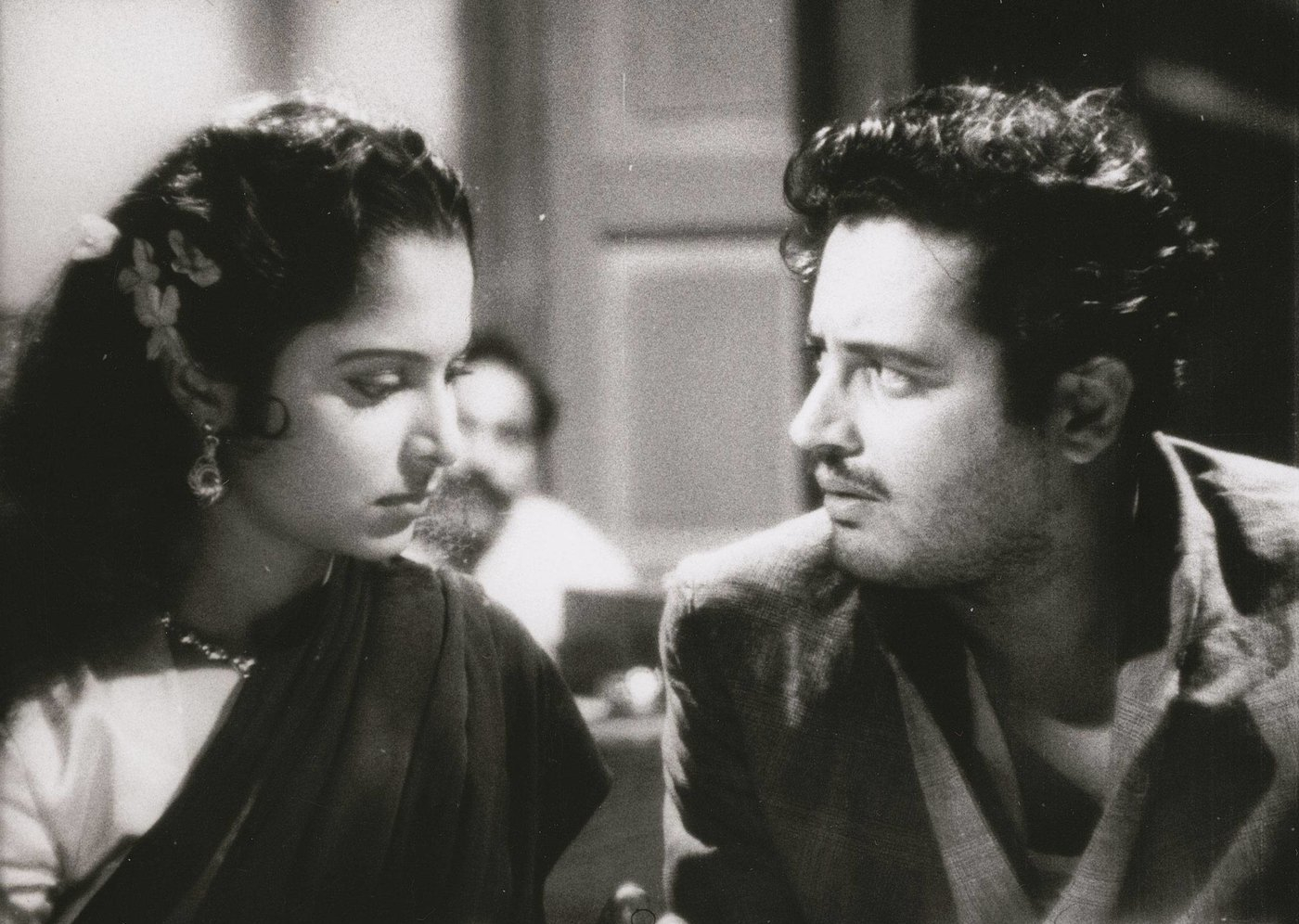
From the 1950s to the 70s, romance on screen was shy, poetic, and restrained. Kisses were taboo, embraces rare. In epoch defining films like Shree 420, Raj Kapoor and Nargis standing under an umbrella in the rain is an iconic image of wordless love; in Pyaasa, Guru Dutt’s silent longing for Waheeda Rehman, where his eyes spoke volumes remains a defining moment in Indian cinema. Women were demure, desire was wordless and love hid behind metaphors: two flowers meeting, a song half-finished. Society mirrored this reserve—affection was private, never performed.
As Indian cinema transitioned from black and white to colour, the stories changed. A path breaking film like Bobby broke rules of class and decorum and love began to rebel. Over time, resistance shifted—from strict parents and social hierarchies to more personal concerns. By the 2000s, romance had found its voice. In Jab We Met, love is loud, opinionated, and self-aware. Geet doesn’t wait for glances; she talks, argues, overshares. Romance becomes as much about finding oneself as finding another. In Yeh Jawaani Hai Deewani, love competes with ambition, travel, and dreams. “The question is no longer can we love, but can love coexist with freedom?”
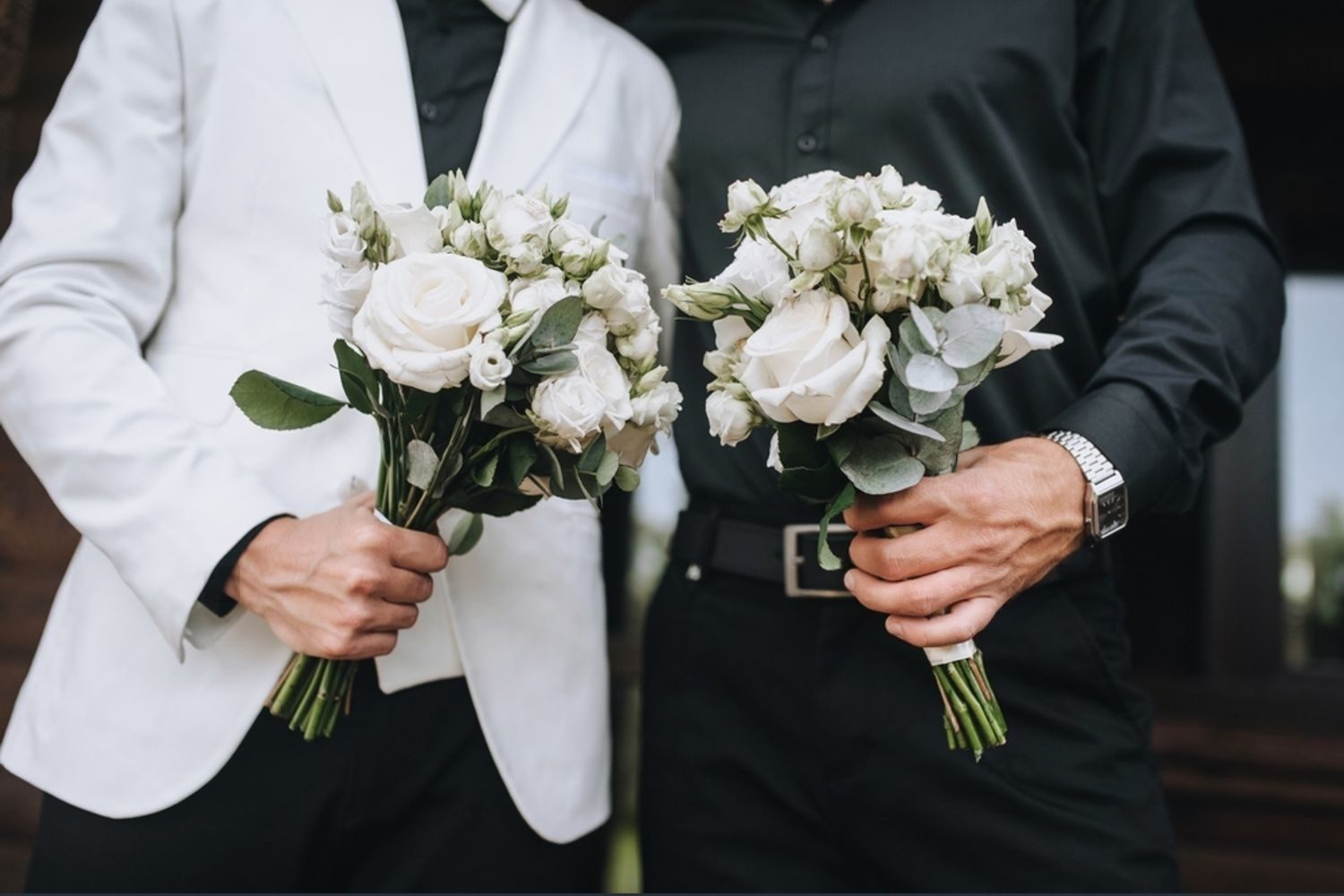
As cinema evolved, so did society. Couples became less afraid of crossing lines of class, caste, and convention. Films following social cues openly acknowledge LGBTQ+ relationships and the messy anxieties of modern dating. Casual dating, live-in relationships, and premarital intimacy—once unspoken are now accepted and visible. Exposure to the world has reshaped expectations. Young people date more, choose later, and define love on their own terms. Economic independence has reshaped romance. Especially for women. Earnings bring choice – of time, of partner, of life – and unfolds alongside ambition, travel, and selfhood. Still, tradition lingers, creating a tension between family and freedom.
Once, love meant forever. Now, love wanders in the wilderness of the world wide web – experienced, questioned, sometimes left behind. We are moving from the idea of eternal love to the reality of eternal dating. As we navigate this ever-changing landscape of technology-driven romance, it is essential to ponder the implications of Artificial Intelligence on human connection. Some may embrace these technological advances as enriching aspects of modern life; others are concerned about the impact on the authenticity and depth of human connections, as technology continues to blur the lines between what is real and what is artificially generated.
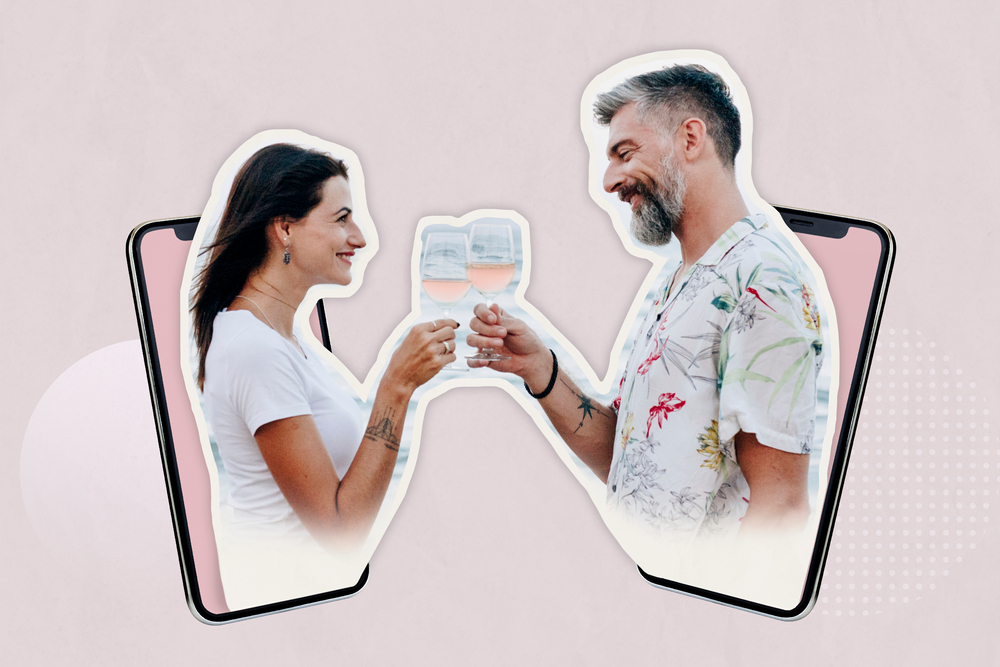
As Artificial Intelligence and Virtual Reality advance relentlessly and entrench themselves deeper into our lives, social algorithms will write our love stories. And anything is possible – from virtual dates to Artificial Intelligence companions who are avatars and bots. Already there are people falling in love with chatbots who listen patiently, never argue and reply promptly!
As Indians stand on the cusp of social and economic progress, the future of romance will be a blend of tradition and modernity. Arranged marriages will endure, reshaping themselves with time and expectations, while dating will take centre stage especially in the metros. Family and social media, tradition and technology will have to walk in ‘sync’. Ultimately, the future of love will lie at the intersection of algorithms, hashtags and the human need for meaning, depth and presence.