







True love is a deep, unconditional bond built on mutual respect, trust, and commitment, going beyond initial feelings to involve selfless support, acceptance of flaws, and consistent effort to help each other grow, writes Dr Monika M Dass
We spend our lives craving it, searching for it, and talking about it. Its meaning is felt more than it is clearly expressed. It’s called the greatest virtue.
It is love.
Love is fascinating and complex. Romantic love, in particular, seems to be a beautiful mystery we find hard to explain.
Although poets and songwriters can put many of our romantic thoughts and feelings into words, love is so inexplicable we need the help of science to explain it. After all, psychologists have a lot to say about how and why people fall in love.
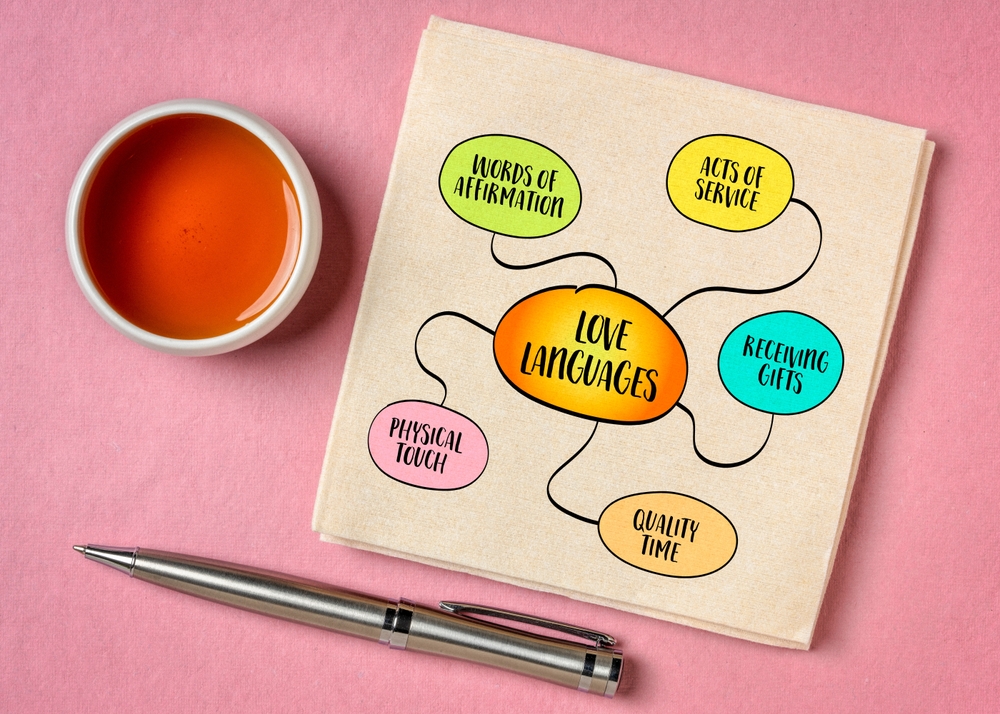
Five key signs of love often point to mutual respect, deep connection, shared experiences, prioritizing each other’s needs (like through acts of service or quality time), and feeling secure while still having that spark, with some theories focusing on specific “love languages” like Words of Affirmation, Acts of Service, Receiving Gifts, Quality Time, and Physical Touch. True love involves genuine care, acceptance, and working through challenges together, showing through both grand gestures and everyday actions.
Signs of Love in a Relationship:
- Acts of Service and Quality Time:
Doing things to help your partner (actions speak louder than words) and giving them your undivided attention, even when life is busy, shows deep care and connection.
2. Words of Affirmation:
Expressing affection through verbal compliments, appreciation, and encouragement, along with just talking about them often.
3. Physical Touch:
Non-sexual physical affection like hugging, holding hands, and other intimate touches that build closeness.
4. Fondness and Admiration (Empathy):
Respecting each other’s individuality, opinions, and feeling happy when they succeed, showing you genuinely care for them as a person.
5. Feeling Safe and Valued (Trust and Support):
A strong sense of security, trust, honesty, and unconditional support where you feel you can be yourselves and grow together, even with differences.
These signs are not just about constant togetherness but also about respecting boundaries and supporting each other through distance and challenges, forming a lasting bond.
The 5-5-5 Rule in Relationships:
The 5-5-5 rule in relationships offers different strategies, most commonly a communication technique where partners take turns speaking and listening for 5 minutes each to resolve conflict, followed by 5 minutes of collaborative problem-solving, fostering empathy and reducing escalation. Another version is a mindfulness check: asking if a problem matters in 5 minutes, 5 days, or 5 years to gain perspective. It is a tool to build connection and handle disagreements constructively, but not for serious issues like abuse.
In psychology, “true love” is generally defined as a mature, enduring connection that integrates emotional, cognitive, and physical dimensions. Unlike the intense but often fleeting state of infatuation, psychologists view true love as a deliberate choice and a long-term commitment built on mutual effort and psychological security.
Key Characteristics of True Love
According to experts from the American Psychological Association and other research institutions, true love manifests through specific markers:
- Authentic Self-Disclosure: Both partners feel safe sharing their deepest fears, weaknesses, and secrets without fear of judgment.
- Unconditional Support: A willingness to support the partner’s personal growth and “shadows” (hidden insecurities), as emphasized by Carl Jung.
- Mutual Respect and Equality: Partners view each other as equals, respecting personal boundaries and autonomy while working as a team.
- Realistic Acceptance: Unlike infatuation, which idealizes a person, true love involves seeing the partner’s faults clearly and accepting them anyway.
- Sustainable Effort: It is viewed as an “act of will” or a verb—something that must be nurtured through consistent actions like active listening and conflict resolution.

True Love vs. Infatuation
| Feature | Infatuation | True Love |
| Foundation | Physical attraction & idealization | Mutual respect & shared values |
| Duration | Intense but short-lived | Grows and stabilizes over time |
| Focus | Self-focused (how they make you feel) | Other-focused (well-being of partner) |
| Emotional State | Roller coaster of highs and lows | Sense of calm, safety, and home |
True love is a deep, unconditional bond built on mutual respect, trust, and commitment, going beyond initial feelings to involve selfless support, acceptance of flaws, and consistent effort to help each other grow, through hardships also, creating a peaceful, strong partnership. It is a choice to cherish someone consistently, valuing their well-being and finding happiness in their presence, not just in good times, but always.