






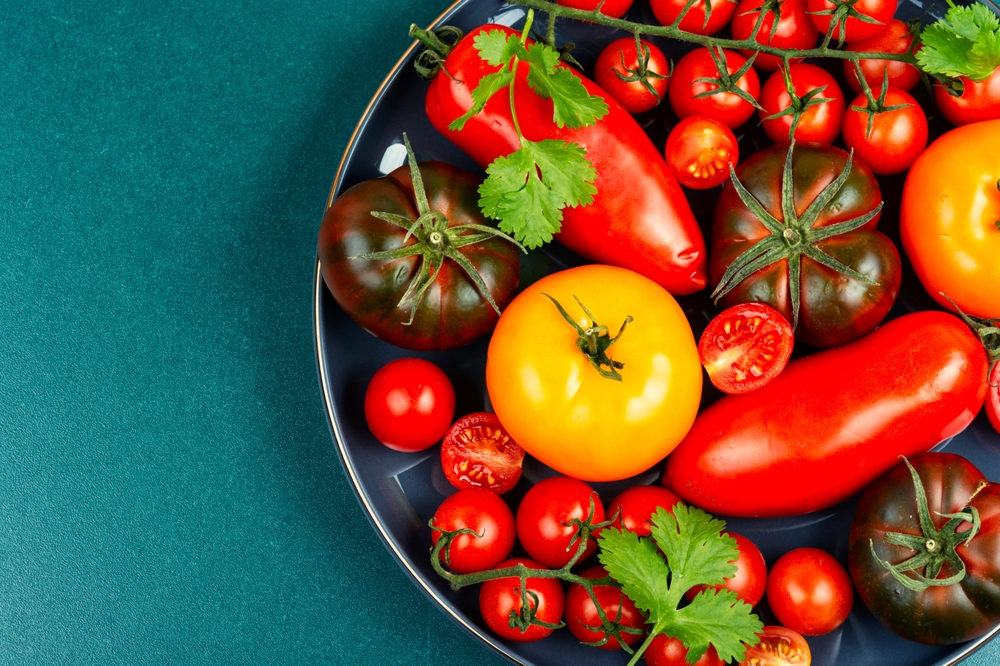
Tomatoes are exceptionally nutritious for most people, but there are a few situations where they deserve a little caution
Few foods are as familiar as the humble tomato. Whether it is the base of a comforting curry, stirred into a bowl of rasam, sliced into a salad or blended into soup, tomatoes are woven into everyday meals across India. Their bright colour, refreshing taste and versatility have earned them a permanent place in kitchens around the world.
Yet tomatoes are also one of the most misunderstood foods. You may have heard that they worsen arthritis, cause inflammation, increase kidney stones or should be avoided after a certain age. On the other hand, they are often praised as a “superfood” that protects the heart and even helps prevent cancer.
So, what does the science actually say?
The answer lies somewhere in the middle. Tomatoes are exceptionally nutritious for most people, but there are a few situations where they deserve a little caution.
A Fruit Disguised as a Vegetable
Although we think of tomatoes as vegetables, they are botanically classified as fruits because they develop from the flower of the tomato plant and contain seeds. Native to western South America, tomatoes were introduced to Europe in the 16th century, where they were initially viewed with suspicion and even believed to be poisonous. Today, they are among the most widely consumed foods on the planet, with India ranking among the world’s largest producers.
Small Fruit, Big Nutrition
A medium-sized tomato contains surprisingly few calories—around 20 to 25—but delivers an impressive range of nutrients.
Tomatoes provide:
- Vitamin C, which supports immunity and collagen production.
- Potassium, important for healthy blood pressure and muscle function.
- Folate, essential for healthy cells.
- Vitamin K, which contributes to bone health and normal blood clotting.
- Fibre to support digestive health.
- Beta-carotene, which the body converts into vitamin A.
- Lycopene, one of nature’s most powerful antioxidants.
They are also around 95% water, making them a hydrating addition to your meals.
Lycopene – The Star of the Show
If tomatoes have a claim to fame, it is because of lycopene.
Lycopene is the pigment responsible for the tomato’s rich red colour. More importantly, it is a potent antioxidant that helps neutralise unstable molecules known as free radicals. Over time, these free radicals contribute to oxidative stress, a process associated with ageing and many chronic diseases.
Research suggests that diets rich in lycopene are associated with a lower risk of cardiovascular disease and may help reduce the risk of certain cancers, particularly prostate cancer. Scientists are also exploring its role in protecting the brain, eyes and skin as we age.
While no single food can prevent disease, tomatoes are one of the easiest ways to include more protective plant compounds in your diet.
One Surprise: Cooked Tomatoes Can Be Better Than Raw
You might assume that raw vegetables are always the healthiest option. Tomatoes are one of the exceptions.
Raw tomatoes contain more vitamin C, which is sensitive to heat. However, cooking breaks down the tomato’s cell walls, making lycopene much easier for your body to absorb.
Even better, lycopene is fat-soluble. Cooking tomatoes with a small amount of healthy fat—such as olive oil, mustard oil or groundnut oil—can significantly improve its absorption.
That means tomato soup, tomato curry, homemade pasta sauce or a simple tomato bhaji may deliver more usable lycopene than a raw salad.
Rather than choosing one over the other, enjoy both raw and cooked tomatoes regularly.
Why Tomatoes Are Especially Helpful as You Age
As you grow older, protecting your heart, brain, bones and immune system becomes increasingly important.
Tomatoes may contribute to healthy ageing by:
- Supporting heart health through potassium and antioxidant compounds.
- Helping maintain healthy blood pressure.
- Reducing oxidative stress linked with ageing.
- Supporting collagen production for healthy skin through vitamin C.
- Providing nutrients that contribute to healthy vision.
- Supplying antioxidants that may help protect the skin from sun-induced damage.
- Adding fibre that supports digestive health and a healthy gut microbiome.
Because they are naturally low in calories yet satisfying, tomatoes also fit well into diets aimed at maintaining a healthy weight.
Fresh, Cooked or Tinned?
Many people assume fresh tomatoes are always superior.
In reality, fresh, frozen and canned tomatoes can all be nutritious choices.
Tinned tomatoes are usually picked and processed when fully ripe, helping preserve much of their nutritional value. The cooking process can even increase the availability of lycopene.
The main thing to watch for is added salt or sugar. Choose products with simple ingredient lists whenever possible.
Do Different Colours Offer Different Benefits?
Most tomatoes are red, but yellow, orange, green, purple and almost black varieties also exist.
Each colour reflects a slightly different mix of plant compounds. Red tomatoes are generally richest in lycopene, while orange varieties often contain more beta-carotene. Purple tomatoes contain anthocyanins—the same antioxidant pigments found in blueberries.
Eating a variety of colourful fruits and vegetables remains the healthiest approach.
Clearing Up Some Common Myths
“Tomatoes cause inflammation.”
Current scientific evidence does not support this belief for the general population. In fact, tomatoes contain several anti-inflammatory plant compounds.
“Tomatoes make arthritis worse.”
Because tomatoes belong to the nightshade family, they are sometimes blamed for joint pain. However, research has not shown that avoiding tomatoes improves arthritis symptoms for most people.
If you personally notice a consistent reaction after eating tomatoes, discuss it with your healthcare professional rather than eliminating them based on myths alone.
“Tomatoes cause kidney stones.”
This belief has persisted for decades. Tomatoes contain only modest amounts of oxalates, and for most people they are not a significant contributor to kidney stone formation. Staying well hydrated and following an overall balanced diet has a far greater impact on kidney stone prevention.
When Tomatoes May Not Be Your Friend
Although tomatoes are healthy for most people, there are situations where moderation makes sense.
Acid reflux (GERD)
Tomatoes are naturally acidic. If you suffer from frequent heartburn or acid reflux, tomato-rich foods may aggravate your symptoms. You do not necessarily need to eliminate them completely, but reducing portions or avoiding them close to bedtime may help.
Advanced kidney disease
Tomatoes are a good source of potassium. Healthy kidneys regulate potassium efficiently, but if you have advanced kidney disease, your doctor or dietitian may recommend limiting high-potassium foods, including tomatoes.
Tomato allergy
Although uncommon, tomato allergies do occur. Some people experience itching of the mouth, swelling or skin reactions after eating raw tomatoes. Seek medical advice if these symptoms occur.
Irritable bowel syndrome (IBS)
Some people with IBS find that tomato-based sauces—especially spicy or highly seasoned ones—can trigger digestive discomfort. This often depends on the individual rather than the tomato itself.
Should You Remove the Seeds?
Another long-standing myth is that tomato seeds are harmful.
For most people, there is no reason to remove them. The seeds contribute fibre and beneficial nutrients. Unless your doctor has advised otherwise because of a specific digestive condition, you can enjoy the whole tomato.
Delicious Ways to Enjoy Tomatoes
Tomatoes fit effortlessly into Indian and international cuisines.
Try them in:
- Fresh salads with cucumber, onions and herbs.
- Homemade tomato soup.
- Tomato rasam.
- Tomato chutney.
- Vegetable curries.
- Wholemeal sandwiches.
- Roasted tomatoes drizzled with olive oil.
- Wholegrain pasta sauces.
- Salsa with beans or grilled vegetables.
Pairing tomatoes with healthy fats such as olive oil, nuts or seeds helps your body absorb more lycopene.
How Many Should You Eat?
There is no official recommendation for tomatoes specifically.
For most healthy adults, one medium tomato or a handful of cherry tomatoes daily is perfectly reasonable as part of the recommended intake of fruits and vegetables. Variety is still important, so think of tomatoes as one colourful piece of a diverse diet rather than the only vegetable on your plate.
When to Avoid Them
Tomatoes have earned their reputation as one of nature’s healthiest foods. Rich in antioxidants, vitamins and protective plant compounds, they support heart health, healthy ageing and overall wellbeing. They are affordable, widely available and easy to include in everyday meals.
At the same time, they are not ideal for everyone. If you have severe acid reflux, advanced kidney disease or a confirmed tomato allergy, you may need to limit or modify your intake under medical guidance.
For everyone else, there is little reason to fear this vibrant red fruit. Whether enjoyed fresh in a salad, simmered into a comforting soup or cooked into your favourite curry, tomatoes remain one of the simplest—and tastiest—ways to nourish your body every day.