






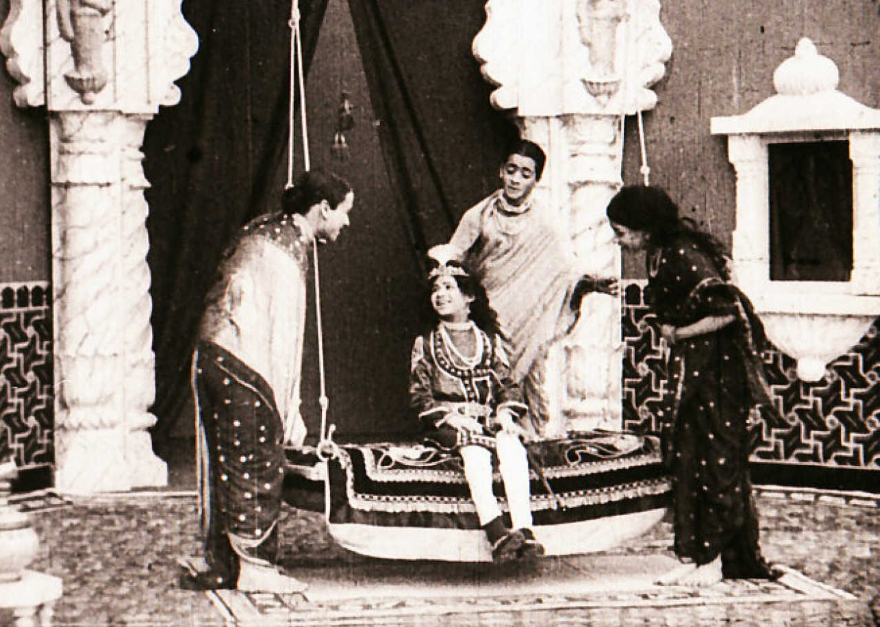
From Dadasaheb Phalke’s silent-era Lanka Dahan to modern-day retellings, Deepa Gahlot looks at 10 films inspired by the timeless epic.
One of the biggest releases of 2026 is Ramayana Part 1, directed by Nitesh Tiwari, starring Ranbir Kapoor as Lord Ram, Sai Pallavi as Sita, Yash as Raavan and Sunny Deol as Hanuman. The film with its huge budget and glitzy effects is one in a long line of films based on the epic, including modern-day retellings and animation projects. Not to mention Ramanand Sagar’s TV epic Ramayan, which once ruled Doordarshan and opened the doors for mythologicals that are still a staple on television, with Hanuman as a popular spin-off from the main story.
In 1917, Dadasaheb Phalke made the silent film Lanka Dahan, which was his second film after the history-making Raja Harishchandra (1913), the first Indian full-length feature. The film, about Lord Hanuman’s destruction of Lanka, was full of trick photography and special effects back in the day, when it was cumbersome and difficult to shoot these. It is said audiences used to take off their footwear before entering the theatre. The film was a hit and stories from the epics, mythology and folklore were popular subjects for early cinema. Over time, they fell out of favour with the audience, only to reappear in recent times.
Some films, like Hum Saath Saath Hain (1999), Raavan (2010), Ram Setu (2022), Singham Again (2024) were inspired by the story.
A look at 10 of the many films based on the Ramayan:
Bharat Milap (1942):
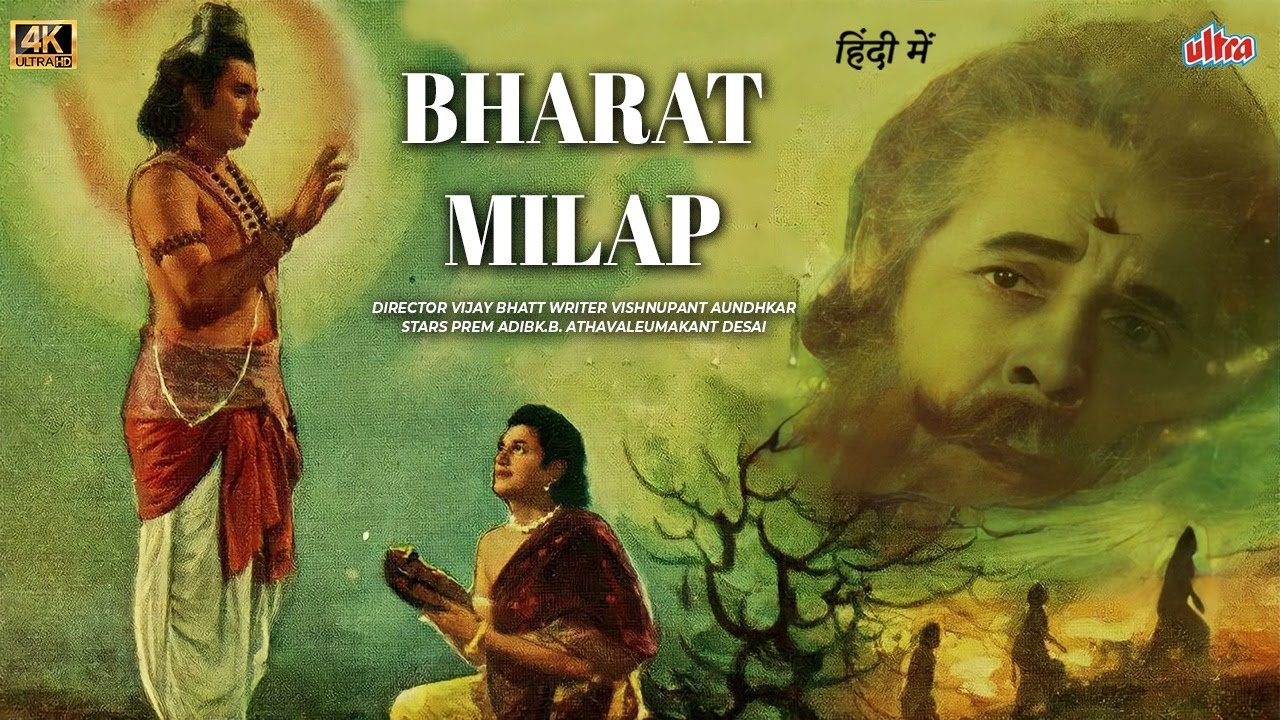
Directed by Vijay Bhatt, starring Prem Adib and Ram and Shahu Modak as Bharat, it told the famous story of brotherly loyalty and devotion. When Ram was sent into exile on the insistence of Kaikeyi (Durga Khote), so that her son could succeed King Dashratha, Bharat refused, and requested Ram to return to Ayodhya and take over as King. When Ram decided to fulfill the promise to his father and complete the 14-year exile, Bharat took his sandals, placed them on the throne, and ruled on behalf of Ram till he returned. The film was remade twice in 1965, one by Babubhai Mistry with Sohrab Modi, Sulochana and Ashish Kumar in the cast, and the other by Manibhai Vyas as Ram-Bharat Milan, with Prithiraj Kapoor, Mahipal and Anita Guha.
Ram Rajya (1943):
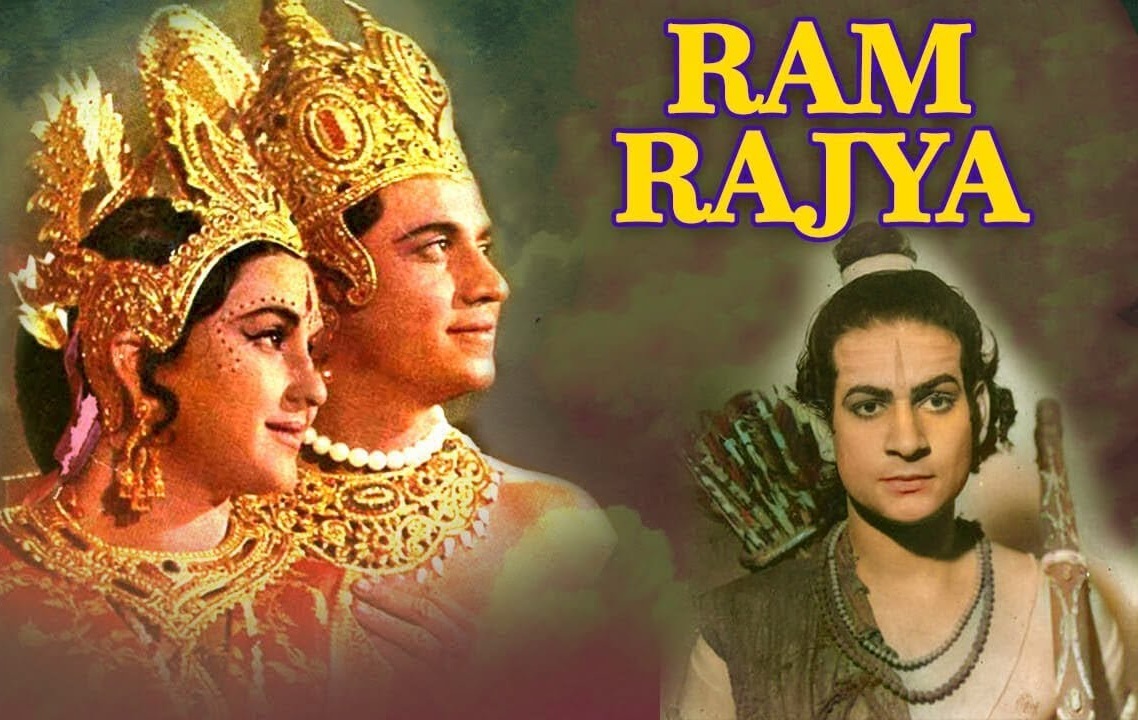
Directed by Vijay Bhatt, with Prem Adib and Shobhana Samarth as Ram and Sita, it was one of the biggest hits of the year. It is believed this was the only film Mahatma Gandhi saw, and it was the first film to be premiered in the US. The plot follows the end of Ram’s exile, when he rescues Sita and returns home to Ayodhya, only to be forced to expel her from the kingdom, when questioned about her honour by a washerman. It focused on later events of the Ramayan (Uttara Kanda)—including Sita’s exile, her life in Maharishi Valmiki’s ashram, and the upbringing of Luv and Kush. The film was remade in colour by Bhatt with Bina Rai and Kumar Sen in the lead.
Shri Ram Bhakta Hanuman (1948):
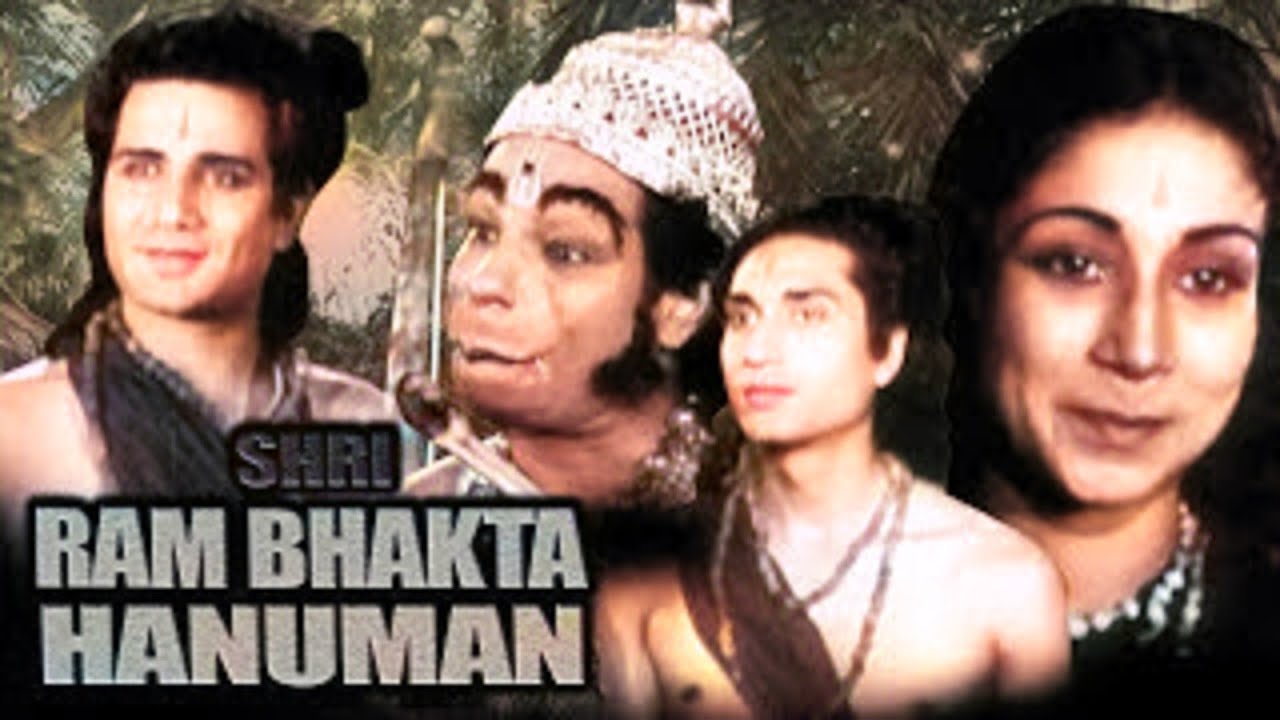
Produced and directed by Homi Wadia, with Trilok Kapoor as Ram, Sona Chatterjee as Sita, SN Tripathi as Hanuman and Niranjan Sharma as Raavan, the film narrated an episode from Valmiki Ramayan, when Sita was abducted by Raavan, and Hanuman offered his support in the battle to rescue her. It was remade by Babubhai Mistry in 1957 as Pawan Putra Hanuman starring Mahipal, SN Tripathi, BM Vyas and Anita Guha, and in 1969 by Shantilal Soni, with Abhi Bhattacharya, Raaj Kumar, BM Vyas and Jaymala.
Rambaan (1948):
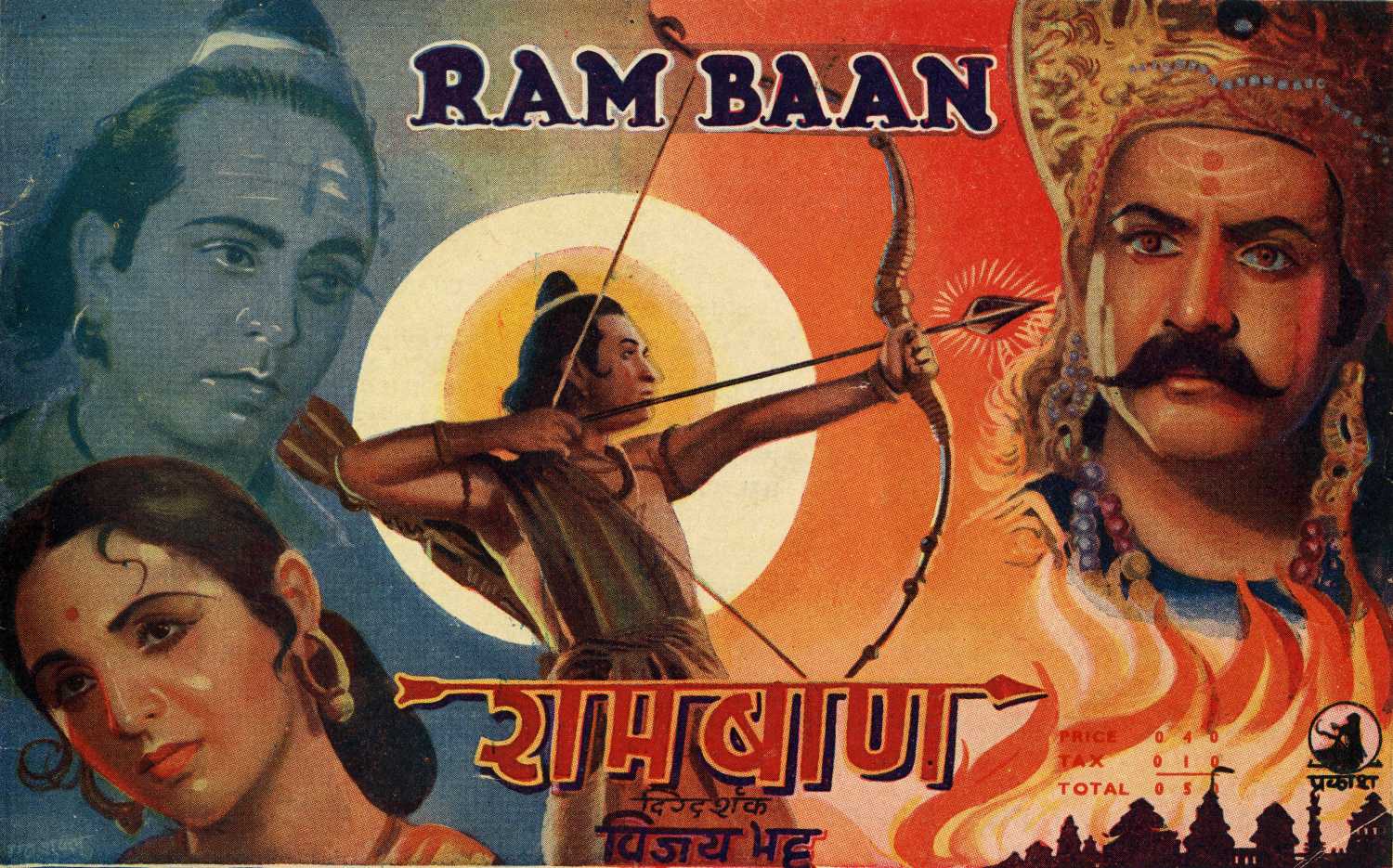
Directed and produced by Vijay Bhatt, the film starred Prem Adib as Ram, Shobhana Samarth as Sita and Chandra Mohan as Raavan. The plot centred around Ram, Sita and Lakshman’s exile in the forest. Raavan, the King of Lanka wants to avenge his sister Surpanakha’s humiliation by Lakshman and abducts Sita. This leads to Rama and Lakshman’s meeting with Sugriva and Hanuman, who agree to help in the war against Ravan to get Sita back.
Hanuman Patal Vijay (1951):
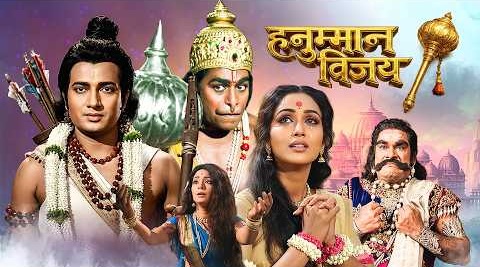
Directed by Homi Wadia, with Meena Kumar as Sita and SN Tripathi as Hanuman, Mahipal as Ram, the story was about Hanuman’s devotion to Ram and his battle with the two demon brothers Ahiravan and Mahiravan, sent by Raavan to kill Ram and Lakshman. Every time Hanuman slays them, they keep regenerating till he finds the secret behind this power with the help of Ahiravan’s wife, Chandrasen, a Lord Ram devotee, and finally kills them. It was remade in 1959 as Chandrasena, with Mahipal reprising his role as Ram and in 1974 as Hanuman Vijay, directed by Babubhai Mistry with Hercules, Ashish Kumar and Kanan Kaushal. The story of Chandrasena’s devotion to Ram first was made in 1931 as a silent film by V. Shantaram and Keshavrao Dhaiber.
Ramayan (1954):
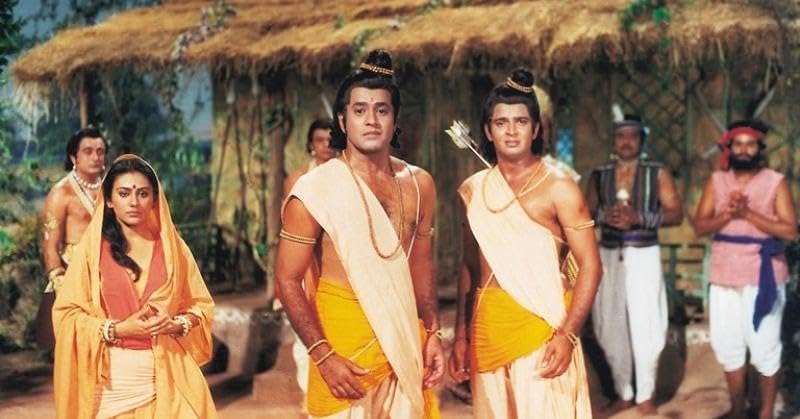
Produced and directed by Vijay Bhatt, the film starred Prem Adib and Shobhana Samarth as Ram and Sita, The two actors had earlier acted in a trilogy of Bhatt’s films based on the Ramayan, Bharat Milap (1942), Ram Rajya (1953) and Rambaan (1946) — all three extremely successful at the box-office, The story revolved around the latter part of the epic Ramayana, focussing on Rama and Sita’s twin sons Luv and Kush.
Sampoorna Ramayan (1961):
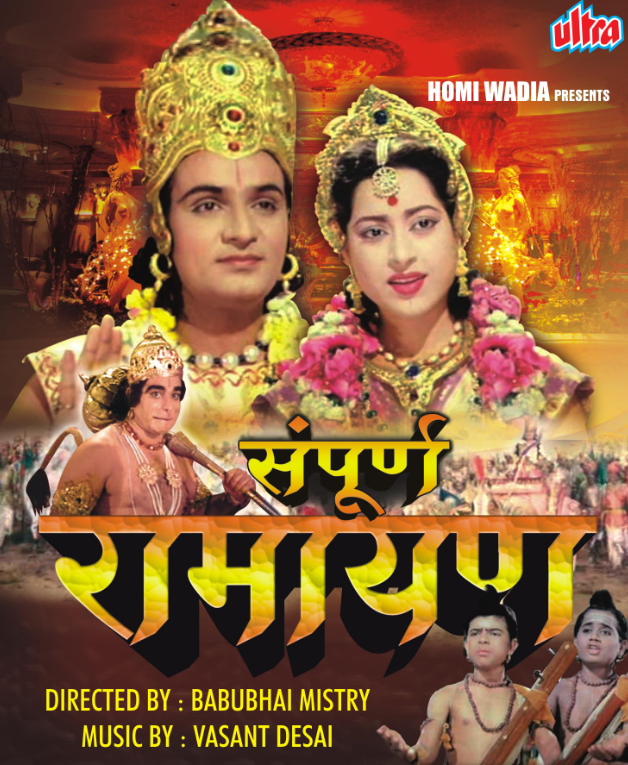
Directed by Babubhai Mistry, this was one of early Hindi cinema’s most comprehensive cinematic retellings of the epic, tracking the entire arc of the story–from Lord Ram’s birth and exile, to the war in Lanka and his triumphant return to Ayodhya. It starred Mahipal and Anita Guha as Ram and Sita. The film was a box office hit,] and became a milestone in the history of cinema mythologicals. It was the second major Hindi film based on Rama, after Vijay Bhatt’s hugely popular Ram Rajya. Babubhai Mistry was known for his skill in special effects and made inventive use of these in his films.
Bajrangbali (1976):
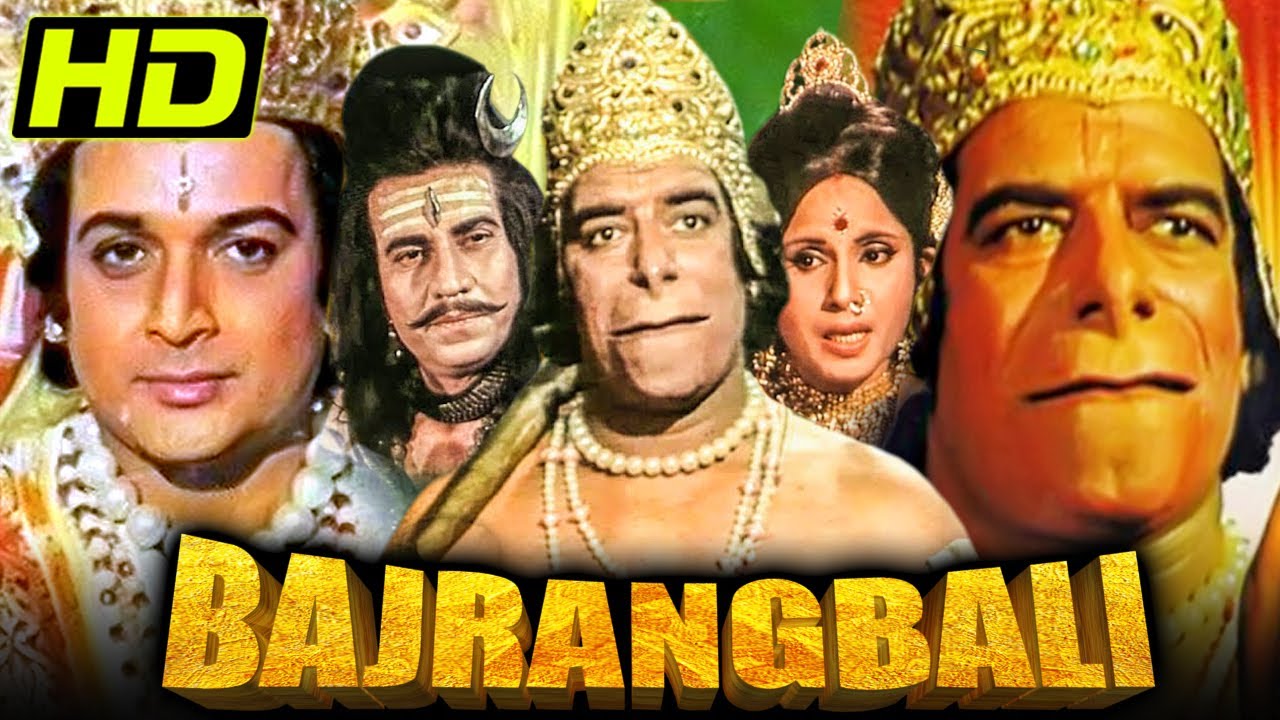
Directed by Chandrakant, this film centers specifically on Lord Hanuman. It details his unmatched devotion to Lord Ram, his journey to Lanka, the burning of Raavan’s kingdom, and his pivotal role in bringing back the Sanjeevani herb. Dara Singh’s iconic portrayal of Hanuman in this film laid the foundation for his legacy as this character in mythological movies.
Lav Kush (1997):
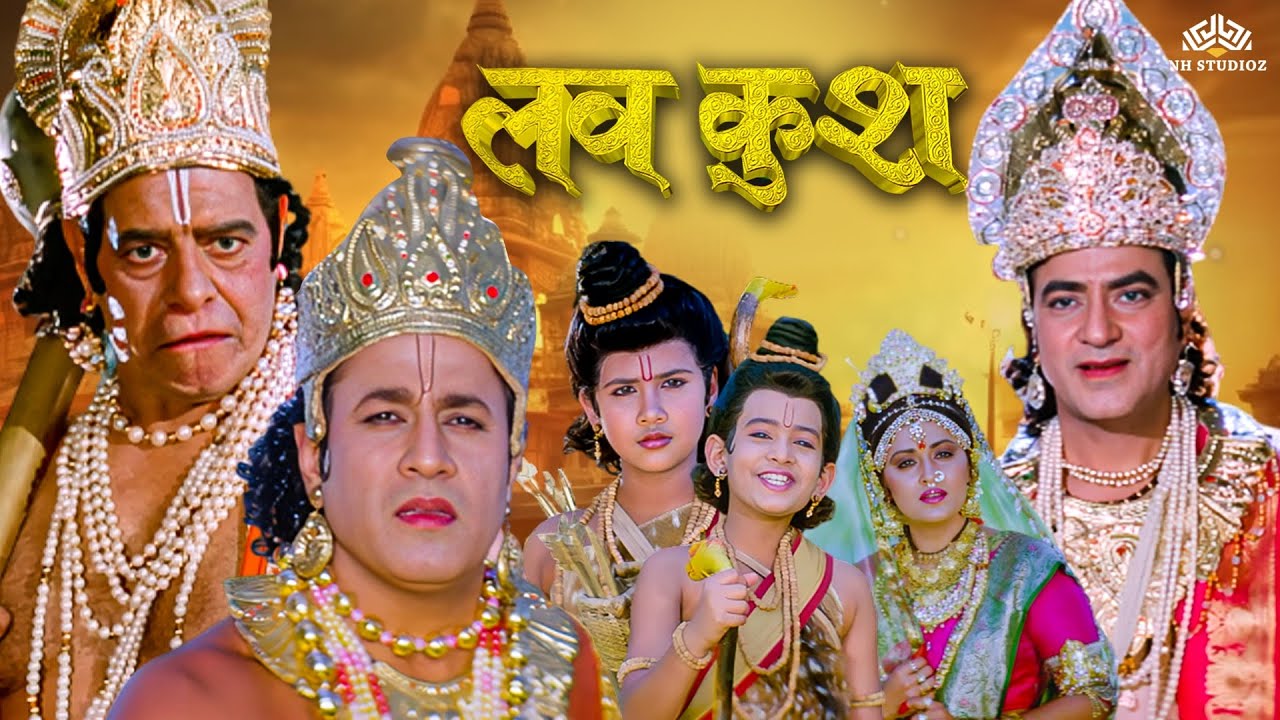
Directed by V. Madhusudhana Rao, this film picks up post-Lanka war, shifting the focus to Lord Rama’s twin sons, Lav and Kush. It highlights their training under Rishi Valmiki, who offers shelter to Sita when Ram banishes her from Ayodhya. The twins capture the Ashwamedha horse, and declare war on Ram, unaware that he is their father. Sita intervenes, reunites them with Ram, but refuses to return, deciding instead to merge with the earth. It starred Jeetendra as Ram, Jaya Prada as Sita, Arun Govil as Lakshman, Dara Singh as Hanuman and Pran as Rishi Valmiki. The film was a flop and a financial disaster.
Adipurush (2023):
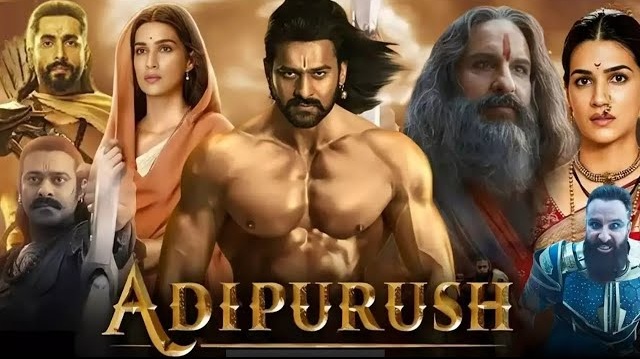
Directed and co-written by Om Raut, the film was shot simultaneously in Hindi and Telugu, with Prabhas as Raghav, Kriti Sanon and Janaki, Saif Ali Khan as Lankesh and Devdatta Nage as Bajrang (using other names for the characters, instead of the commonly used ones). With heavy use of CGI, making it one of the most expensive films made in India, it left Hindi audiences cold, but did well in Telugu.