





This National Handloom Day August 7, 2026, discover why choosing handloom is a meaningful way to support artisans, embrace sustainable fashion and wear a piece of India’s rich cultural legacy
From the looms of ancient India to the wardrobes of today, handwoven textiles are more than beautiful garments—they are living symbols of our heritage, craftsmanship and resilience.
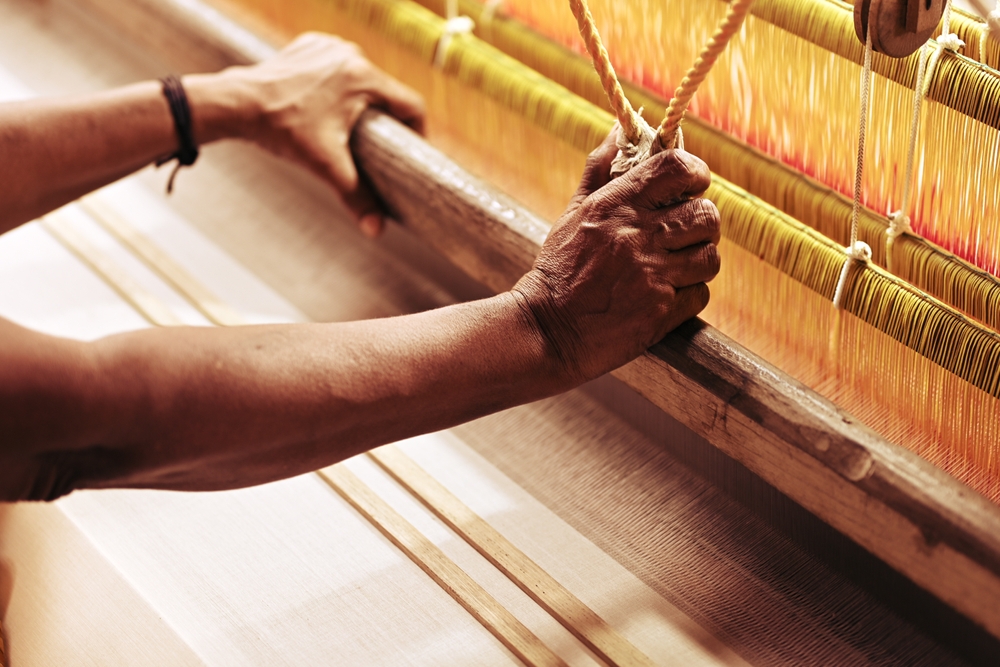
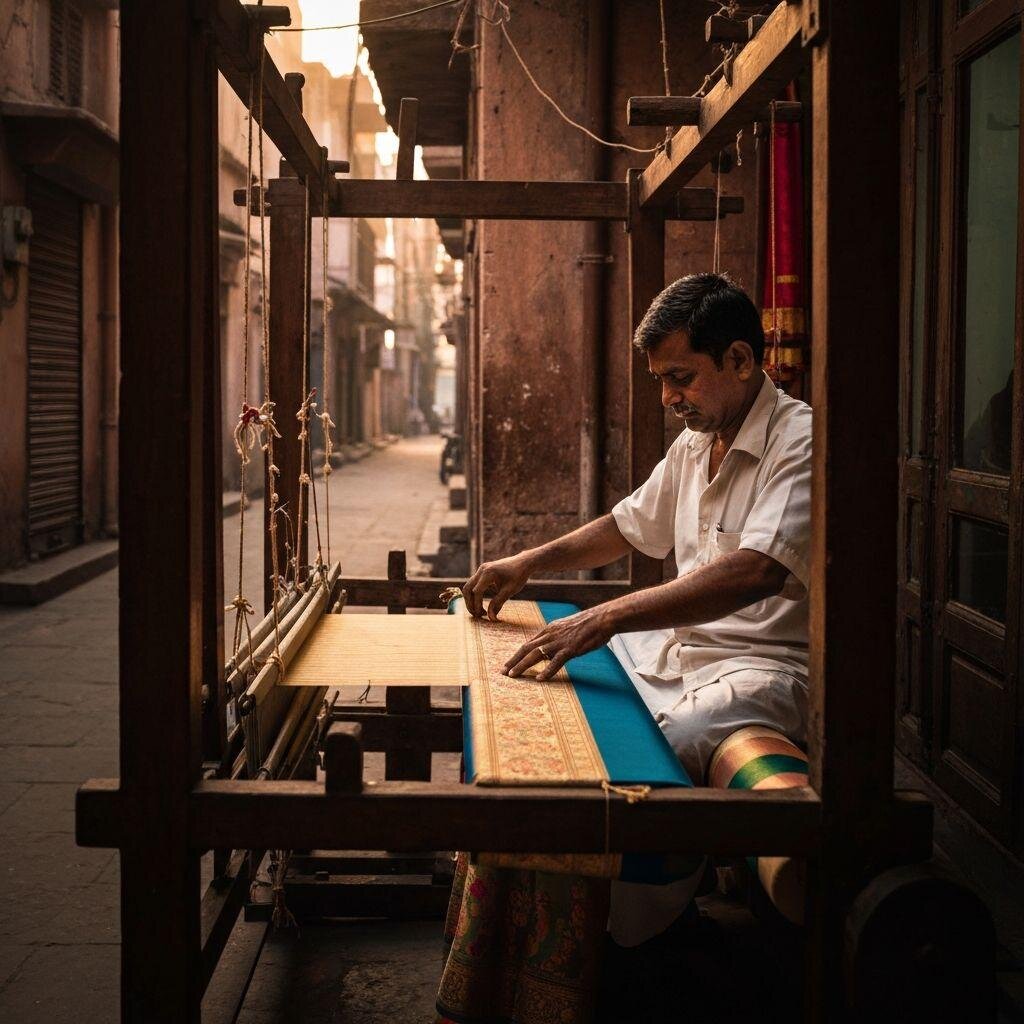
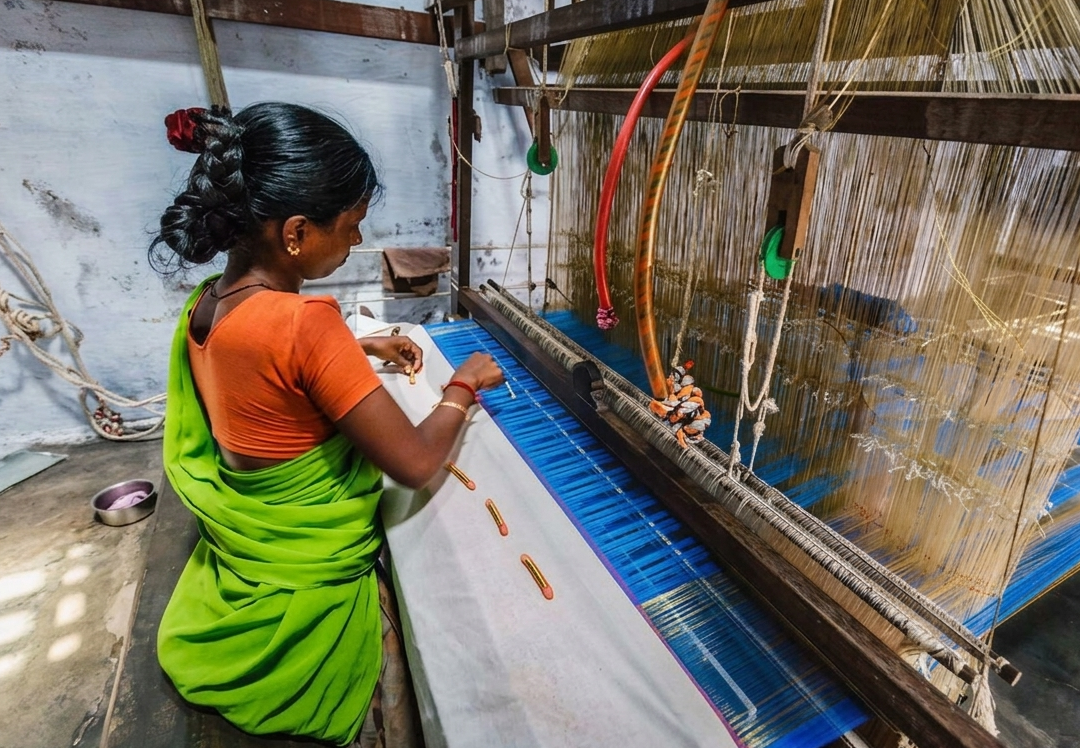
Before a single thread becomes fabric, it passes through skilled hands that have often learnt the craft from parents and grandparents. Every movement of the shuttle, every carefully woven motif and every intricate border reflect years of practice and generations of knowledge. Long before power looms and fast fashion transformed the textile industry, India’s handwoven fabrics travelled across continents, admired for their extraordinary quality and artistry.
Today, as India celebrates National Handloom Day on 12 August, these timeless textiles deserve more than admiration—they deserve to be worn. Choosing handloom is not simply a style statement. It is a way of preserving an ancient craft, supporting millions of artisans and making a conscious choice for a more sustainable future.
A Heritage Woven Through Time
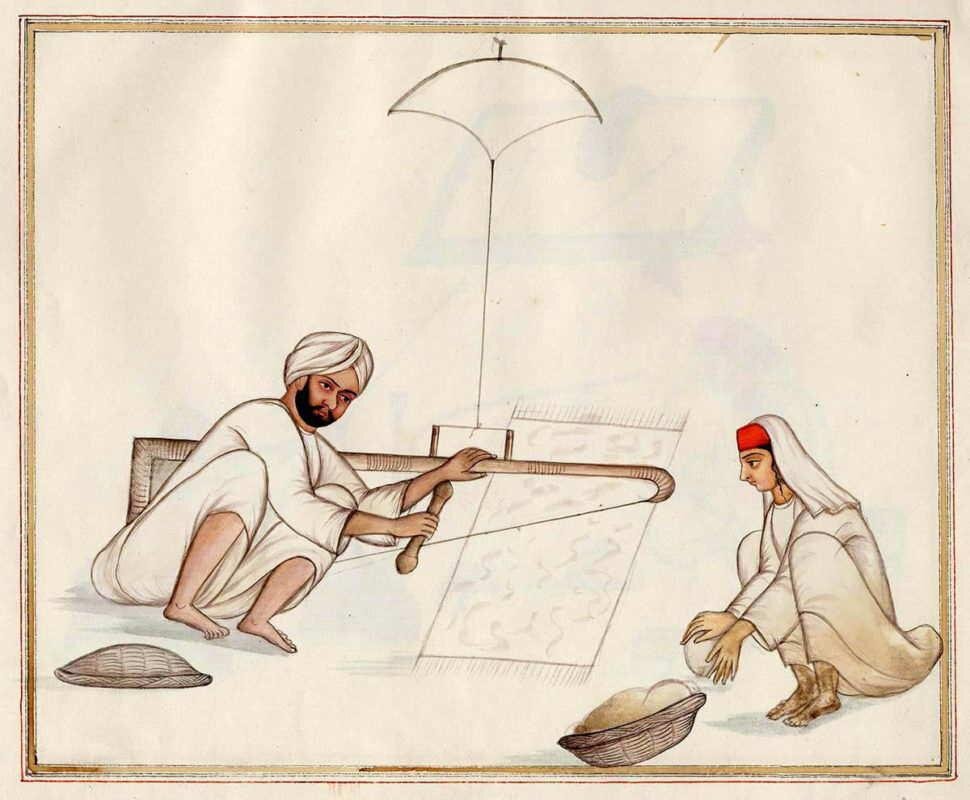
India’s relationship with textiles dates back over 4,000 years. Archaeological excavations at the Indus Valley Civilisation have uncovered evidence of cotton cultivation and weaving from around 2500 BCE, making India one of the world’s earliest textile-producing civilisations.
Indian fabrics became highly sought after across Asia, the Middle East and Europe. Roman traders imported fine Indian cottons, while merchants from Persia, China and Southeast Asia prized Indian silks and muslins. Bengal’s legendary muslin was so delicate that it was famously described as being as light as woven air.
Every region gradually developed its own distinctive weaving tradition, influenced by its climate, culture, local materials and artistic heritage. These traditions continue to thrive today, making India home to one of the richest textile cultures in the world.
Why National Handloom Day Matters
National Handloom Day was introduced by the Government of India in 2015 to recognise the contribution of India’s handloom weavers and to commemorate the Swadeshi Movement, launched on 7 August 1905. During the freedom struggle, Indians were encouraged to reject imported textiles and embrace locally woven cloth as a symbol of self-reliance and national pride.
Today, the handloom sector remains one of India’s largest rural employers after agriculture. It provides livelihoods for millions of people, many of whom belong to families that have been weaving for generations. Women play a vital role throughout the industry, from spinning and dyeing to weaving and finishing.
When you purchase a genuine handloom garment, you help sustain these communities and ensure that traditional skills are passed on to future generations.
What Makes Handloom Special?
Unlike power looms, handlooms are operated entirely by human skill without automated machinery. The weaving process is slower, but that is precisely what gives handloom its unique character.
Each piece carries subtle variations in texture and weave that make it one of a kind. These small irregularities are not flaws; they are the signature of the artisan who created it.
Many handloom fabrics are woven using natural fibres such as cotton, silk, wool and linen. They are breathable, durable and often become softer with every wash, making them especially comfortable in India’s varied climate.
India’s Remarkable Handloom Traditions
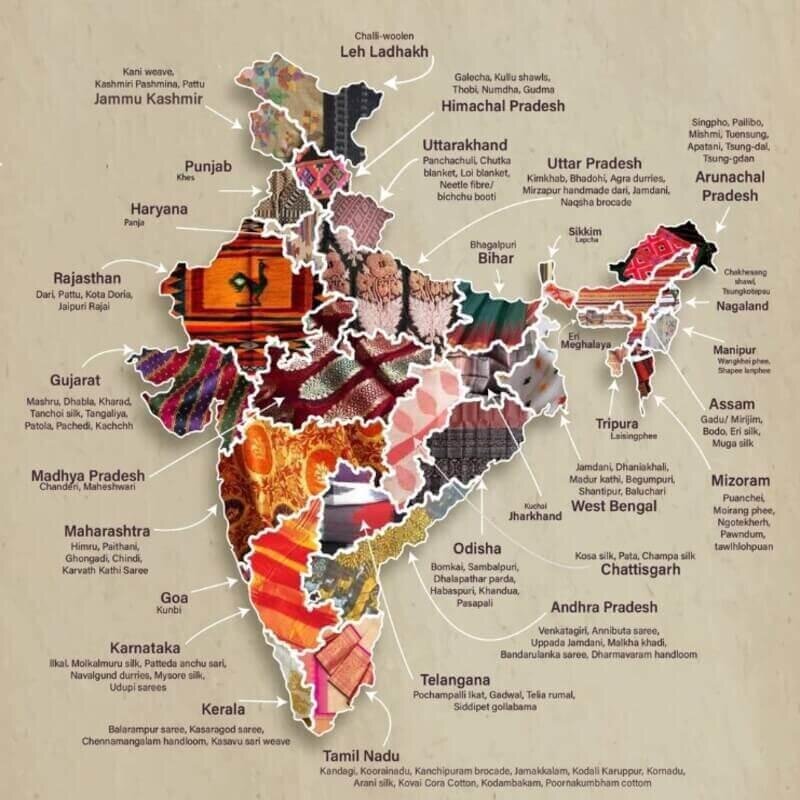
India’s diversity is beautifully reflected in its textiles. Every state has developed weaving traditions that are instantly recognisable.
Among the country’s most celebrated handlooms are:
- Banarasi brocades from Uttar Pradesh
- Kanchipuram silk from Tamil Nadu
- Chanderi and Maheshwari weaves from Madhya Pradesh
- Pochampally Ikat from Telangana
- Patola from Gujarat
- Jamdani from West Bengal
- Muga silk from Assam
- Kota Doria from Rajasthan
- Kasavu from Kerala
- Bhujodi weaving from Gujarat
- Khadi, woven in many parts of India
Each weave tells a story through its colours, motifs and techniques, often inspired by local flora, fauna, architecture and folklore.
Good for You, Good for the Planet
The global fashion industry is estimated to account for around 8–10% of worldwide carbon emissions, while also consuming enormous quantities of water and generating significant textile waste. Fast fashion encourages frequent purchases of inexpensive, short-lived garments, many made from synthetic fibres that shed microplastics into the environment.
Handloom offers a more sustainable alternative.
Because handlooms are operated manually, they consume little or no electricity during weaving. Production is generally carried out on a small scale, generating less pollution than industrial manufacturing. Many artisans also use natural fibres and, in some regions, traditional vegetable dyes.
By investing in a well-made handloom garment that can last for decades, you reduce waste while supporting environmentally responsible craftsmanship.
Comfort That Lasts
If you have ever worn a handwoven cotton kurta or saree on a warm summer day, you will know the difference.
Natural fibres allow air to circulate more freely than many synthetic fabrics, helping you stay cooler and more comfortable. Cotton handlooms absorb moisture well, while linen becomes softer over time. Silk handlooms provide warmth in winter while remaining surprisingly breathable in warmer weather.
For many older adults, natural fabrics are also kinder to sensitive skin because they allow better ventilation and are less likely to trap heat.
Supporting the Hands Behind the Cloth
Behind every handloom garment is a family, not a factory.
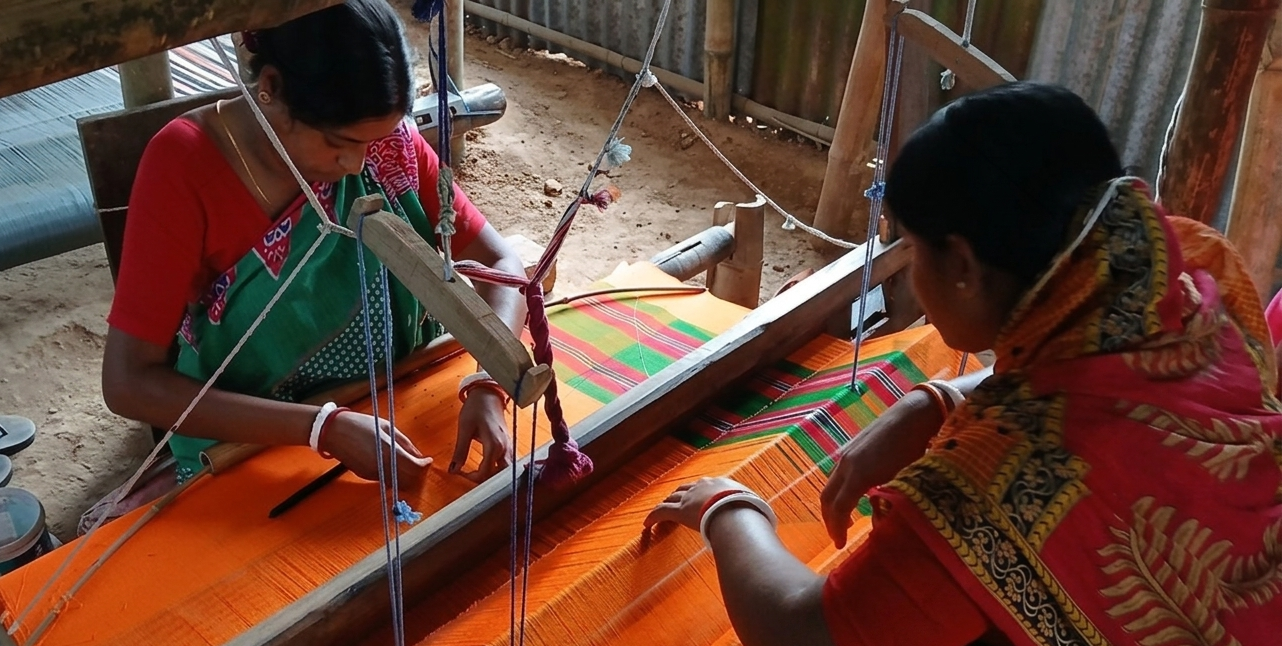
Many weaving communities work from their homes or small workshops, often combining traditional techniques with contemporary designs. Yet they face growing competition from inexpensive machine-made imitations that are sometimes sold as handloom.
When you buy authentic handloom, you are investing directly in rural livelihoods, preserving traditional knowledge and encouraging younger generations to continue these remarkable crafts.
How to Recognise Genuine Handloom
Not every fabric marketed as “handmade” is truly handloom.
When shopping, look for:
- The official Handloom Mark, introduced by the Government of India to certify genuine handloom products.
- A GI (Geographical Indication) tag for region-specific textiles such as Banarasi, Kanchipuram or Chanderi.
- Slight variations in weave and texture, which are natural characteristics of handwoven fabric.
- Transparent information about the artisan, weaving cluster or cooperative.
Buying from reputable organisations and artisan collectives helps ensure authenticity.
Building a Wardrobe with Meaning
You do not need an entire wardrobe of handloom clothing to make a difference.
One elegant cotton saree, a beautifully woven stole, a khadi shirt, a linen kurta or a handwoven jacket can become cherished pieces that you wear for years. Unlike rapidly changing fashion trends, handloom rarely goes out of style.
Many families also pass treasured handloom garments from one generation to the next, allowing memories to become woven into the fabric itself.
Where to Buy Authentic Handloom
India offers many trusted places to purchase genuine handloom products.
Government-supported organisations include Khadi and Village Industries Commission (KVIC), India Handmade, and state handloom emporia found in many cities. Reputable retailers such as Fabindia, Taneira, Jaypore, GoCoop, The Handloom House and Okhai also work with artisan communities and weaving clusters across the country.
You can also visit regional handloom exhibitions, craft fairs and textile festivals, where you often have the opportunity to meet the artisans themselves and learn about the stories behind their creations.
A Thread That Connects Generations
In a world driven by speed and convenience, handloom reminds us that some things are worth taking time to create.
Every woven thread carries the rhythm of the loom, the patience of the artisan and the wisdom of generations who perfected their craft long before machines existed. When you choose handloom, you are not simply buying clothing—you are preserving culture, supporting livelihoods and helping one of India’s oldest living traditions continue to flourish.
This National Handloom Day, perhaps the most meaningful garment you wear will not be the newest one in your wardrobe. It may be the one that tells the oldest story.
Know Your Handlooms
A Journey Across India’s Looms
| State | Famous Handloom | Known For |
|---|---|---|
| Uttar Pradesh | Banarasi Silk | Luxurious brocades with intricate gold and silver zari work, popular for bridal wear. |
| Tamil Nadu | Kanchipuram Silk | Rich mulberry silk sarees with contrasting borders and exceptional durability. |
| Telangana | Pochampally Ikat | Distinctive geometric patterns created using the intricate resist-dyeing (ikat) technique. |
| Madhya Pradesh | Chanderi | Lightweight, sheer fabrics with elegant motifs in silk and cotton blends. |
| Madhya Pradesh | Maheshwari | Reversible borders, fine stripes and checks, inspired by the architecture of Maheshwar Fort. |
| Gujarat | Patola | Exquisite double ikat weaving, regarded as one of the world’s most complex textile techniques. |
| Gujarat | Bhujodi | Rustic shawls, stoles and home textiles woven by the Vankar community. |
| Rajasthan | Kota Doria | Fine square-check weave (‘khats’) that produces exceptionally light and airy sarees. |
| West Bengal | Jamdani | Delicate handwoven motifs that appear to float on fine cotton fabric. |
| West Bengal | Baluchari | Silk sarees depicting scenes from mythology and epics in their borders and pallus. |
| Assam | Muga Silk | Naturally golden silk unique to Assam, renowned for its lustre and longevity. |
| Assam | Eri Silk | Soft, warm and known as ‘Ahimsa Silk’ because the silkworm is not killed during production. |
| Kerala | Kasavu | Elegant off-white sarees with classic gold borders, traditionally worn during festivals and weddings. |
| Odisha | Sambalpuri Ikat | Vibrant tie-dye patterns inspired by nature, temples and local culture. |
| Jammu & Kashmir | Pashmina (handwoven) | Luxurious shawls crafted from the fine undercoat of Himalayan goats. |
| Nagaland | Naga Shawls | Bold geometric designs, each pattern reflecting tribal identity and heritage. |
India’s Textile Journey Through Time
| Period | Milestone |
|---|---|
| 2500 BCE | Cotton cultivation and weaving flourish in the Indus Valley Civilisation. |
| 1st Century CE | Roman traders import Indian cottons, muslins and silks. |
| Medieval India | Regional weaving traditions such as Banarasi, Patola and Kanchipuram become internationally renowned. |
| 17th–18th Century | Indian textiles dominate global trade, especially fine muslin and printed cotton fabrics. |
| 19th Century | Industrialisation and imported machine-made textiles severely affect traditional weaving communities. |
| 1905 | The Swadeshi Movement encourages Indians to support indigenous textiles and boycott imported cloth. |
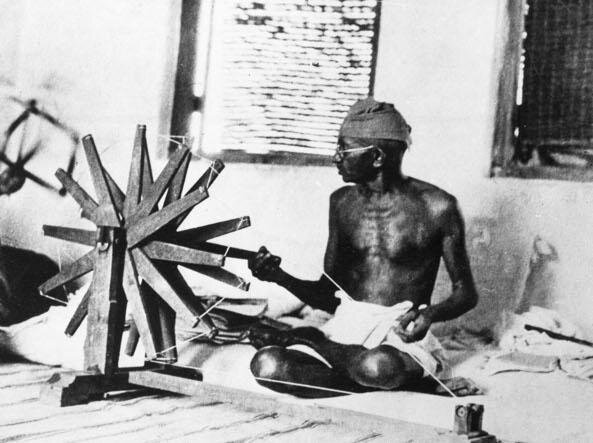
| 1920s–1940s | Mahatma Gandhi makes khadi a symbol of self-reliance and India’s freedom movement. |
| 2015 | The Government of India declares 7 August as National Handloom Day to honour the country’s weaving heritage. |
| Today | India’s handloom industry continues to support millions of artisans while promoting sustainable and ethical fashion. |
Did You Know?
- India has more than 3,000 documented handloom clusters, each with distinctive weaving traditions.
- The handloom sector is one of India’s largest sources of rural employment after agriculture.
- Many traditional weaving techniques are recognised with Geographical Indication (GI) status, protecting their authenticity.
- A single, intricate handwoven silk saree may take several weeks or even months to complete, depending on its complexity.
- Handloom fabrics often become softer and more comfortable with age, making them treasured heirlooms.
How to Identify Genuine Handloom
Before buying, look for these signs:
✔ Handloom Mark – A Government of India certification that verifies the product is genuinely handwoven.
✔ Silk Mark – Certifies the purity of silk used in the fabric.
✔ GI (Geographical Indication) Tag – Protects region-specific weaves such as Banarasi, Kanchipuram and Chanderi.
✔ Natural Variations – Slight irregularities in the weave are a hallmark of handcrafted textiles, not defects.
10 Trusted Places to Buy Authentic Handloom in India
| Retailer | Speciality |
|---|---|
| Khadi and Village Industries Commission (KVIC) | Khadi garments, fabrics and handcrafted products. |
| India Handmade | Government-supported marketplace showcasing artisan-made products from across India. |
| GoCoop | Directly connects buyers with weavers’ cooperatives and artisan clusters. |
| Taneira | Curated handwoven sarees and apparel sourced from weaving traditions across India. |
| Jaypore | Contemporary clothing and home décor inspired by Indian crafts. |
| Fabindia | Handcrafted apparel, home furnishings and natural products made in partnership with artisan communities. |
| The Handloom House | Wide range of traditional handloom sarees and fabrics. |
| Okhai | Handmade clothing and accessories that support rural women artisans. |
| State Government Handloom Emporia | Reliable outlets for authentic regional weaves, available in many major cities. |
| National Crafts Museum & Hastkala Academy (New Delhi) and seasonal craft fairs | Excellent places to purchase directly from artisan cooperatives while learning about traditional crafts. |
Care for Your Handloom
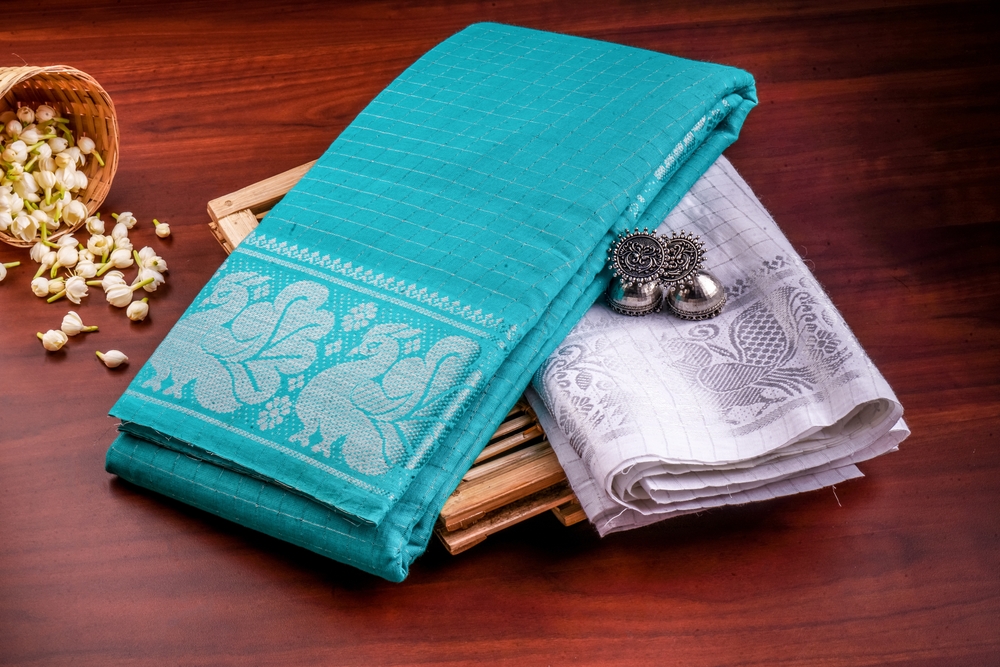
A well-cared-for handloom garment can last for decades.
- Wash gently by hand or follow the care instructions provided.
- Dry in the shade to preserve colours.
- Store silk in breathable cotton bags rather than plastic.
- Avoid spraying perfume directly onto delicate fabrics.
- Air garments occasionally to prevent moisture build-up.
- Fold sarees differently from time to time to reduce permanent creases along the same fold lines.
A Thought to Leave You With
“When you wear handloom, you are wrapped not only in fabric but also in the stories of the people who spun the yarn, dyed the threads and patiently wove every inch by hand. It is one of the few things you can wear that carries history, artistry and hope—all at once.”