






This guide explains the basics of UPI and digital banking in simple terms, helping you to understand how these systems work and how to use them safely
In recent years, India has seen a major shift towards digital banking and online payments. From paying electricity bills to sending money to family members, many everyday financial tasks can now be completed using a mobile phone. For senior citizens, this change may feel confusing at first, but digital banking can actually make life easier, safer and more convenient when used correctly.
This guide explains the basics of UPI and digital banking in simple terms, helping you to understand how these systems work and how to use them safely.
What Is Digital Banking?
Digital banking means using a mobile phone, tablet or computer to access banking services without visiting a bank branch. It allows people to:
- Check account balances
- Transfer money
- Pay utility bills
- Recharge mobile phones
- Receive pensions
- Shop online
- Book tickets and appointments
Most Indian banks now provide mobile banking apps and internet banking services for their customers.
Popular banks such as State Bank of India, HDFC Bank and ICICI Bank offer simple digital banking facilities designed for everyday use.
What Is UPI?
UPI stands for Unified Payments Interface. It is a real-time payment system developed by the National Payments Corporation of India, commonly known as NPCI.
UPI allows people to send and receive money instantly using a smartphone. Instead of remembering long bank account numbers, users can transfer money using a simple UPI ID or by scanning a QR code.
For example:
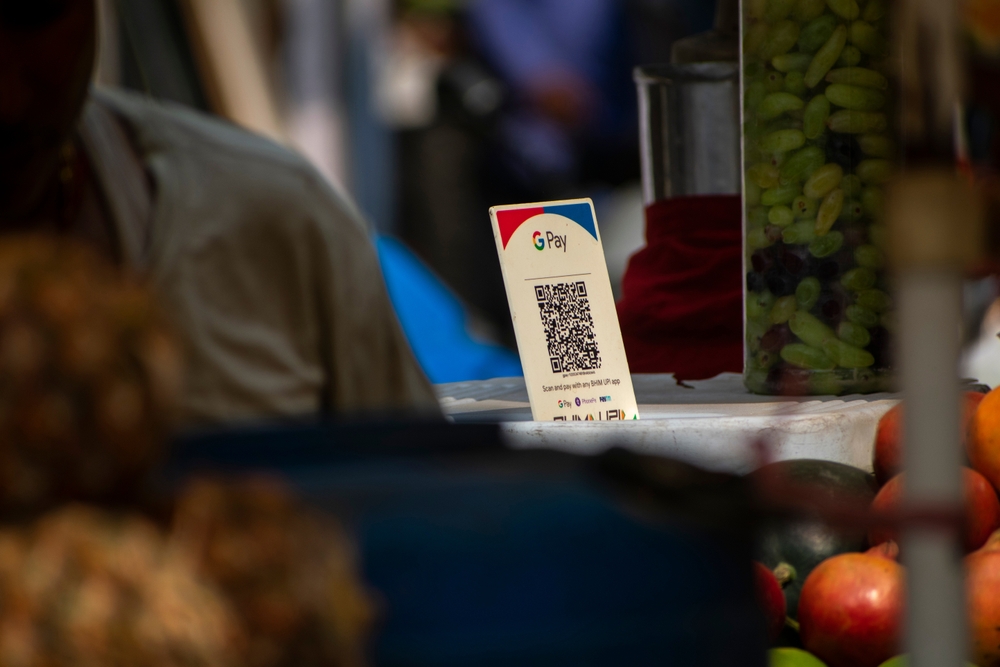
- A tea shop may display a QR code for payment.
- A grandparent can send pocket money directly to a grandchild’s bank account within seconds.
- Utility bills can be paid from home without standing in queues.
Popular UPI Apps in India
Several trusted apps allow users to make UPI payments, including:
- Google Pay
- PhonePe
- Paytm
- BHIM
Most banks also provide their own official mobile banking apps with UPI features included.
How Does UPI Work?
Using UPI is fairly simple once it is set up correctly. The process usually involves:
- Downloading a trusted banking or UPI app
- Linking a mobile number registered with the bank
- Selecting the bank account
- Creating a secure UPI PIN
- Using the app to send or receive money
A UPI PIN is a secret number used to approve transactions. It should never be shared with anyone.
Benefits of Digital Banking for Seniors
Convenience
Digital banking removes the need to travel to the bank for routine work. This is especially useful for seniors with mobility issues or health concerns.
Faster Payments
Money transfers through UPI are usually completed within seconds, even on weekends and holidays.
Reduced Cash Handling
Carrying less cash lowers the risk of theft or loss.
Easy Bill Payments
Electricity, water, gas and telephone bills can all be paid from home.
Better Financial Tracking
Digital transactions create a record of payments, making it easier to monitor spending.
Important Safety Tips
While digital banking is useful, safety is extremely important. Follow a few basic rules to avoid fraud.
Never Share OTPs or PINs
Banks never ask for:
- OTPs (One-Time Passwords)
- ATM PINs
- UPI PINs
- Passwords
If someone asks for these details over the phone, it is likely to be a scam.
Use Only Official Apps
Apps should only be downloaded from trusted sources such as:
- Google Play Store
- Apple App Store
Avoid Public Wi-Fi
Sensitive banking work should not be done on public internet connections.
Check Before Paying
Always verify the recipient’s name before sending money.
Ignore Suspicious Links
Fraudsters often send fake messages pretending to be banks. Avoid clicking unknown links.
Keep Phones Locked
A screen lock or fingerprint lock adds extra protection.
Common Uses of UPI
Many seniors are already using UPI for daily tasks such as:
- Paying grocery shops
- Buying medicines
- Sending money to children
- Paying domestic helpers
- Paying medical bills
- Booking taxis and train tickets
Even small roadside shops across India now accept UPI payments.
What Happens If a Transaction Fails?
Occasionally, a payment may fail because of network issues. In most cases:
- The money is either transferred successfully, or
- It is automatically refunded within a few hours or days
Users should always keep transaction messages until the matter is resolved.
How Seniors Can Start Comfortably
Learning digital banking does not need to happen all at once. Begin with simple activities such as:
- Checking account balances
- Receiving money
- Paying one monthly bill digitally
Family members can also help with the initial setup while encouraging safe practices and independence.
UPI and digital banking have changed the way India handles money. For senior citizens, these services can save time, reduce effort and improve financial convenience. Although technology may seem intimidating initially, a careful and gradual approach can make digital banking simple and secure.
With proper awareness and basic safety habits, you can confidently enjoy the benefits of modern banking from the comfort of home.