






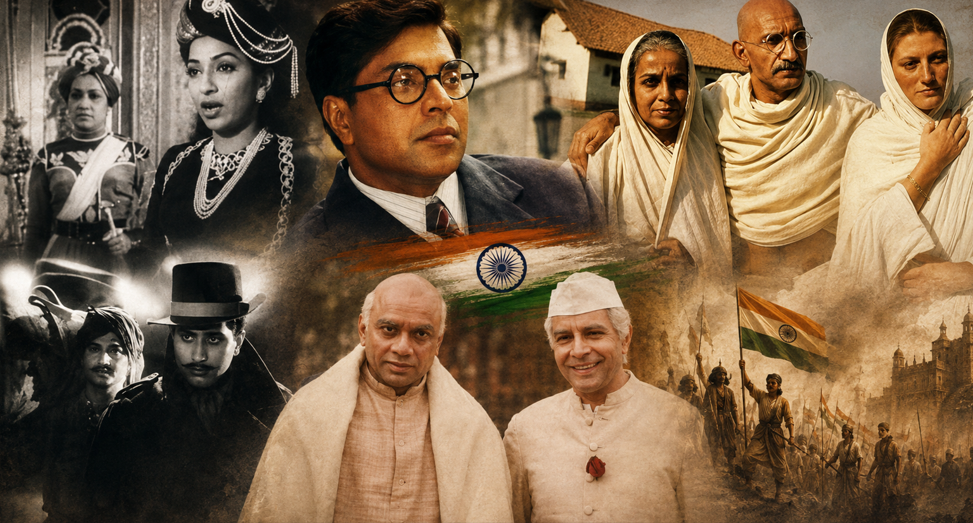
Every year when Independence Day comes round, it is time to remember the freedom fighters who struggled to free the country from British rule.
By and large, biopics of leaders are avoided by filmmakers, because of the risk of offending some faction or the other. The freedom movement has been portrayed in fiction form in several films over the years, but it was Richard Attenborough’s Gandhi (1982) that demonstrated what a good biopic should be like.
A look at 10 freedom fighters whose lives have been seen on screen:
Mahatma Gandhi
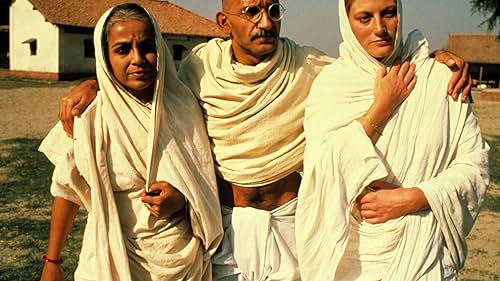
Apart from Attenborough’s film starring Ben Kingsley, Gandhi has appeared in many films as one of the important characters. An acclaimed retelling of his formative years is The Making of the Mahatma (1996). Written by Fatima Meer and directed by Shyam Benegal, with Rajit Kapur playing the lead role, this film examines what transformed Mohandas, a young lawyer into India’s most influential leader. It was in South Africa, where the UK-trained barrister went to settle a dispute for a client, that he was confronted with the excesses of apartheid, including the well-recorded incident of him being thrown out of a first-class train compartment, for not being white. It was there that he began the struggle for human rights and eventually returned to India to lead the freedom movement, with his unique call for non-violence and civil disobedience.
Jhansi Ki Rani
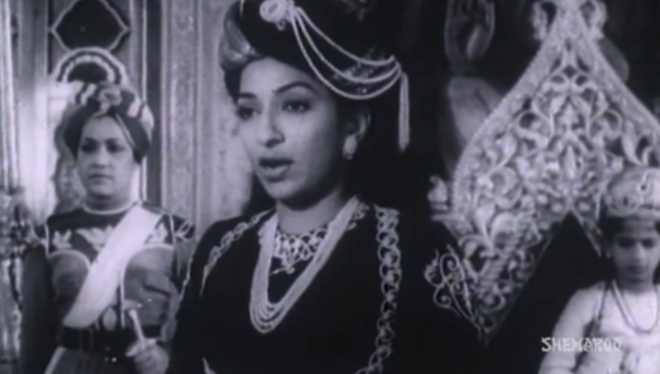
One of the few women who has been immortalized in literature and cinema, her biopic, Jhansi Ki Rani (1953) was made by Sohrab Modi, with his wife Mehtab playing the titular character. It was the first technicolour film made in India, and till then the most expensive film produced. Grand in scale, the story set against the 1957 rebellion against the British, in which Rani Lakshmibai, took up arms and led her army against the British, was a box-office failure. More recently, Kangana Ranaut starred in and co-directed with Radha Krishna Jagarlamudi, a big-budget epic, Manikarnika: The Queen of Jhansi (2019), about the queen who defied the East India Company.
Bhagat Singh
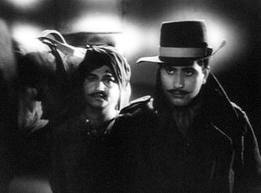
A young poet, thinker, revolutionary, who went to the gallows with a song on his lips, hanged (along with Sukhdev and Rajguru), at age 24, for his armed struggle against the British—by all accounts a fascinating life. There have been at least six biopics made on him–Shaheed-e-Azad Bhagat Singh (1954), directed by Jagdish Gautam, starring Prem Adib; Shaheed Bhagat Singh (1963), directed by K. N. Bansal, starring Shammi Kapoor; Shaheed (1965), directed by S. Ram Sharma, starring Manoj Kumar, and oddly enough three released in the same year, 2022. Shaheed-E-Azam (2002), directed by Sukumar Nair, starring Sonu Sood; 23rd March 1931: Shaheed (2002), directed by Guddu Dhanoa, starring Bobby Deol and The Legend of Bhagat Singh (2002), directed by Rajkumar Santoshi, starring Ajay Devgn. It was the 1965 version that is most memorable, because of its rousing songs, written and composed by Prem Dhawam – Ai watan humko teri kasam, Sarfaroshi Ki Tamanna (written by Ramprasad Bismil), Jogi hum to lut gaye, Mera rang de basanti chola, Pagdi sambhal jatta, Watan pe marnewale.
Vallabhbhai Patel
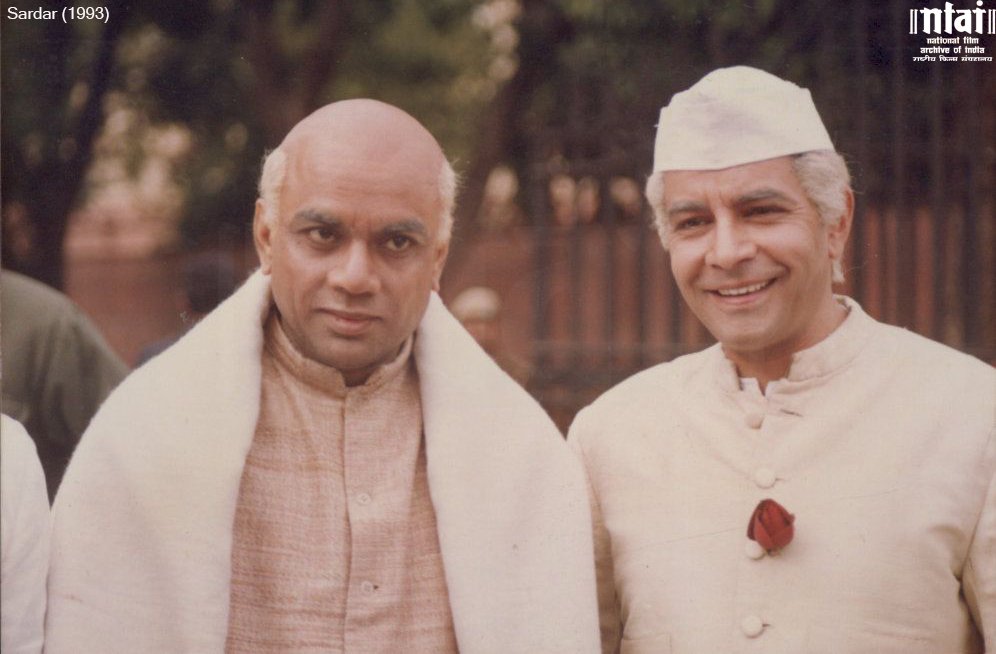
Ketan Mehta directed this respectful biopic, Sardar (1993), with Paresh Rawal playing the role of the much-admired leader known as Man of Iron. Madhu Limaye reportedly did the first draft and Vijay Tendulkar co-wrote the screenplay with Hriday Lani. The idea of making this film was to give Sardar his due place in history dominated by Gandhi and Nehru. When the process of Independence from British rule was underway, he played a crucial role in uniting small kingdoms into a nation, and during Partition he was the tough negotiator and also voice of reason.
Babasaheb Ambedkar
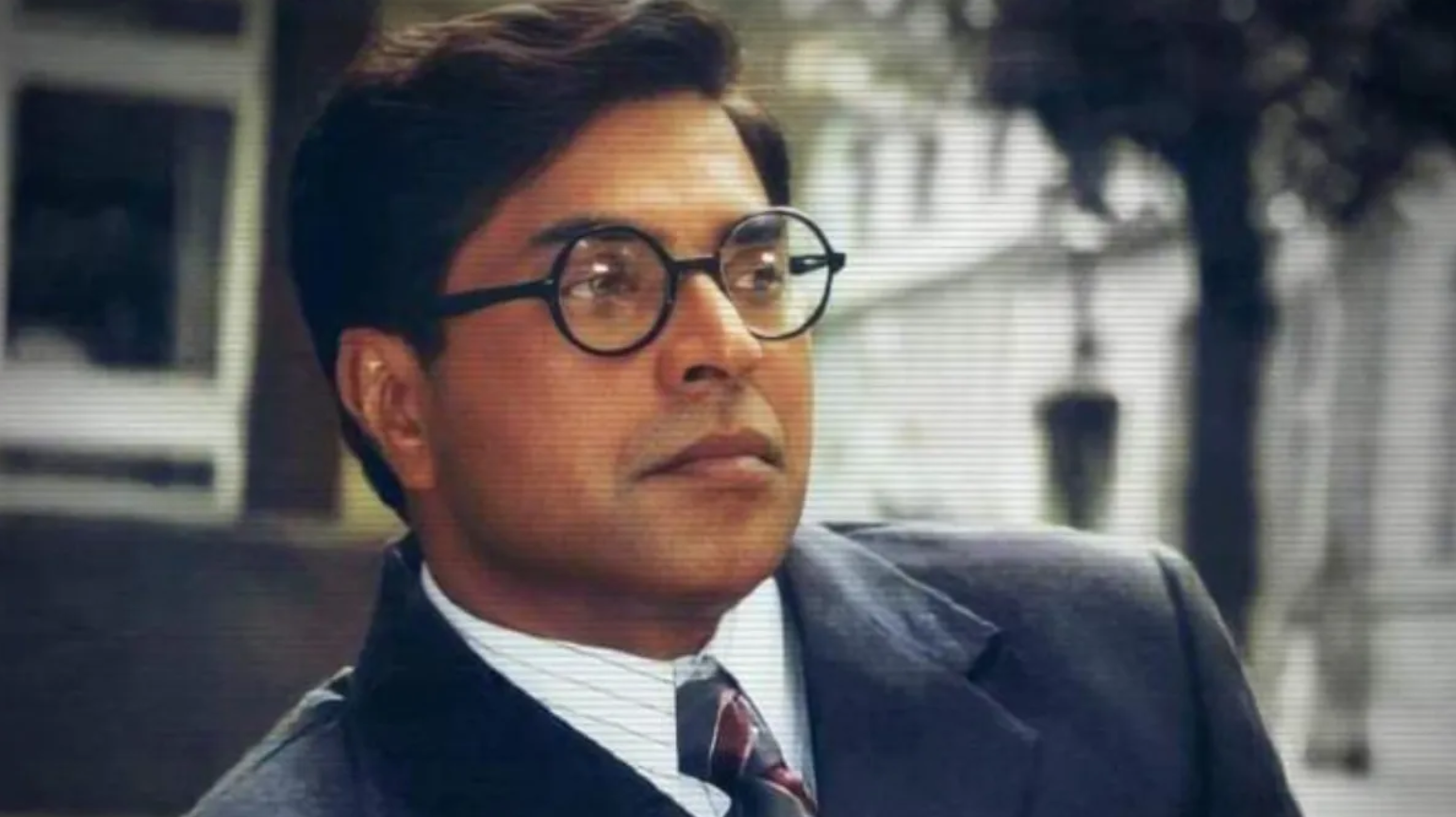
Malayalam star Mammootty played the title role in the biopic, Dr. Babasaheb Ambedkar (2000), directed by Jabbar Patel and written by Daya Pawar, Arun Sadhu and Sooni Taraporewala. It narrates the story of Ambedkar’s fight against the Indian caste system, his remarkable rise as a lawyer and finally his role in writing the Constitution of India. Making a film on a man who is revered by millions of Dalit followers must have been tough, but Patel managed to make a film the great personality deserved.
Netaji Subhas Chandra Bose
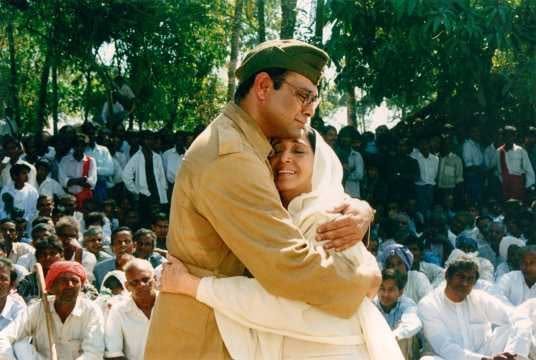
Netaji and his armed struggle against the British with his Indian National Army, makes for fascinating viewing. Netaji has been a part of the ensemble of many a film about the freedom movement. Shyam Benegal’s The Forgotten Hero (2005), with Sachin Khedekar in the role of the charismatic leader, records all the well-known incidents from Netaji’s life. A web series, Bose: Dead/Alive, directed by Pulkit, starred Rajkummar Rao as Netaji, but made few waves.
Veer Savarkar
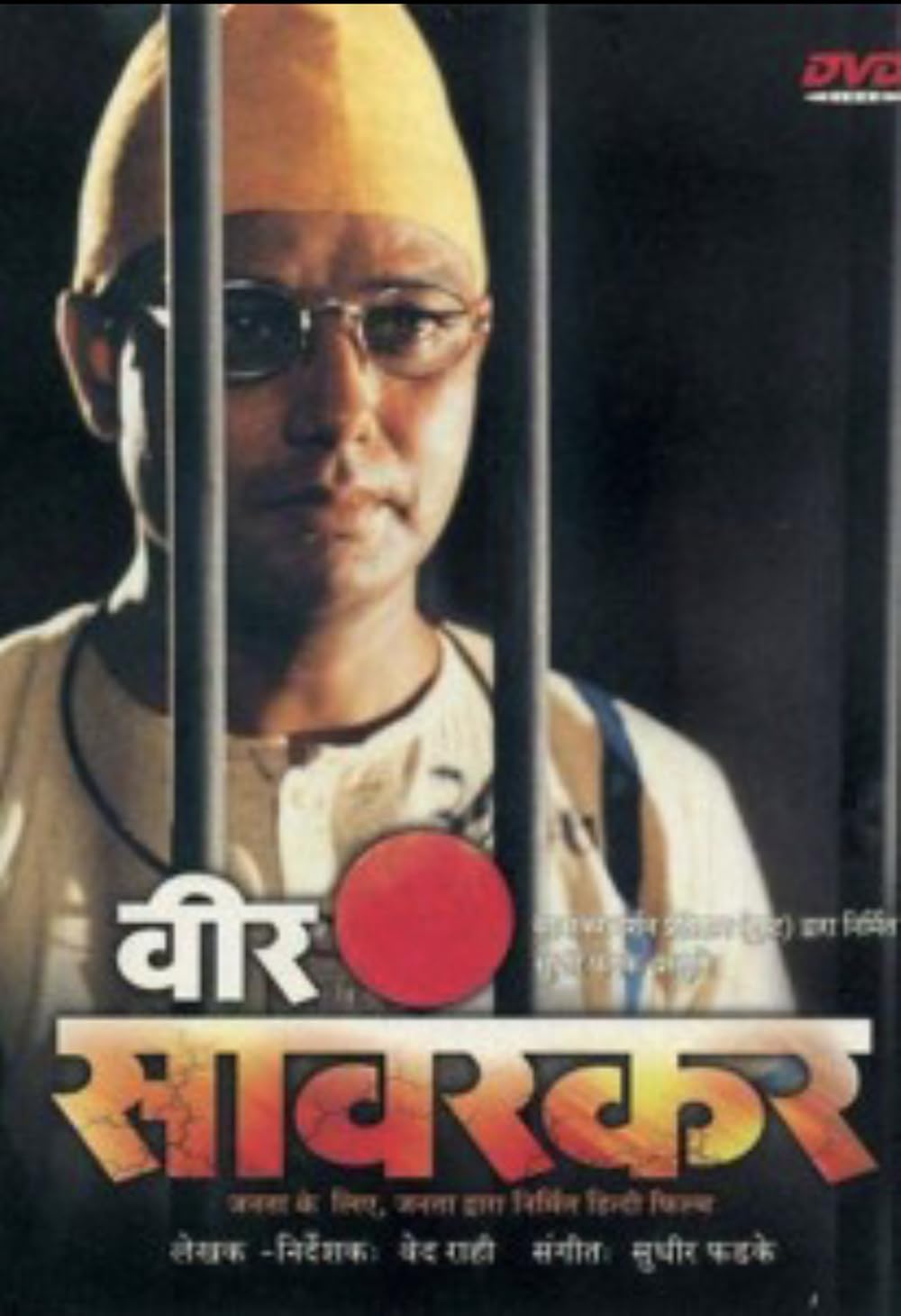
Vinayak Damodar Savarkar is now a more controversial figure than he was during his lifetime. Directed by Ved Rahi, the 2001 film Veer Savarkar, had Shailendra Gaur playing the freedom fighter. For his revolutionary writings and anti-British activities, he was sentenced to solitary confinement in the Andaman jail. Later, he became a proponent of a Hindu Rashtra and was opposed to Mahatma Gandhi and the conditions that resulted in Partition. More recently in 2024, Randeep Hooda directed and played the lead in Swatantrya Veer Savarkar.
Sardar Udham Singh
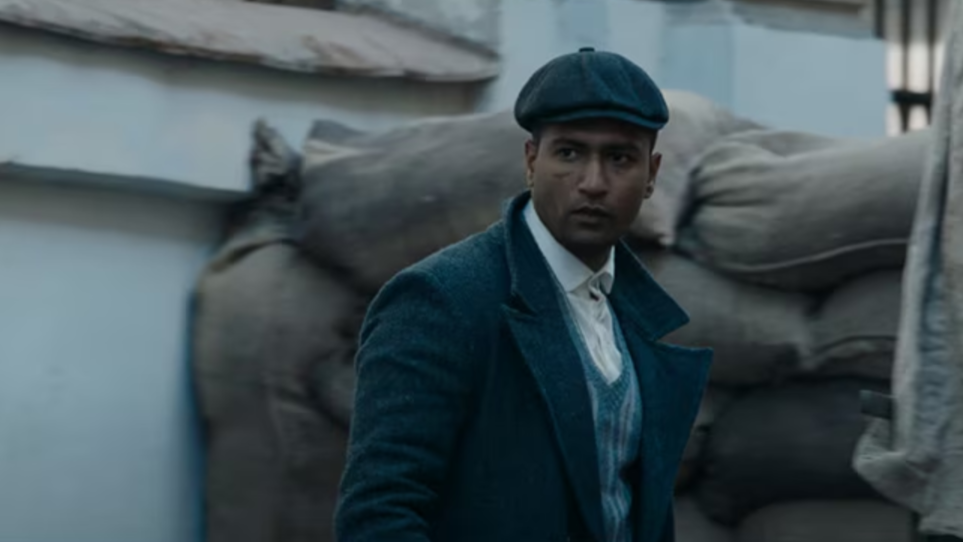
Directed by Shoojit Sircar, Sardar Udham (2021), was a slow burn biopic of the revolutionary, who was so enraged by the Jallianwala Bagh massacre, that for over two decades, he was consumed by the plan of assassinating General Dyer, who gave the order to fire on innocent people. Vicky Kaushal played the man, who dedicated his life for the cause of India’s independence.
Surya (Surjo) Sen
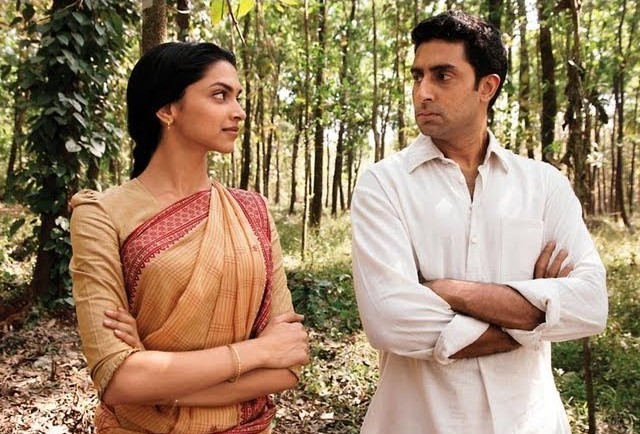
Two notable Hindi feature films are based on the life and revolutionary activities of Masterda Surya (Surjo) Sen and the 1930 Chittagong Armoury Raid. In Khelein Hum Jee Jaan Sey (2010), directed by Ashutosh Gowariker, Abhishek Bachchan played the role of the Bengali freedom fighter. Chittagong (2012), directed by Bedabrata Pain, starred Manoj Bajpayee as Masterda Surya Sen, in the historical drama focusing on the teenage freedom fighter, and his network of fiery insurgents.
Usha Mehta
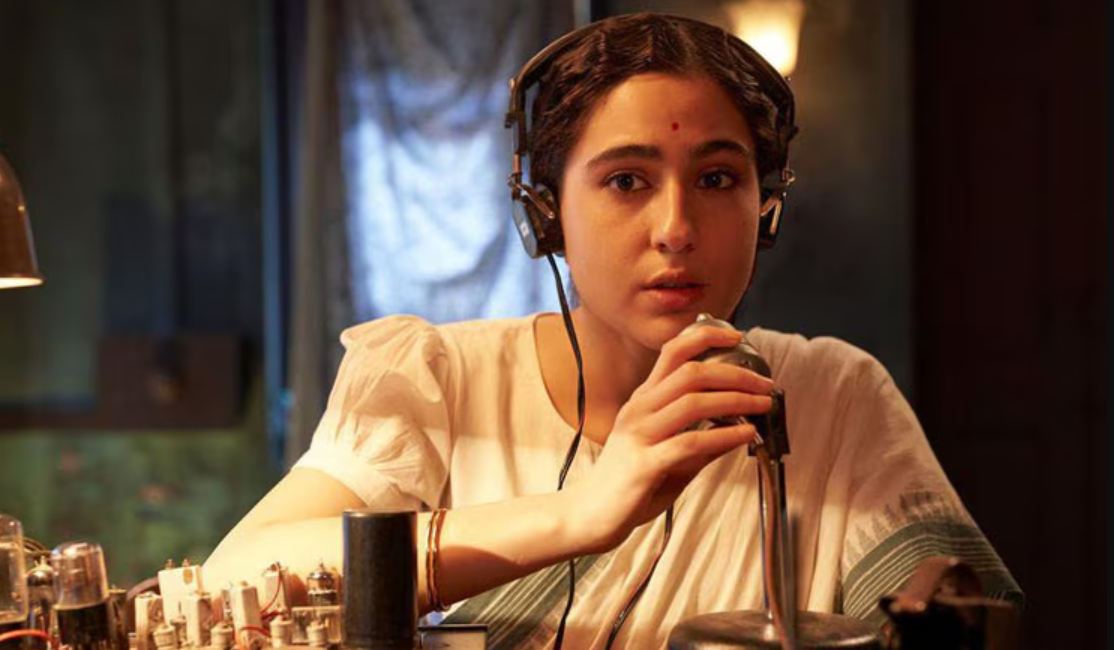
Directed by Kannan Iyer, Ae Watan Mere Watan, picked up a true story of freedom fighter Usha Mehta, who braved the wrath of the British, and ran an underground radio station, broadcasting the news that the white rulers would not allow. Sara Ali Khan was miscast as Usha Mehta, but a tribute needed to be paid to the brave woman, whose courage gave impetus to the struggle to overthrow colonial rule.