







How redevelopment gives communities a second chance, writes Prabhakar Mundkur
When I first began contemplating the redevelopment of our 52-year-old society, I was well aware of the challenges. About 70% of our members were senior citizens, many over the age of 70. I knew this would be the toughest group to convince on why we need redevelopment. Also they would be the most inconvenienced. Fortunately, being in my seventies myself, I could truly empathise with their hesitation and their deep attachment to the place we had all called home for so long.
But what stared me in the face was an undeniable truth; our old building was in a constant state of disrepair. Leaking walls and terraces, shifting tiles that created uneven floors I often stumbled on, and 50-year-old lifts that broke down regularly.
Like most buildings of that vintage, we had reached a stage where repairs were merely cosmetic – temporary fixes for much deeper problems.
The Hidden Problems Beneath the Surface
While some external issues can be managed with repairs, the real trouble lies inside the structure — in the places we can’t easily see or reach.
- Galvanised Iron (GI) pipes, used in the 1970s for their supposed durability, have long since corroded. These pipes, embedded in walls and slabs, rust from the inside, reducing water flow and discolouring the water. Replacing them means breaking through walls — an expensive and messy affair.
- Reinforced concrete (RCC) deterioration is another serious concern. Moisture seeps through cracks and corrodes the steel reinforcement bars. Once corrosion begins, it expands, cracks the concrete further, and weakens the structure. You can patch cracks, but you can’t reverse corrosion.
- Column and beam fatigue sets in after decades of load stress, heat, and moisture, making the concrete brittle.
- Foundation settlement can also occur difficult and prohibitively expensive to correct. At least one of our buildings seemed to be sinking into the soil purely from visual markers.
Many tend to over-rely on structural audits. But no structural engineer is really willing to stick his neck out. At the most he will give you the mandatory C3 rating which means the building is in need of repair but there is no need to evacuate. But if you ask him to give you a formal report saying your building is good for another 20 years, he will refuse because he wouldn’t like to put his professional reputation at risk. Any engineer’s prime concern would be that should anything untoward happen to the building during the ‘Certified to be Safe Period’ he would be held guilty of ‘professional misconduct’ and be liable to be prosecuted. At the most he may give you an informal ‘the building should last another ten years’ verbally but he will never put it down in writing. This is no consolation for society members.
Our society faced a tough choice: spend enormous sums on repairs that might not last a decade, or rebuild and secure the next 50 years. For most members, repairs of that magnitude were simply unaffordable.
When Property Value Starts to Fall
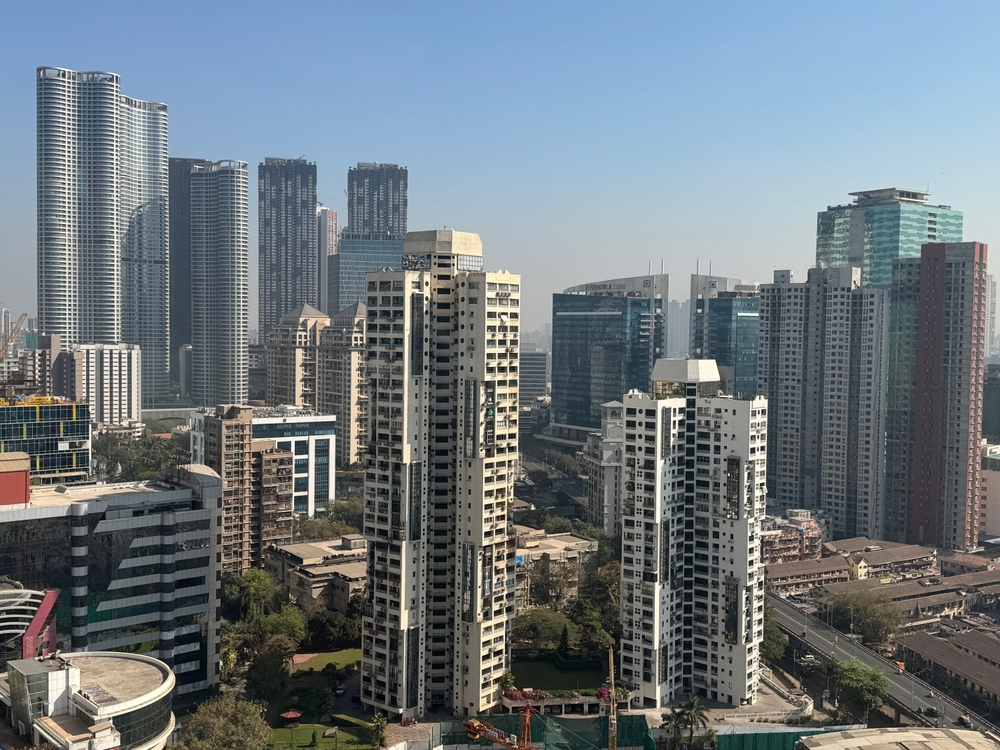
Another reality that could not be ignored was the falling value of our flats.
A home that once sold for ₹3.5 crore a decade ago was now fetching barely ₹2.8–3 crore. Flats that were earlier being rented at Rs 80,000 a month had now dropped to Rs 60,000 per month. This is inevitable — as a building ages, both its rent and resale value decline rapidly over time..
In effect, all our members were sitting on depreciating assets. Redevelopment was not just about better living it was also about protecting the economic value of our homes, which for most of us represented a lifetime’s savings.
The Senior Citizens’ Dilemma
Much has been written about the displacement of senior citizens during redevelopment. My friend Nagesh Alai made that point eloquently in last month’s issue of Seniors Today. And yes, it’s true. Moving house as you grow older is never easy.
But it’s also important to recognize that not all seniors are equally affected.
There are two broad groups:
- Parents who live with their children or have them in the same city. They can absorb the transition better, thanks to family support.
- And parents like me, whose children live overseas. For us, moving homes and managing independently for 4–5 years is harder — but it is not impossible.
Technology has softened this blow immensely. My wife initially missed her favourite grocer in Prabhadevi but soon, Instamart, Blinkit, Amazon Fresh, and others filled the gap. My old Prabhadevi chemist still sends my medicines via WeFast to Parel where I now live and he absorbs the cost. In time, you learn to rebuild your routines just like you will eventually rebuild your home.
Any change is difficult because it forces us to step out of the familiar and into the unknown. What we know, our routines, habits, and environment gives us comfort and control, even when they’re imperfect. Change disrupts that balance. It challenges our sense of stability, exposes uncertainties, and demands that we adapt often before we feel ready. Whether it’s a new way of living, working, or thinking, every change involves a small letting go of what was, and that process can feel unsettling. Yet, it is through this discomfort that growth, renewal, and progress quietly take root.
The Upside of Redevelopment
Now let’s look at what redevelopment truly offers, the renewal it brings.
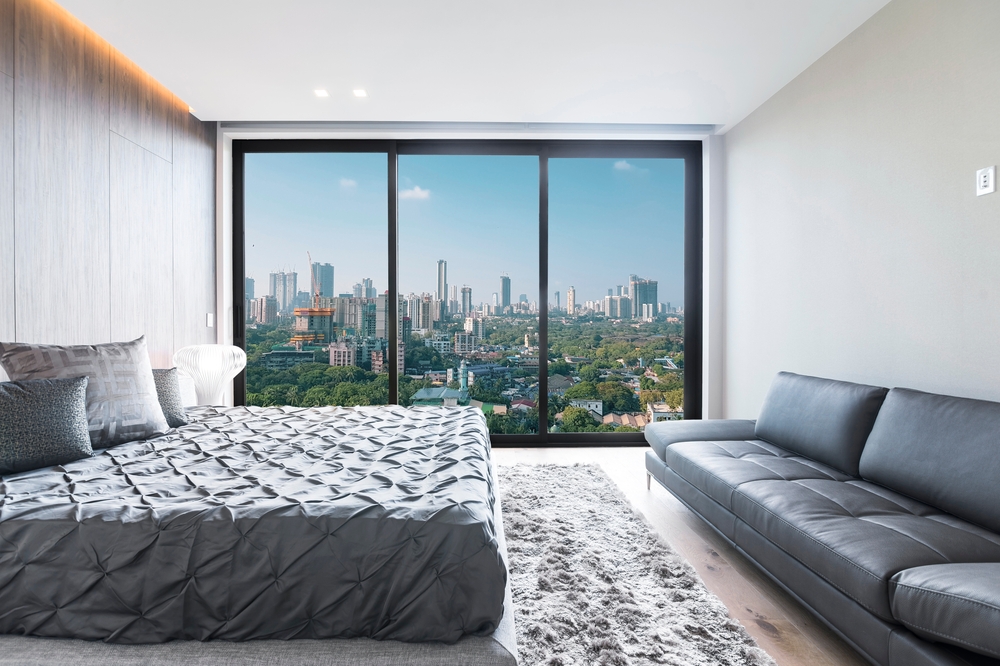
Firstly, your apartment’s value is likely to double or triple once the building is redeveloped. You’re not just rebuilding a home; you’re leaving your children a stronger, more valuable legacy, an asset they’ll be proud to own, not an old flat with damp walls and fading plaster which they are not really interested in and are likely to see as a burden.
Then comes the transformation in lifestyle. Modern buildings come with amenities we never imagined ; swimming pools, gyms, jogging tracks, gardens, community halls, security systems, and proper parking.
If having an oven, a dryer, or a dishwasher once seemed like a distant dream, redevelopment makes it all possible along with a home that’s spacious, safe, and future-ready.
The hardship allowance and the rent which typically is large enough for you to live in the same area but in another flat while your new building is constructed, are mitigating factors that help you resettle.
In the End, Renewal Is Not Loss
Redevelopment is not about erasing the past. It’s about carrying it forward, in a stronger form. It’s about ensuring that our memories have a safe, beautiful space to live in, and that our community continues to thrive, not just survive.
Old buildings, like old families, have stories in their walls. Redevelopment doesn’t destroy those stories. It simply gives them new walls to live in.
Many people ask me about the risk involved in redevelopment. My reply to them is that there is a risk involved in everything we do, including crossing the road!
The writer, a veteran advertising profession, musician and commentator, is Secretary of a Mumbai-based cooperative housing society