






A stroll through forgotten restaurants awaken vivid memories in the hearts of those who once ate there, writes Vickram Sethi
There was a time when food in the city was not about Instagram posts, Michelin stars, or delivery apps. It was about flavours that lived on long after the last bite, about conversations that stretched over simple meals, and about restaurants that became an extension of one’s living room. Walk through the lanes of memory and you will find an entire culinary map of places that no longer exist, but still live vividly in the hearts of those who once ate there.
Take Churchgate, for instance. It was home to Gourdon, a name whispered fondly even today by those who tasted its soups. They were amongst the first to introduce the city to the French baguette, served alongside chicken and mutton mayonnaise sandwiches, and that classic Russian salad sandwich that seemed impossibly sophisticated in those days. On the same street, the aromas shifted from continental to Gujarati. Purohit served hot puris with shrikhand, hearty curries, and a homely Gujarati thali. There was a claim that the meals were presented in silver thalis; the truth, of course, was that they were polished EPNS. But who cared when the food was so comforting?
A short stroll down the road led to glamour. The legendary Talk of the Town was the place where music and romance mingled with dinner. A live band, a crooner singing love songs, couples swaying on the dance floor—it was elegance personified. That very spot today is Jazz by the Bay. Perhaps a little less refined, but still full of life. Even now, there is always a queue outside, proof that the spirit of the old haunt still lingers.
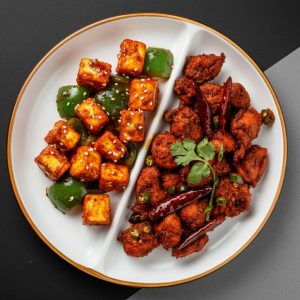
Across the street stood Kamling, a “Chinese” restaurant that, paradoxically, was owned and run by Punjabis. They took Chinese cuisine and gave it a sharp Indian twist, creating dishes that have since become staples across the country. Their buffet lunches were affordable, filling, and wildly popular. The chilli chicken and chilli paneer that dominate Punjabi weddings today owe much to Punjabi caterers. Punjabi’s have re-invented their Chinese cousin with their chilly paneer and chilly chicken.
And then there was Bombellies, the Swiss restaurant that stole many hearts. It was known for its steaks, but it was the pastries that drew crowds, particularly the chocolate profiteroles—the first of their kind in the city. On weekends, their Warden Road branch came alive with music. That space is now Amarsons, but at the time it was a beloved institution run by a Swiss couple and their Parsi partner. When the Parsi gentleman passed away, the couple quietly wound up operations, leaving a void that was never filled.
The Parsi Touch
Bombay’s Parsi and Irani eateries shaped its food culture, yet many of them have now vanished. One shining example was the Time and Talents Club. Run by Parsi ladies, it was best known for its Wednesday dhansak—rich, flavoursome, and cooked with the warmth of home. Recently, I tried dhansak at the Ripon Club and left disappointed. It only reminded me of how good the Time and Talents Club truly was. Located opposite the Taj Mahal Hotel, it had an enviable spot. By Wednesday afternoons, the place was full of Taj managers, and by half-past two, the food would run out.
Breakfast there meant akuri on toast, creamy and comforting, while teatime was about delicate sandwiches. It wasn’t just a restaurant; it was a charitable organisation where Parsi women served food with sincerity and pride. Today, that location is occupied by the Atomic Energy Commission and the Navy, but in memory, it still smells of fried onions and fresh coriander.
Another Parsi gem, the Horseshoe on Colaba Causeway, is now Delhi Darbar. Famous for its Swiss roll, lemon tarts, and cutlets, it was a favourite spot for takeaways. The Caravan, possibly Tata-owned, stood proudly in the Sterling Cinema building opposite Bombay Gymkhana. That space has since transformed into Royal China, but its memory lingers.
Food Beyond the Plate
The old Excelsior Cinema was more than just a theatre; it had a restaurant that served sizzlers both vegetarian and non-vegetarian, keeping the office crowd well-fed. A common Parsi caterer supplied refreshments to Regal, Eros, Empire, and Strand theatres—orange and pineapple drinks in reused plastic bottles, samosas, chicken puffs, and sandwiches. Predictable, yes, but loved all the same.
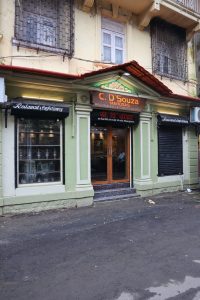
Marosa on Bazaar Gate Street was another favourite, with patties, chops, pastries, and French fries filling its menu. Bastani on Marine Street offered something strikingly similar, yet each had its own following. George on Apollo Street became famous for its biryani—though, truth be told, it leaned more towards pulao. Still, it was popular with lawyers and share brokers who needed quick, filling meals. Nearby, Bristol Grill drew its own loyal office crowd.
On Dadabhai Naoroji Road, Bristo combined Punjabi food with evening live music, while La Bella, opposite Bombay University, was the tea haunt of lawyers. Today, a Fab India store occupies that site, but for many years it was a place where legal debates were argued not only in courts but also over endless cups of chai.
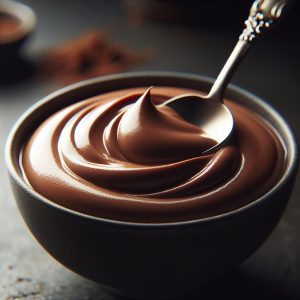
For puddings and soufflés, there was the beloved Wayside Inn. Their menu featured fish and chips, soups with fresh bread rolls, and desserts like bread-and-butter pudding, lagan nu custard, and a chocolate soufflé that could brighten anyone’s day. Regulars had their own reserved tables, a mark of the café’s intimacy with its patrons. Paradise Café in Colaba, too, was legendary for its dhansak, chicken rolls, and mutton hamburgers before it eventually shut down when its owner retired.
Chinese Beginnings
My own introduction to Chinese food came at Nanking, just across from the Gateway of India. Run by the Ling family, it was a place where prominent families dined, and where my father was a regular. The Chinese community in Bombay were remarkable entrepreneurs—not only did they run restaurants, they also catered for private parties. And if one business failed, they turned to others: hairdressing, shoemaking, tailoring. Their adaptability was admirable, and their food became a cherished part of the city’s fabric.
A Dash of Glamour
The city also flirted with cabaret. The Blue Nile on New Marine Lines, owned by a Sindhi restaurateur, stood out with its Egyptian-inspired gold and blue interiors. There was also Kabab Corner at the Natraj Hotel. Cabaret dancers like Salomé Roy Kapoor and Tamiko became household names, their performances adding sparkle to Bombay’s nightlife.
By the 1970s and 80s, discos had arrived. Hell at Worli, the Taj’s flamboyant Blow Up, and The Oberoi’s Celler drew the younger crowd. The place called Slip Disc, near Radio Club, was especially popular with the gay community, while Studio 29 in the Marine Plaza attracted the younger crowd. Affordable and fun, it became the go-to place for many. Another spot, Bullock Cart near Kala Ghoda, kept the lights dim, the music loud—a perfect setting for a tight cuddle.
Samovar: A Soulful Goodbye
Of all the places that have disappeared, the one I miss the most is Samovar. Nestled in the Jehangir Art Gallery, it wasn’t glamorous, nor did it boast a fancy menu. Yet it was the soul of the gallery, serving canteen-like food under the spirited leadership of Usha Khanna. Artists, collectors, students, and office-goers sat elbow to elbow, united by affordable meals and endless conversations.
Samovar was more than a café—it was a cultural hub where ideas were exchanged as freely as cups of tea. Its closure, brought about by bureaucratic indifference and the questionable decisions of an incompetent secretary who sought to extend her own tenure, felt like a betrayal. They should have saved Samovar; and sacked her instead.
A Taste That Lingers
Looking back, these restaurants were not just places to eat; they were places to belong. They were witnesses to first dates, business deals, hurried lunches, and leisurely Sunday outings. Each name—Gourdon, Purohit, Talk of the Town, Kamling, Bombellies, Time and Talents, Horseshoe, Nanking, Samovar—carries with it a memory, a taste, a fragment of the city’s past.
The doors may have shut, the neon lights dimmed, and the menus forgotten, but the flavours linger. They live on in nostalgia, in storytelling, and in the quiet joy of knowing that once upon a time, we had the privilege of eating differently.