






Why is it the stray dog that provokes such raw emotion, asks Vickram Sethi
The Supreme Court’s recent ruling on stray dogs has set the cat amongst the pigeons. WhatsApp groups are in uproar, resident associations stand divided, and petitions are flying about with astonishing speed. And yet, the sheer intensity of it all leaves me somewhat perplexed. In a society that often shrugs its shoulders at the plight of migrant workers trudging barefoot for miles, or the brutality inflicted upon women in broad daylight, why is it the stray dog that provokes such raw emotion?
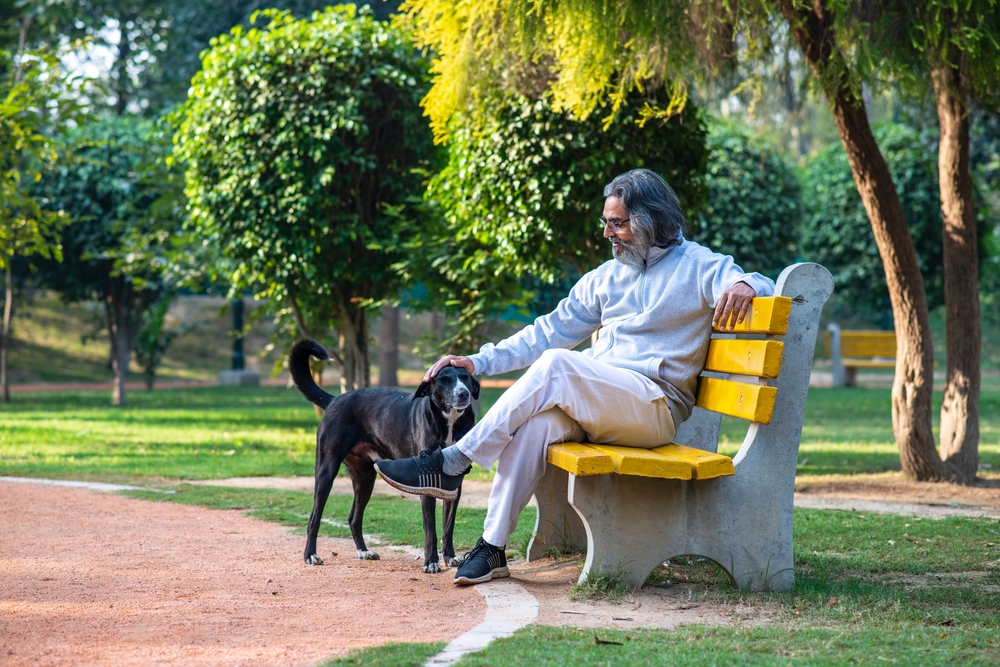
For many of us, dogs are not merely animals. They are companions, confidants, and often treated as members of the family. We call ourselves “dog parents,” celebrate their birthdays with cakes, and take them for massages at pet spas. There is something unmatched about the devotion of a dog. Their love is absolute, unconditional and unwavering. It is touching — though also revealing — that we find it easier to invest in the loyalty and innocence of our dogs than in one another. The differences that we are talking of stray dogs and not pets.
It is a simple, familiar pleasure: to step out of one’s home, take a short stroll to the nearby park, and sit under a tree listening to the chatter of birds while the world goes by. Parks, in so many ways, are sanctuaries of calm in our increasingly noisy, hurried lives. They are the places where one can walk, stretch, talk to neighbours, or simply watch children play. Yet, recent reports of so-called “killer dog” attacks in suburban parks have sent a ripple of unease through communities. What was once considered a haven is now under a shadow of doubt. The question that arises, particularly for those of us who depend on parks for exercise, companionship and a sense of routine, is this: are our parks still safe?
It would be unfair to begin any such reflection without acknowledging the deep affection many hold for their dogs. Pets are, for countless families, beloved companions who bring warmth and cheer. Their presence in parks is almost as old as parks themselves, with many treating open green spaces as the ideal environment for their dogs to run, play, and socialise.
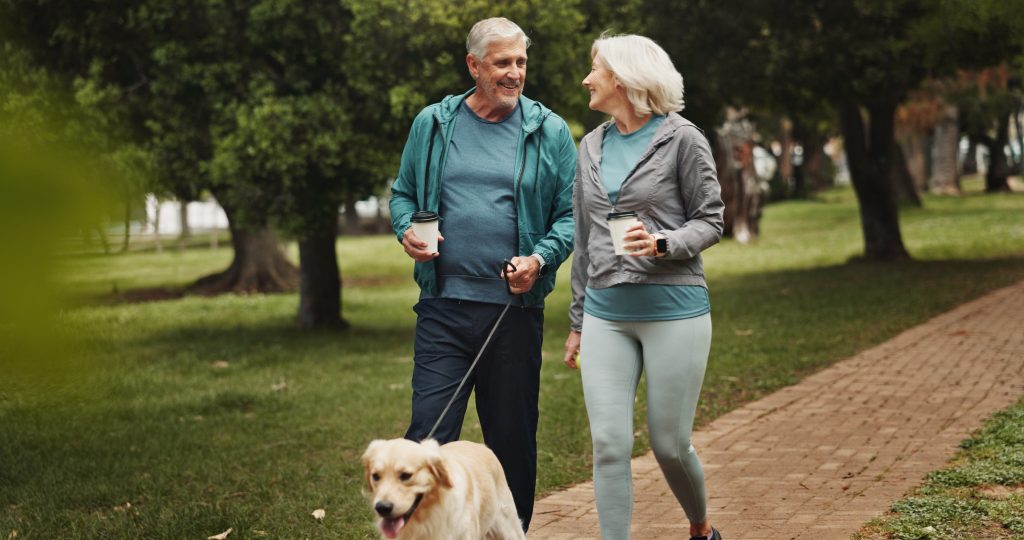
For years, parks have been places where two communities — the walkers and the pet owners — co-existed. A friendly nod between an early morning stroller and a dog-walker, perhaps a few words exchanged about the weather or the health of the dog, are small but meaningful social moments.
For those who remember parks as tranquil, welcoming spaces, the sense of menace is more than just physical. It can feel like a betrayal of trust. Parks are not merely recreational grounds — they are emotional anchors. Losing the freedom to walk in them is not unlike losing access to a dear friend.
Research in recent years has repeatedly highlighted the importance of green spaces for mental wellbeing, especially in later life. They provide social interaction, routine, a sense of belonging, and relief from the confinement of indoors. To deprive people of this, even indirectly through fear, is a quiet but significant harm. (Then again we are talking of stray dogs not pets.)
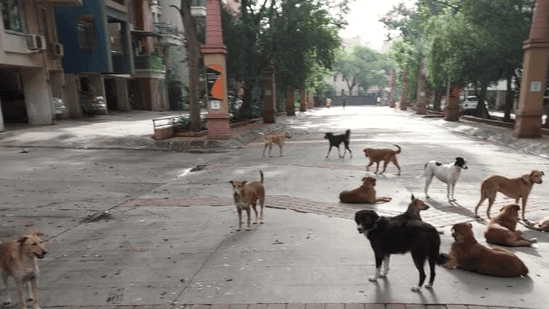
Yet, as recent incidents show, the balance is fragile. A handful of unfortunate attacks by aggressive dogs have disrupted the sense of security. When the words “killer dog” appear in the headlines, it is not merely an isolated event; it strikes at the heart of our shared confidence in the places we frequent.
Yet, step into a dimly lit street at night, chased by a snarling pack, and the story feels very different. I recall, years ago, trudging through the Delhi winter dawn to catch an early flight, heart pounding as aggressive strays snapped at my heels. Parents send their children off to school with sticks for protection. Delivery riders tell tales of being bitten on staircases, whilst residents upstairs throw down biscuits in kindness. For older folk, the chorus of barking through the night is less of a lullaby and more of a sentence of sleeplessness.
There are the good Samaritans who will collect bones and meat from the butcher cook it and walk the street distributing this largesse to all the strays on the roads. What this wonderful person doesn’t realise that these dogs carry diseases, poo and pee on people’s door steps, tear their morning papers, even puncture the milk pouches.
To those who endure such encounters, the passionate defence mounted by dog lovers can feel insensitive. Behind their irritation lies a broader sense of exasperation: stray dogs, for them, are symbolic of a city losing control. We struggle to manage traffic, waste and sewage — and now, not even our streets. Feeding ten strays outside one’s gate may feel like an act of compassion to some, but to others it is little more than disorder disguised as virtue.
For those in their later years, this issue is not abstract policy—it is lived reality. It touches the quiet morning walk, the safety of grandchildren, the serenity of one’s own doorstep. And yet, it also touches the heart, for few can ignore the sight of a hungry, shivering creature at the corner of the lane.
To humanise the challenge is to admit that both compassion and caution are essential. A city without kindness is a harsh place indeed; a city without order is an unsafe one. If we can weave the two together, we may yet find mornings where the milk pouches remain unpunctured, the newspapers unshredded, and the strays cared for in ways that do not threaten but enrich our common life.
In the end, a park is not about dogs or people alone — it is about harmony. It is about being able to hear the laughter of children, the rustle of leaves, the friendly bark of a dog, all woven together without threat or fear.
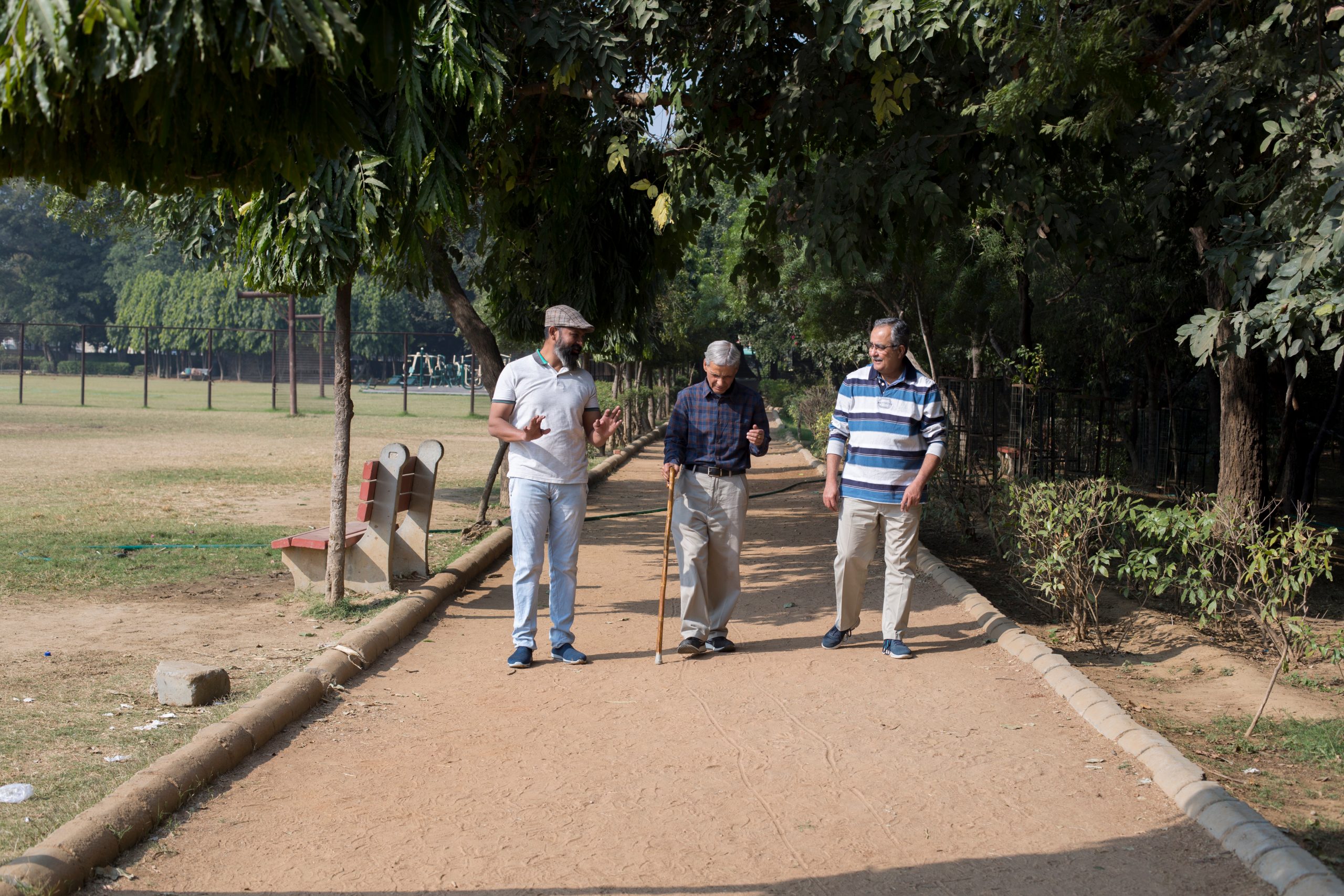
For those of us who walk slowly now, perhaps leaning on a stick, or pausing more often to catch our breath, the park is more than an open field. It is freedom. It is continuity. It is the assurance that life, though changing, still has simple joys to offer.
Let us not allow fear to rob us of this gift. Let us, instead, work together — walkers, dog owners, neighbours, and friends — to restore safety, courtesy, and warmth to the places that sustain us.
Because when a park ceases to feel safe, it is not only about dogs; it is about the erosion of one of life’s most accessible and universal comforts.
And that is a cost too high to bear.