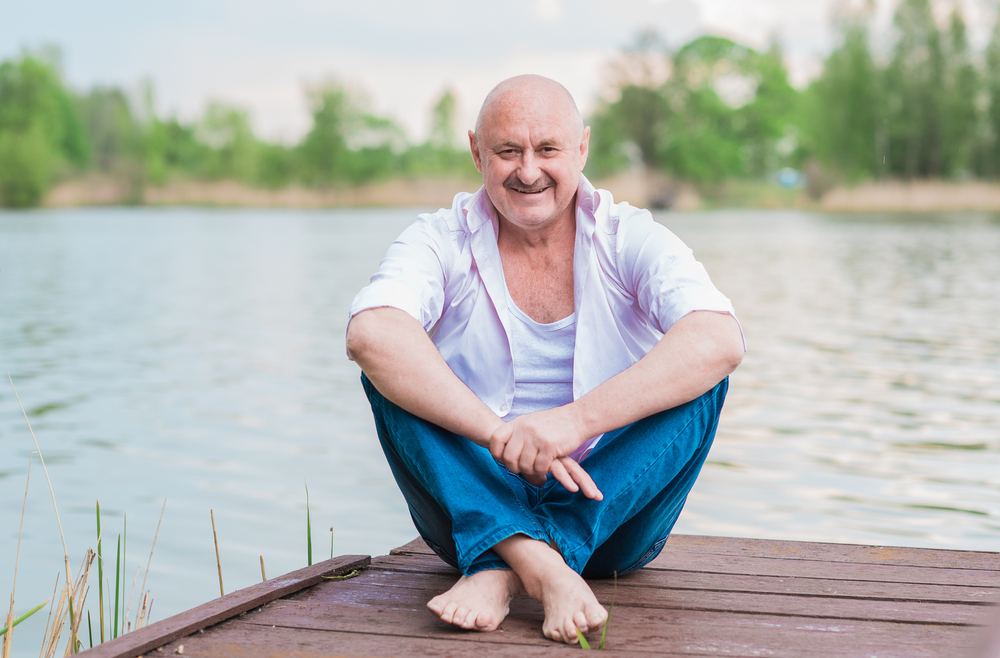







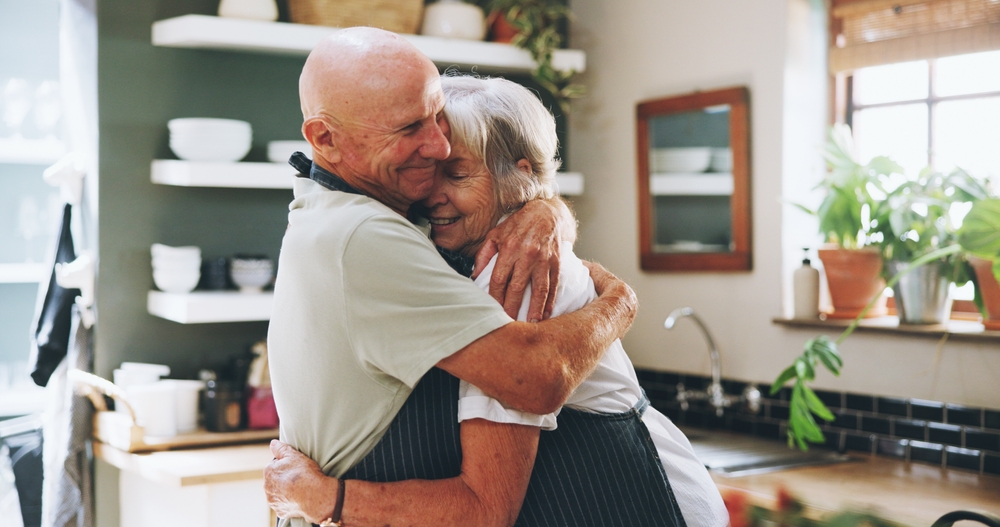
Love deepens with time. It becomes less about passion and more about presence.
An elderly couple sits together every afternoon, not talking much, just sharing tea. When asked if they ever get bored, the husband laughs, “After fifty years, silence is our favourite conversation.” Love is showing up. Love is remembering birthdays, forgiving old arguments, and letting go of who someone used to be so we can appreciate who they are now.
We grow love by reaching out, by staying connected, and by allowing ourselves to be vulnerable—even now
Love and Ageing — What Science Shows
Scientific studies consistently show that love—whether experienced through close relationships, family ties, friendships, or affectionate connection—has powerful benefits for older adults’ health and well-being. Emotional bonds provide security, meaning, and support, all of which help buffer stress and improve quality of life.
Research finds that seniors with strong, loving relationships tend to experience lower levels of depression and anxiety, better immune function, and even reduced risk of cardiovascular problems. Close connections also promote healthier lifestyle habits, such as regular physical activity and better sleep, which in turn support overall health.
Social love—not just romantic love—builds resilience by reducing feelings of loneliness and fostering a sense of belonging. Studies show that older adults who feel loved and connected are more likely to report higher life satisfaction and greater emotional stability.
Loving yourself is equally important in the equation of love, so learn to do so as kindly as possible.
In simple terms, science suggests that love keeps the heart and mind healthier as we age, helping make later life not only longer, but richer, more connected, and deeply human.
We wish you pure love in 2026!