






His work remains a masterclass in emotional intelligence, cultural fluency and narrative integrity.
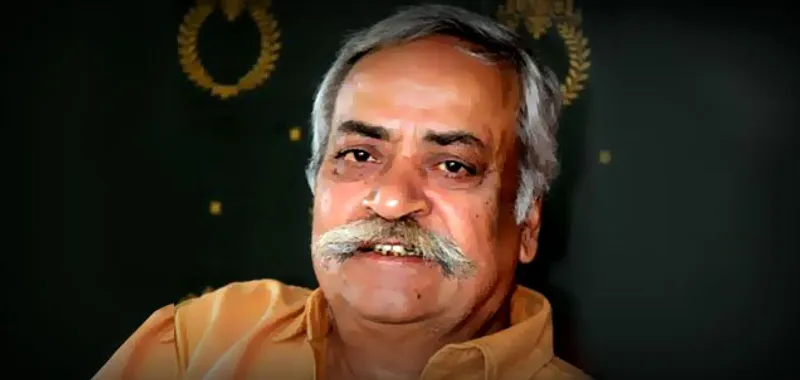
In the passing of Piyush Pandey, India has lost not just an advertising legend, but a cultural architect whose work shaped the emotional grammar of a nation. For over four decades, Pandey didn’t just sell products, he sold stories, values and identities. His campaigns didn’t shout; they sang. They didn’t manipulate; they moved.
From the energy of ‘Chal Meri Luna‘ to the adhesive wit of Fevicol to the celebratory innocence of Cadbury’s ‘Kuch Khaas Hai’, Pandey’s work was never merely clever. It was deeply human. He gave voice to the everyday Indian, not as a target audience but as a protagonist. His ads were not interruptions; they were invitations to feel, to remember, to belong.
At a time when Indian advertising was still mimicking Western tropes, Pandey insisted on looking inward. He drew from local idioms, street humour and familial warmth to craft narratives that felt lived-in. His work for Asian Paints (Har Ghar Kuch Kehta Hai) and Vodafone didn’t just win award, they became part of our collective memory.
In today’s era of algorithmic targeting, influencer churn and data-driven optimisation, Pandey’s legacy reminds us of something timeless: creativity is not a metric—it’s a mirror. Modern advertising often trades empathy for efficiency, virality for value. Pandey’s work remains a masterclass in emotional intelligence, cultural fluency and narrative integrity.
Farewell, Piyush Pandey. You didn’t just change the way we advertise. You changed the way we feel.
By Arrangement with MxMIndia.com