







The arrival of the monsoon is a welcome relief after months of scorching heat. The cooler weather, the earthy smell of rain and the temptation of hot comfort food make it one of the most enjoyable seasons of the year. Yet, it is also the time when your digestive system faces some of its biggest challenges.
Humidity encourages the growth of bacteria, viruses and fungi. Water contamination becomes more common, fresh produce may carry more microbes, and digestive infections increase. If you are older, your gut may already be more sensitive because stomach acid production, digestive enzymes and the diversity of beneficial gut bacteria naturally decline with age.
The good news is that what you eat can make a significant difference. Choosing foods that nourish your gut microbiome, support digestion and strengthen immunity can help you stay healthy throughout the rainy season.
Why Your Gut Needs Extra Care During the Monsoon
Around 70 per cent of your immune system resides in and around your digestive tract. Your gut is home to trillions of microorganisms that help digest food, produce vitamins, regulate inflammation and protect against harmful bacteria.
Research over the past decade has shown that a diverse and healthy gut microbiome is associated with better immunity, improved metabolic health and even healthier brain function.
During the monsoon, however, several factors can disturb this delicate balance:
- Increased exposure to food- and water-borne pathogens
- Reduced physical activity, which slows bowel movements
- Greater consumption of fried and processed comfort foods
- Seasonal digestive infections
- Higher humidity that encourages bacterial growth
For older adults, whose immune systems may already be less responsive, maintaining a healthy gut becomes even more important.
Begin with Warm, Freshly Cooked Meals
Your digestive system generally copes better with freshly prepared food than leftovers during the rainy season.
Warm foods are not only comforting but also reduce the risk of bacterial contamination that can occur when cooked food is stored for long periods in humid weather.
Simple meals such as:
- Moong dal khichdi
- Vegetable soups
- Soft cooked rice with lentils
- Lightly spiced vegetable stews
- Idli with sambar
are easy to digest and provide energy without overloading the digestive system.
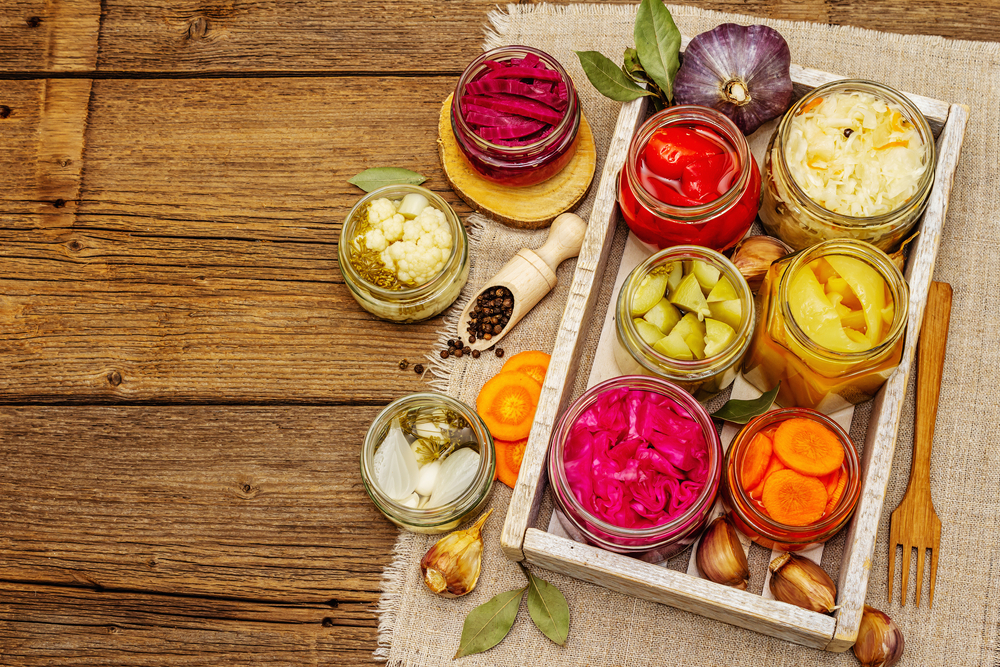
Fermented Foods: Friends of the Gut
Fermented foods introduce beneficial bacteria and support microbial diversity in your intestines.
Some excellent choices include:
- Fresh homemade curd
- Buttermilk
- Unsweetened yoghurt
- Traditional fermented batters used for idli and dosa
If you are taking antibiotics or recovering from diarrhoea, these foods may help restore healthy gut bacteria.
However, ensure dairy products remain properly refrigerated and consume them fresh. Avoid products that have been left at room temperature for long periods.
Fibre Feeds Your Good Bacteria
The beneficial bacteria in your gut thrive on dietary fibre.
Aim to include a variety of fibre-rich foods every day:
Whole grains
- Oats
- Brown rice
- Millets
- Whole wheat
Pulses
- Moong
- Masoor
- Chickpeas
- Rajma (in moderation if well tolerated)
Vegetables
Cooked vegetables are often easier to digest than raw salads during the monsoon.
Choose:
- Bottle gourd
- Pumpkin
- Ridge gourd
- Carrots
- Spinach
- Beans
Cooking also reduces the risk of consuming harmful microbes that may be present on raw produce.
Fruits That Support Gut Health
Fruit provides fibre, antioxidants and polyphenols that nourish beneficial gut bacteria.
During the monsoon, wash fruit thoroughly and choose varieties that can be peeled.
Good options include:
- Bananas
- Papaya
- Apples
- Pears
- Pomegranate
Papaya deserves special mention because it contains papain, an enzyme that may help protein digestion while being gentle on the stomach.
Bananas provide pectin, a soluble fibre that supports bowel regularity and may help during mild digestive upset.
Ginger: Nature’s Digestive Helper
Ginger has been used for centuries to ease nausea and improve digestion.
Modern research supports many of these traditional uses.
Ginger may help:
- Reduce bloating
- Speed stomach emptying
- Relieve indigestion
- Reduce nausea
Adding fresh ginger to tea, soups or vegetable dishes can be both soothing and beneficial.
Cumin, Fennel and Coriander
Indian kitchens are full of digestive spices that science increasingly supports.
Cumin
May stimulate digestive enzyme secretion and reduce gas.
Fennel
Contains compounds that relax intestinal muscles and may reduce bloating.
Coriander
Traditionally used to aid digestion and may possess mild antimicrobial properties.
These spices add flavour without increasing the digestive burden.
Prebiotic Foods: Feed Your Microbiome
While probiotics add beneficial bacteria, prebiotics feed the bacteria already living in your gut.
Excellent prebiotic foods include:
- Garlic
- Onions
- Leeks
- Oats
- Bananas
- Chicory root (where available)
Regular consumption helps beneficial bacteria produce short-chain fatty acids, which strengthen the intestinal lining and reduce inflammation.
Drink Enough Fluids
Many people drink less water during rainy weather because they simply do not feel thirsty.
However, dehydration can slow digestion and contribute to constipation.
Choose:
- Warm water
- Herbal teas
- Fresh soups
- Lemon water made with safe drinking water
- Coconut water from hygienic sources
Ensure drinking water is filtered, boiled or otherwise safe, especially after heavy rainfall.
Foods to Limit
Certain foods are more likely to upset the digestive system during the monsoon.
Try to reduce:
Deep-fried snacks
Pakoras, samosas and bhajiyas are seasonal favourites but excessive fried foods slow digestion and may worsen acidity.
Street food
Poor hygiene and contaminated water increase the risk of food poisoning during the rainy season.
Raw salads
Unless washed thoroughly with safe water and prepared hygienically at home, raw vegetables may carry harmful microorganisms.
Excess sweets
Large amounts of sugar may encourage unhealthy gut bacteria while adding unnecessary calories.
Highly processed foods
Ultra-processed foods often contain emulsifiers, artificial additives and low-quality fats that have been associated with reduced microbial diversity and increased intestinal inflammation in experimental studies.
Don’t Forget Protein
A healthy gut also depends on maintaining muscle and immune function.
Include easily digestible protein sources such as:
- Dal
- Paneer
- Curd
- Eggs
- Fish
- Chicken
- Tofu
Spread protein intake across your meals rather than eating it all at dinner.
Healthy Habits Matter Too
Your gut health depends on more than food.
Daily habits that make a difference include:
- Washing hands thoroughly before meals.
- Eating freshly prepared food whenever possible.
- Refrigerating leftovers promptly and reheating them thoroughly.
- Taking a gentle walk after meals.
- Sleeping seven to eight hours each night.
- Managing stress through meditation, breathing exercises or prayer, as chronic stress can alter the gut microbiome through the gut–brain axis.
Your digestive system works hard every day, but during the monsoon it deserves even more attention. Freshly cooked meals, fibre-rich vegetables, fermented foods, fruit, pulses, whole grains and traditional digestive spices can help support a healthier gut microbiome while reducing your risk of seasonal stomach infections.
Rather than relying on expensive supplements, your everyday kitchen already contains many of the ingredients that your gut needs. By making thoughtful food choices and maintaining good food hygiene, you can enjoy the beauty of the rainy season while keeping your digestion, immunity and overall health on a stronger footing.
Did You Know?
- Your gut contains around 100 trillion microorganisms, collectively weighing approximately 1–2 kilograms.
- The bacteria in your intestines produce short-chain fatty acids, which nourish the cells lining your colon and help regulate inflammation.
- Eating 30 or more different plant foods each week has been linked to greater gut microbiome diversity.
- Even a 20-minute walk after meals can stimulate intestinal movement and improve digestion.
- Many herbs and spices commonly used in Indian cooking—such as ginger, cumin, turmeric and fennel—contain plant compounds that may support a healthier gut microbiome.
Disclaimer: This article is for educational purposes only and is not a substitute for medical advice. If you have persistent digestive symptoms, inflammatory bowel disease, recurrent diarrhoea, or are taking medication that affects your gut, consult your healthcare professional before making major dietary changes.