






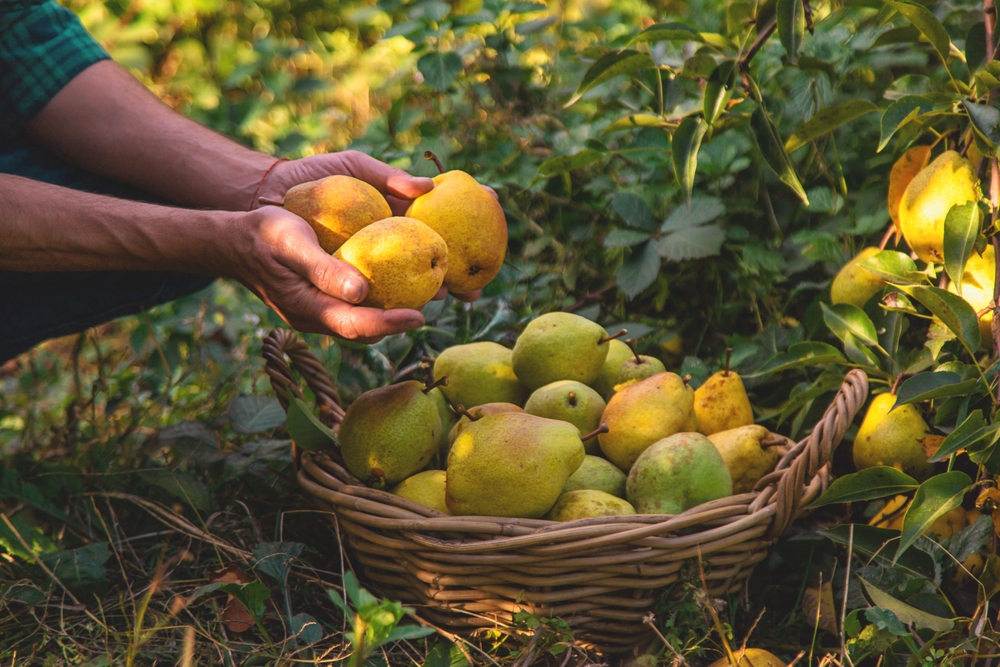
Crunchy, juicy and packed with science-backed health benefits, pears deserve a place on your plate
Apples may have stolen the spotlight, but pears quietly hold their own as one of nature’s healthiest fruits. Sweet without being overwhelming, easy to digest and rich in fibre, they have nourished people for thousands of years. Today, research is revealing that this modest fruit may help support everything from your gut microbiome to your heart and even your brain.
If you’ve been overlooking pears in favour of apples, bananas or mangoes, it may be time to give them another look.
A Fruit That’s Mostly Water—But Rich in Nutrition
A medium-sized pear contains only about 100 calories while providing an impressive nutritional package.
It offers:
- About 5–6 grams of dietary fibre
- Vitamin C
- Vitamin K
- Potassium
- Copper
- Natural antioxidants
- Around 84% water, making it naturally hydrating
Unlike processed sweet snacks, pears deliver natural sugars wrapped inside fibre, vitamins and hundreds of beneficial plant compounds.
Your Gut Loves Pears
One of the biggest reasons scientists admire pears is their fibre.
Nearly half of a pear’s fibre comes from pectin, a soluble fibre that acts as food for beneficial gut bacteria.
Your gut microbiome plays an important role in:
- immunity
- digestion
- reducing inflammation
- producing certain vitamins
- even influencing mood and memory.
When gut bacteria ferment pectin, they produce short-chain fatty acids such as butyrate. These compounds help nourish the cells lining the colon and reduce inflammation throughout the body.
Think of pears as fertiliser for your internal garden.
Pears and Constipation: Nature’s Gentle Remedy
Many people experience slower digestion as they grow older due to reduced physical activity, medications or lower fluid intake.
Pears contain two natural compounds that help.
The first is their high fibre content.
The second is sorbitol, a naturally occurring sugar alcohol that gently draws water into the bowel, helping soften stools.
Unlike harsh laxatives, pears work gradually and naturally.
Eating the fruit with its skin provides the greatest digestive benefit because much of the fibre lies just beneath the peel.
Surprisingly Friendly for Blood Sugar
Despite tasting sweet, pears have a low Glycaemic Index (GI) of around 38–42.
This means they release glucose slowly into the bloodstream.
Their combination of fibre and water slows digestion, helping prevent sudden spikes in blood sugar.
Several large population studies suggest that regularly eating pears and apples is associated with a lower risk of developing Type 2 diabetes.
For those living with diabetes, portion control still matters, but one medium pear paired with a handful of nuts makes an excellent snack.
Heart Protection in Every Bite
Heart disease remains one of India’s leading health concerns.
Pears support cardiovascular health in several ways.
Their soluble fibre helps reduce LDL (“bad”) cholesterol by binding cholesterol in the digestive tract.
Potassium helps regulate blood pressure by balancing sodium levels.
Their antioxidants help reduce oxidative stress that damages blood vessels.
Some of the deepest-coloured pear varieties contain anthocyanins—pigments linked with improved blood vessel function.
It’s a simple example of how everyday foods quietly protect our bodies over time.
Pears May Help Calm Inflammation
Chronic low-grade inflammation has been linked with arthritis, heart disease, diabetes, Alzheimer’s disease and many age-related conditions.
Pears contain a range of plant chemicals including:
- flavonoids
- chlorogenic acid
- catechins
- carotenoids
These antioxidants help neutralise harmful free radicals produced during normal metabolism and environmental stress.
While no single fruit is a miracle cure, regularly eating antioxidant-rich foods contributes to a healthier inflammatory balance.
A Friend to Your Waistline
Because pears are rich in water and fibre, they are remarkably filling.
The stomach stretches, hormones signal fullness and hunger subsides naturally.
Research consistently shows that people tend to eat fewer calories later in the day after consuming whole fruits rather than fruit juices.
A pear eaten before lunch may help reduce overall calorie intake without feeling deprived.
The Brain Benefits Too
Healthy blood vessels mean better blood flow to the brain.
The antioxidants found in pears may help reduce oxidative damage associated with cognitive ageing.
Meanwhile, maintaining healthy gut bacteria through fibre may influence what’s known as the gut-brain axis—the two-way communication network between your digestive system and brain.
Scientists continue to explore this fascinating connection, but evidence increasingly suggests that what feeds your gut also influences your brain.
Should You Eat the Skin?
Absolutely—provided the fruit is washed thoroughly.
The skin contains much of the pear’s:
- fibre
- antioxidants
- flavonoids
- polyphenols
Peeling removes a significant portion of these valuable nutrients.
Buying seasonal pears and washing them well under running water is usually sufficient.
Indian Pears Deserve More Attention
India grows several excellent pear varieties, particularly in Himachal Pradesh, Jammu & Kashmir and Uttarakhand.
Popular varieties include:
- Patharnakh
- Bartlett
- Punjab Beauty
- Baggugosha
Fresh local pears are often harvested closer to ripeness than imported fruit, meaning better flavour and potentially higher nutrient levels.
Choosing seasonal, locally grown produce also reduces food miles, making it a more environmentally friendly choice.
Easy Ways to Enjoy Pears
Pears are wonderfully versatile.
Try them:
- sliced over porridge
- with Greek yoghurt and cinnamon
- in green salads with walnuts
- alongside cheese
- blended into smoothies
- baked with oats and almonds
- chopped into fruit chaat
- added to overnight oats
Avoid heavily sweetened canned pears whenever possible.
Whole fresh fruit remains the healthiest option.
Choosing and Storing Pears
Unlike many fruits, pears are usually picked before they fully ripen.
Leave firm pears at room temperature until the neck near the stem yields gently to pressure.
Once ripe, refrigerate them to slow further ripening.
The Quiet Champion
Pears may never be marketed as a superfood, yet they quietly tick almost every box for healthy ageing.
They nourish the gut microbiome, support heart health, aid digestion, help stabilise blood sugar, provide valuable antioxidants and keep you feeling satisfied—all in a naturally sweet, low-calorie package.
Sometimes the healthiest foods are not the exotic berries flown halfway around the world or the latest nutrition trend. They are the familiar fruits that have been growing in orchards for generations.
The humble pear is one such fruit. Sweet, simple and backed by science, it proves that good health often comes in the most unassuming package.
Did You Know?
🍐 Pears belong to the rose family, making them botanical cousins of apples, peaches, cherries, plums and even roses.
🍐 There are over 3,000 varieties of pears grown around the world.
🍐 A medium pear provides around 20% of your daily fibre requirement.
🍐 Pears ripen from the inside out, which is why gentle pressure near the stem—not the base—is the best way to judge ripeness.
🍐 Because they are rich in water and fibre, pears are among the most satiating fruits, helping you feel fuller for longer.