







As India’s elderly population increasingly embraces digital platforms, they are becoming prime targets for cybercriminals. The rise in online scams, phishing attacks, and financial frauds has made senior citizens particularly vulnerable due to their limited familiarity with digital security measures. Cybercriminals exploit their trust and lack of technical awareness, leading to significant financial and emotional distress.
Common Tactics Used by Fraudsters
Cybercriminals employ various deceptive tactics to exploit senior citizens, including:
– Phishing Scams – Fraudsters send emails or messages pretending to be from banks or government agencies, tricking seniors into revealing sensitive information.
– Telemarketing Fraud – Scammers use high-pressure sales tactics to convince seniors to purchase fake products or services.
– Fake Insurance & Medical Schemes – Fraudsters lure seniors with low-cost medical treatments or fake insurance policies.
– Digital Arrest Scams – Criminals impersonate law enforcement officials, falsely accusing seniors of crimes and coercing them into transferring money.
Real-Life Case Studies
- Bengaluru Scam – A 77-year-old woman lost ₹1.2 crore after scammers posing as telecom officials and crime branch officers falsely accused her of money laundering.
- Chandigarh Fraud – An elderly woman was tricked into transferring ₹72 lakh after being threatened with a fake digital arrest warrant.
- Mumbai Shopping Scam – A senior citizen lost ₹20,000 after clicking a fraudulent refund link for an online purchase.
Statistics on Cybercrime Involving Senior Citizens
Recent reports indicate a sharp increase in cybercrimes targeting senior citizens. According to a study:
– Cybercrimes against seniors surged by 86% between 2020 and 2022.
– The Reserve Bank of India reported that bank fraud cases involving seniors amounted to ₹41,000 crores in 2021-22.
– The National Crime Records Bureau (NCRB) highlighted that crimes against senior citizens rose by 9.3% in 2022, with a significant portion related to fraud and financial scams.
Preventive Measures for Seniors and Families
To safeguard against cyber fraud, seniors and their families should adopt the following measures:
Verify Calls & Messages – Always confirm unsolicited calls or emails by contacting the official organisation directly.
Avoid Sharing Sensitive Information – Never disclose OTPs, passwords, or banking details over the phone or internet.
Enable Multi-Factor Authentication – Strengthen security by activating two-step verification for banking and social media accounts.
Stay Educated – Participate in digital literacy programs to understand online threats and safe practices.
Report Suspicious Activity – Use official platforms such as the National Cybercrime Reporting Portal (NCRP) to file complaints.

Cybercrime Cell Initiatives for Senior Citizens
To support and educate senior citizens, various initiatives have been launched:
– HelpAge India Digital Literacy Programmes – Conducts workshops to teach seniors how to navigate the digital world safely.
– Cybercrime Reporting Portal – Provides resources for reporting cyber fraud and identifying scam tactics.
– Community Awareness Campaigns – Law enforcement collaborates with senior citizen associations to spread awareness and assist victims.
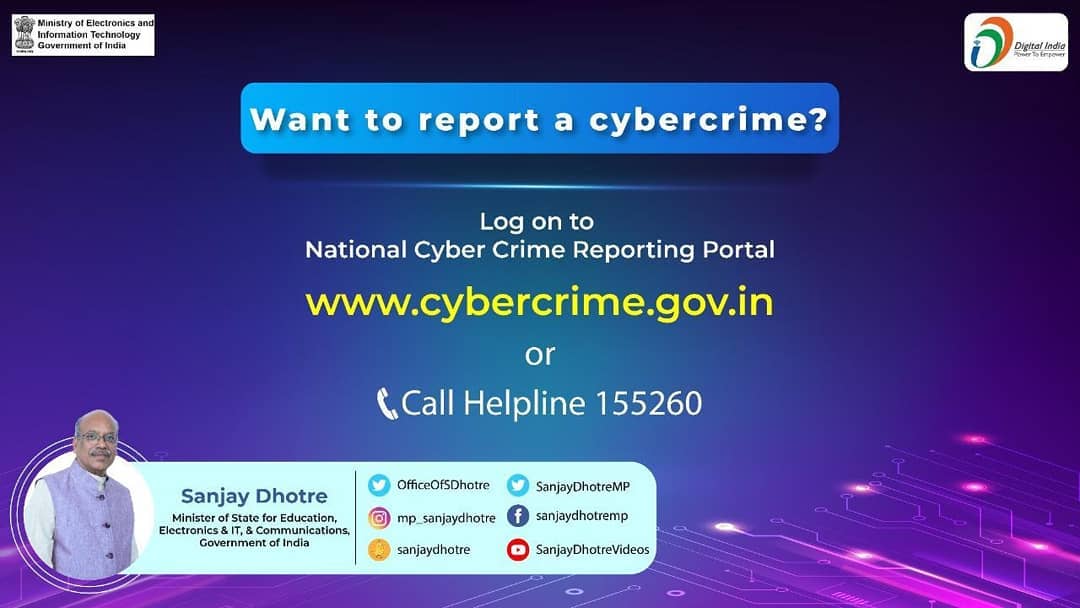
How to Report Cyber Fraud
Senior citizens and their families should promptly report any cybercrime incidents to the relevant authorities. Here are the official helplines and portals to seek assistance:
Cyber Crime Helpline: Dial 1930 for immediate support on financial cyber frauds.
Police Helpline: Dial 1945 for cybercrime-related assistance from law enforcement.
National Cyber Crime Reporting Portal: Visit https://www.cybercrime.gov.in to report frauds and access resources.
Maharashtra Cyber Crime Portal: Visit https://www.mhcyber.gov.in for state-specific cybercrime assistance.
Timely reporting can help prevent further losses and aid authorities in tracking scammers efficiently.
Conclusion
With cyber threats evolving rapidly, senior citizens must be equipped with the knowledge and tools to protect themselves online. Families, communities, and law enforcement agencies must work together to ensure a safer digital environment for the elderly. By staying informed and vigilant, seniors can confidently navigate the digital world without falling prey to cybercriminals.