







The real boss, the supreme ruler, is that small device sitting in your pocket, buzzing, vibrating, and firing off endless notifications, writes Harsh Goenka
If someone were to ask today, “Who runs your household?” the answer would come without hesitation – the mobile phone. Parents, grandparents, elders, all have their places of respect, but the real boss, the supreme ruler, is that small device sitting in your pocket, buzzing, vibrating, and firing off endless notifications. From the moment we wake up to the time we sleep, every thought, every feeling, every action is dictated by this glowing rectangle. Sometimes it’s our alarm clock, sometimes it’s a doctor with instant remedies, sometimes it’s a teacher for homework, sometimes it’s a boss barking orders, and sometimes even a lover whispering sweet nothings. This tiny gadget has become the very axis of our lives.
Once upon a time, the rooster woke us up. Today, the rooster is unemployed, or perhaps he too should download an app to stay relevant. Now the alarm rings, we press snooze, and our day begins not with brushing teeth but with checking WhatsApp messages. The day’s first dose of mood-setting comes from three sources: the older relatives’ “Good Morning” picture (sunrise with roses), the school mom’s complaints on the parents’ group, and an uncle’s forwarded lemon-water health tip. Without this morning ritual, even a glass of water feels incomplete.
And these “Good Morning Aunties” are truly remarkable. Rain or shine, before the sun rises, their pictures of flowers and deities arrive. If one day such a message doesn’t arrive, panic sets in: “Is she unwell? Did something tragic happen? Has the world ended?” It has become a digital ritual, without which both their mornings and ours feel empty.

Breakfast tables have changed too. Once families ate together, talking and laughing. Now every head is bowed, not in prayer but over a screen. One person scrolls news, another checks office mail, another swipes through social media. Eating now means spoon in one hand, phone in the other. At weddings, guests first fill their mobiles before their plates. Paneer or chole, whatever you eat doesn’t matter, as long as Instagram eats first.
At airports, the scene is even funnier. The crowd at charging stations rivals that which was once seen at ticket counters. People stand like devotees waiting for “prasadam”. Someone guards their charging spot as if guarding their life savings, while another pleads, “Bhaiya, two minutes please, I have a flight to catch.” This is the new social interaction: begging for a charging point. And because every video call is not on earphones, we all know what’s cooking for dinner in ten different homes.
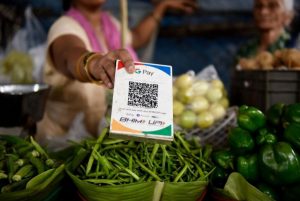
In markets, even the vegetable seller wields mobile power. Selling potatoes worth twenty rupees, he proudly declares “Pay by UPI.” Without a phone or network, you may return home hungry. At temples, bhakti is incomplete without a mobile “live stream”—“Jai Shri Ram, I’m here at the temple, giving you all darshan.” At weddings, while the priest chants mantras and the couple takes vows, guests are busy making Instagram reels. Living the moment has become less important than recording it.
The phone is now also our super-specialist doctor. A small cough? Straight to Google. By the time you finish scrolling WebMD, that cough has transformed into cancer. Fear isn’t illness; it’s what Google tells us about it. Even relationships haven’t been spared. Husband and wife no longer fight over children or expenses; the new battleground is messaging: “You were online, why didn’t you reply?” Screenshots are the new weapons of war, permanent evidence of digital crimes.
Children have also become victims of this revolution. Once children filled the streets playing cricket, football, hide-and-seek. Today, their laughter is replaced with the silence of screens. A child holding a book is suspicious: “Son, are you sick? Do you have a fever?”. But if he’s glued to his phone, parents sigh in relief: “Good, all normal.” Offices too have become prisons of the mobile. Work isn’t 10 to 6 anymore – it’s 24X7. The boss can ping you at midnight: “Send the report, meeting in the morning.” The digital leash remains tied to our necks.
And so, neighborhood streets are empty of games. Even the paanwala has become an influencer – “Paan Singh Blogger” – streaming his thoughts on YouTube.

Lose your phone, and you feel your soul has left your body. At 10% battery, the heart races. When the network drops, sweat breaks out. Even losing your wallet doesn’t create such fear because the wallet too now lives inside the phone. People keep their mobile everywhere – under the pillow at night, in the bathroom, in temples, even at funerals. Earlier prayers went, “God, keep my family safe.” Now it’s, “God, keep my mobile safe, protect my data, and bless my network.”
Villages aren’t immune either. Earlier, when the power went out, people lit lanterns, shared stories, and laughed together. Now, when power fails, the collective cry is: “Arrey yaar, how will I charge my mobile? Battery only 5%!” The village square is no longer for chess and animated discussions; it’s for Facebook scrolling and YouTube shorts.
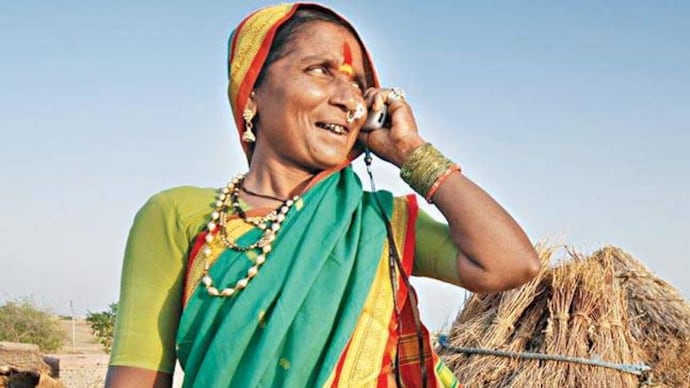
Image Courtesy: indiatoday.com
The truth is simple. Once, we lived life “live.” Today, we live it “online.” Sightseeing means photographing first, experiencing later. The Taj Mahal is not admired; it is ‘selfie’d’ from twenty angles. Aunties no longer gossip from balconies; they announce on WhatsApp groups: “Today Sharma ji bought a new red car, number plate….”
Even chaiwallahs now face the universal first question: “Bhaiya, Wi-Fi password?” Weddings once connected families; now they connect phones to networks. Guests at mandap do not look at the couple but at the ceiling, hunting for stronger signal. Sharing Wi-Fi passwords has become the new hospitality.
Let’s face it: we don’t own mobiles anymore. Mobiles own us. We say, “I carry a phone.” Truth is – the phone carries us. We have all become prisoners of a jail without bars, where the shining screen pretends to be freedom.
So next time you pick up your phone, pause and ask yourself: “Am I using my mobile… or is my mobile using me? Is this my tool – or am I its product?”
Writer: A man exhausted by his mobile, but incomplete without it – Harsh Goenka