






For many of us who have already lived through the decades of card parties, club evenings, and Sunday family gatherings, Mahjong has arrived like an old friend with a new face, writes Harsh Goenka
Who would have thought it? A game of tiles that travelled from imperial China has now become the centrepiece of Mumbai’s social life. And not just for the young or restless- for many of us who have already lived through the decades of card parties, club evenings, and Sunday family gatherings, Mahjong has arrived like an old friend with a new face.
From Bridge and Rummy to Tiles and Winds
Those who grew up in the 1960s and 70s will recall how the club card room was the true parliament of society. Bridge was not just a game; it was a theatre of intellect and wit. Rummy, too, filled countless drawing rooms, its rhythms mixed with gossip, endless cups of chai, and plates of samosas. And who can forget the kitty parties of the 80s and 90s, where laughter, recipes, and confidences were shared between rounds of cards?
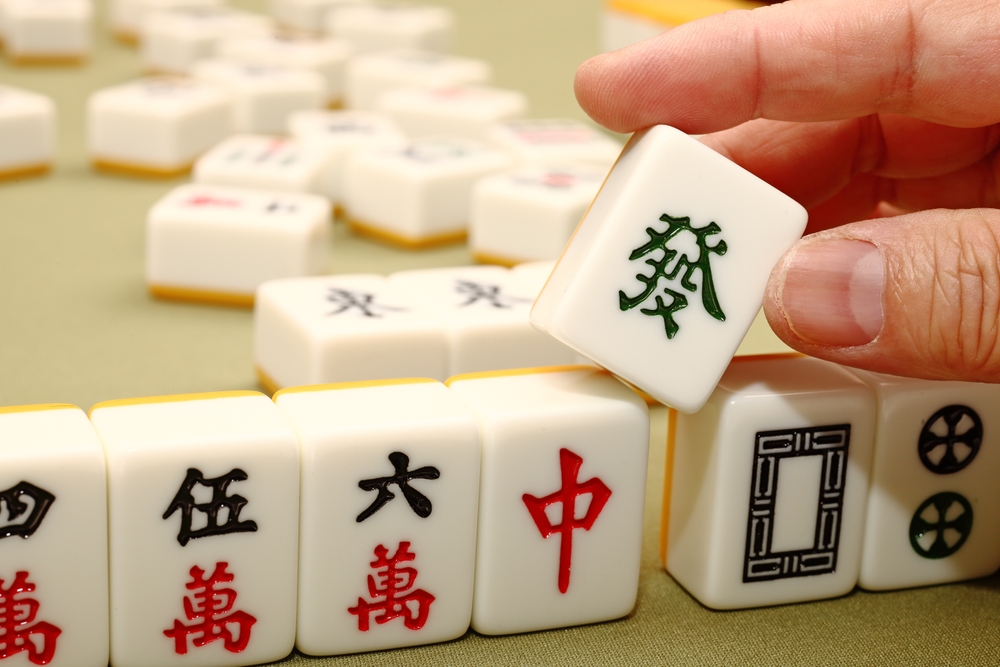
Mahjong, in many ways, has inherited this tradition. The clack-clack-clack of 144 tiles being shuffled has replaced the shuffle of cards. The thrill of declaring “Mahjong!” with a dramatic flourish recalls the old exclamation of “Rummy!” or the triumph of winning a rubber of bridge. What is new is the sheen of glamour: jade-inlaid tiles instead of plastic decks, avocado toast instead of cucumber sandwiches, chic co-ords instead of neatly ironed cotton sarees. Yet, at its heart, it is the same impulse- to play, to talk, to belong.
Memories of a Journey
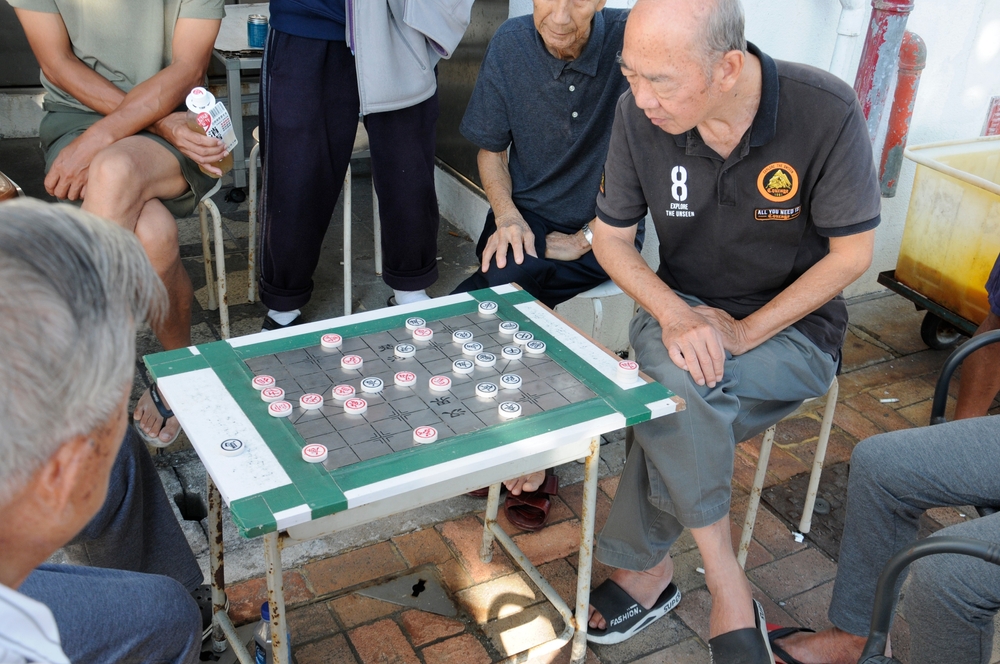
Mahjong itself has had a fascinating journey. From the Qing dynasty of China to America’s roaring 1920s, where newspapers warned of “Mahjong Madness,” it has always been more than a pastime. In India, it lived quietly for decades- in Kolkata’s Chinatown over steaming bowls of noodles, or in army cantonments where officers’ wives mastered its strategies with the same precision their husbands applied to maps. Many of us may even recall seeing it played in family homes of friends who had travelled abroad. Then, as fads do, it receded.
But the pandemic years changed everything. When life slowed down, we rediscovered the value of shared tables and lingering afternoons. Mahjong reappeared, first as a curiosity, and then as a craze. Today, it is the heartbeat of social life from South Mumbai rooftops to Delhi farmhouses.
The Ritual of Play
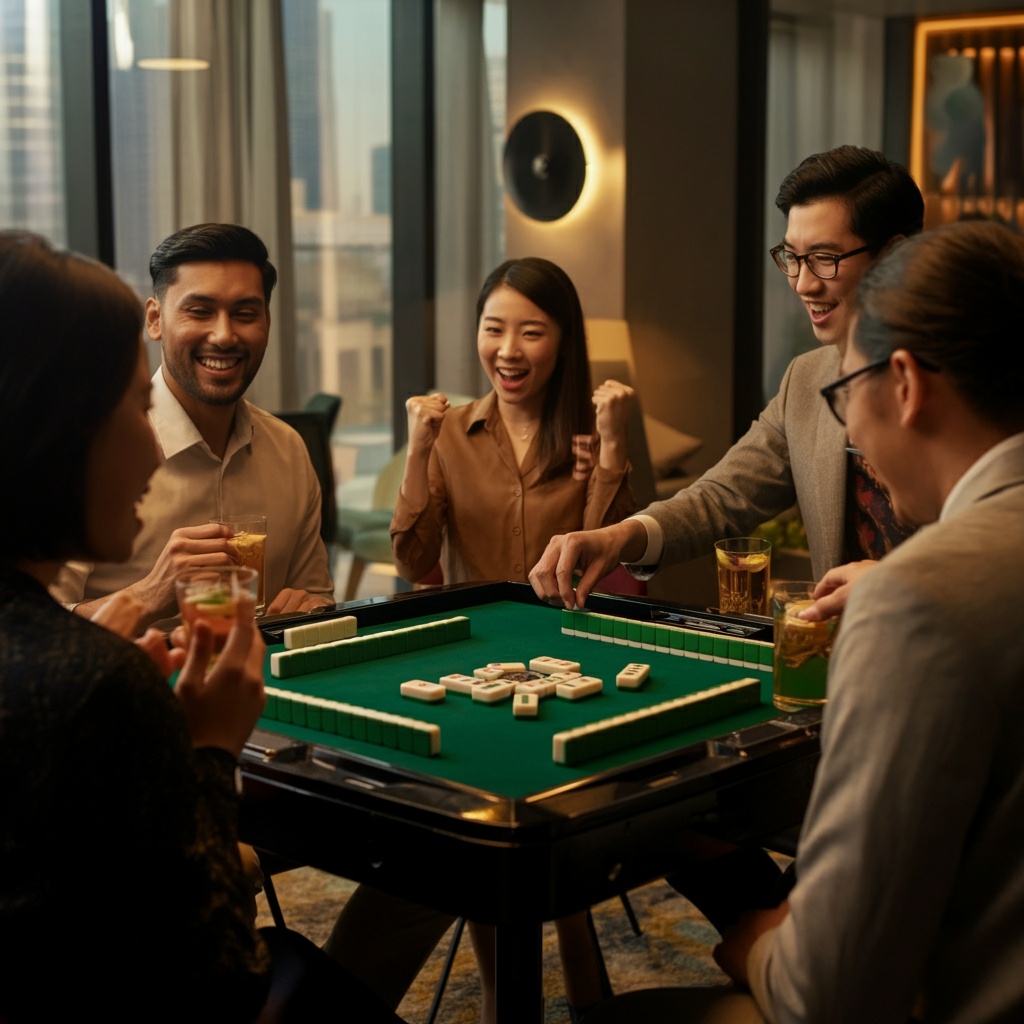
The ritual has its own rhythm. A WhatsApp group is born—“Tiles & Tales,” “Mahjong Mavens.” A set is procured. A teacher is engaged. And soon enough, calendars revolve around the Four Winds.
Here, the past and present blend. Where once we proudly displayed playing cards bought in London or Las Vegas, today it is mahjong sets of bone, ivory, or jade. Where once a card table was enough, now there are automatic, self-shuffling mahjong tables humming like little machines of destiny.
And of course, the food. We remember the charm of old club samosas and cheese balls. Now, the spreads include sushi rolls crafted like art, truffle arancini, or Delhi’s robust kathi rolls and kebabs. The accessories may have changed, but the essence is the same- food, fashion, and friendship, woven into a single afternoon.
Companionship Above All
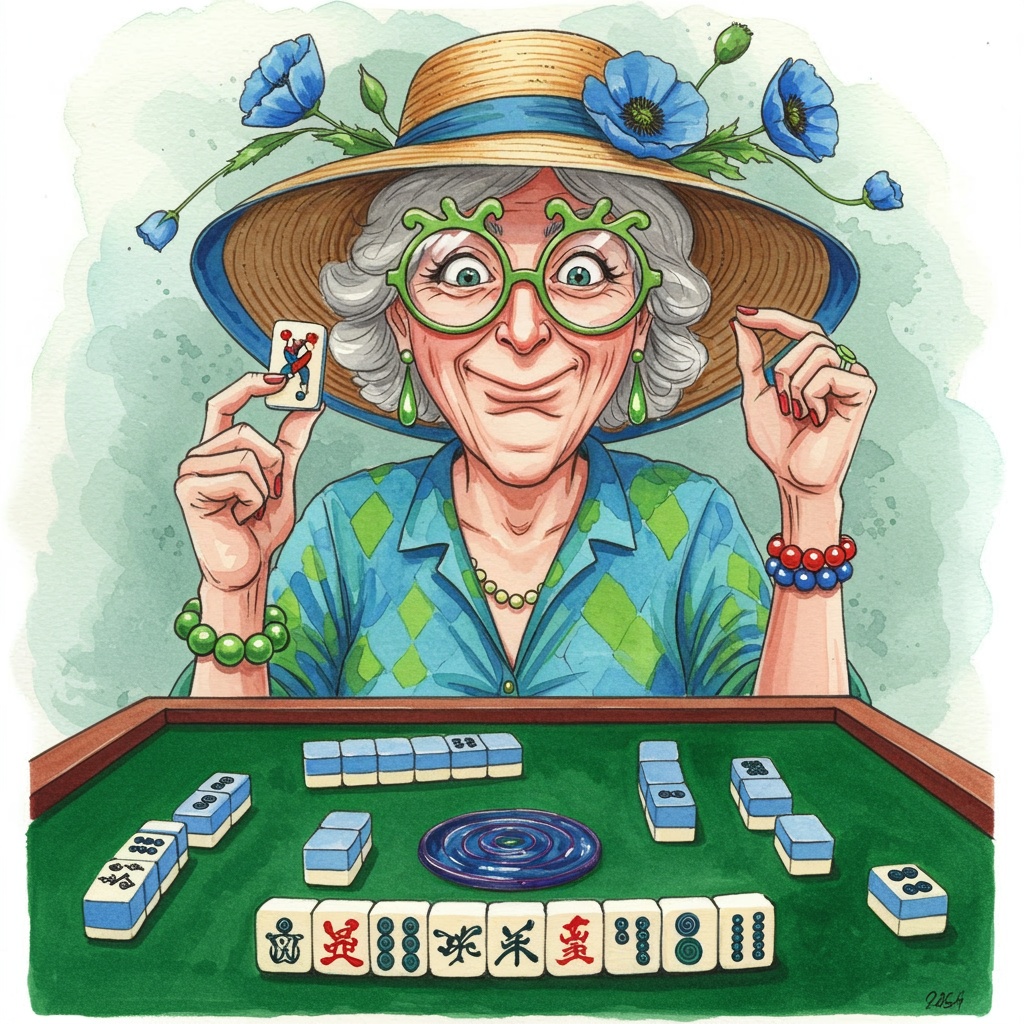
For seniors especially, Mahjong has rekindled something precious. It is not only about winning hands; it is about winning moments. The table of four is a sealed world of comfort and connection. Around it flow conversations about politics, family, grandchildren, health, even the latest film. Invitations to the right table are, in truth, less about status and more about being part of a circle where laughter is shared and silences are understood. One hostess put it perfectly: “It’s not about the tiles, dahling—it’s about the friends you meet across them. And therein lies Mahjong’s secret. It is not just play- it is therapy, community, and memory-making. Men may retreat to golf or poker, but many women, and some men too, have found in Mahjong a graceful bridge between the old and the new.