






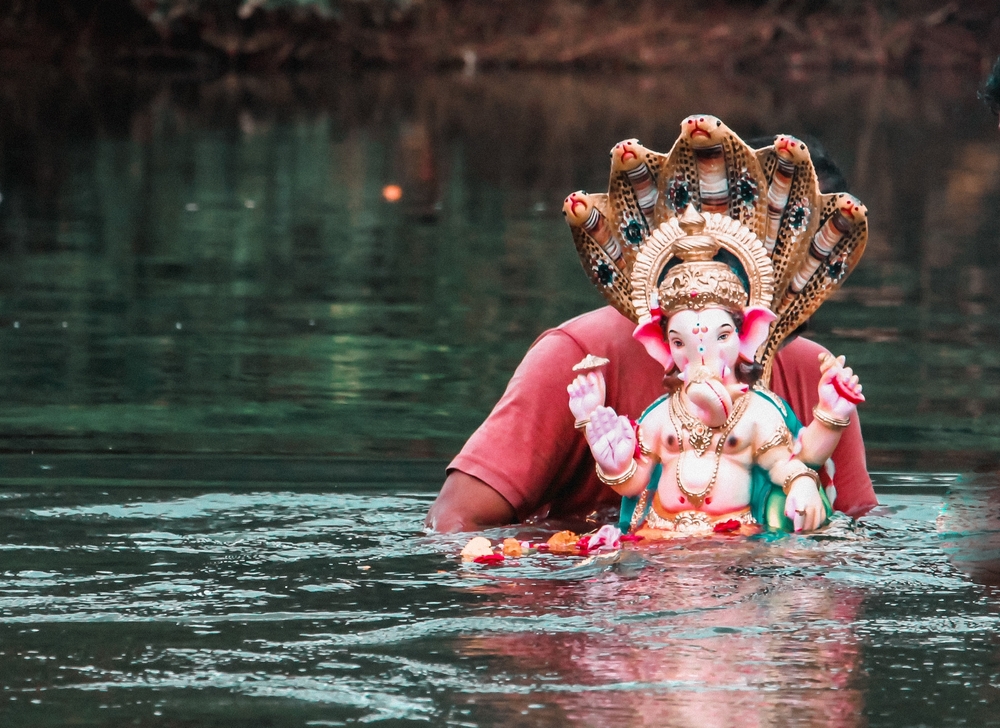
How this powerful deity cuts through caste and communities in India
Every year, as the sound of drums fills the streets and the air carries the fragrance of fresh flowers, India welcomes Lord Ganesha into homes and public spaces. For many seniors, Ganesh Chaturthi is not just a festival; it is a time of reflection, devotion, and community. Beyond the grand decorations and joyous celebrations, the true meaning of Ganesh Chaturthi lies in its power to bring people together, cutting across caste, class, and community.
As we get ready to bid goodbye to Ganpati, let’s take a moment to dwell on the significance of this 10 day long festival:
A festival rooted in unity
Ganesh Chaturthi, celebrated to mark the birth of Lord Ganesha – the remover of obstacles, was popularised in the late 19th century by Lokmanya Bal Gangadhar Tilak. At that time, India was under colonial rule, and Tilak recognised the power of collective devotion. By taking the worship of Ganesha from private homes into public spaces, he turned the festival into a platform where people of all backgrounds could gather without barriers.
The beauty of Ganesha is that he belongs to everyone – his presence is equally strong in a grand pandal in Mumbai as it is in a modest clay idol in a village hut. In a country divided by caste and community, Ganesh Chaturthi became a symbol of equality, where devotion mattered more than social status.
Why Ganesha speaks to all
- A God of the People: With his elephant head, round belly, and warm presence, Ganesha feels approachable and relatable, unlike more distant deities.
- Symbol of Learning and Wisdom: For students, artists, and workers alike, Ganesha represents knowledge, creativity, and prosperity.
- The Remover of Obstacles: Regardless of background, everyone seeks a little help in overcoming life’s hurdles – and Ganesha offers that reassurance.
Even today, the festival cuts across social divisions. In neighbourhood pandals, it doesn’t matter whether you are rich or poor, Hindu or non-Hindu – everyone bows their head before the idol, shares the prasad, and sings the aartis together.
For seniors, it is often a moment of deep nostalgia – remembering childhood processions, family gatherings, and the joy of tasting homemade modaks. But it is also a reminder that India’s strength lies in shared traditions that rise above divisions.
Lessons for generations
Ganesh Chaturthi is not just about rituals; it is about community spirit. As seniors, we have the privilege of teaching our children and grandchildren the deeper meaning:
- That devotion unites us more than it divides us.
- That festivals are not only celebrations but also reminders of resilience.
- That Lord Ganesha, with his wise and smiling presence, teaches us to embrace diversity and see beyond differences.
The true meaning of Ganesh Chaturthi is not in the size of the idol or the grandeur of the pandal, but in the spirit of togetherness it creates. Lord Ganesha stands as a powerful reminder that in faith, there is no caste, no community, and no hierarchy – only shared devotion and collective joy.
So this year, as the chant of “Ganpati Bappa Morya” fills the air during his visarjan, let us remember what it really signifies: a call for unity, harmony, and the immersing of all obstacles that divide us.