






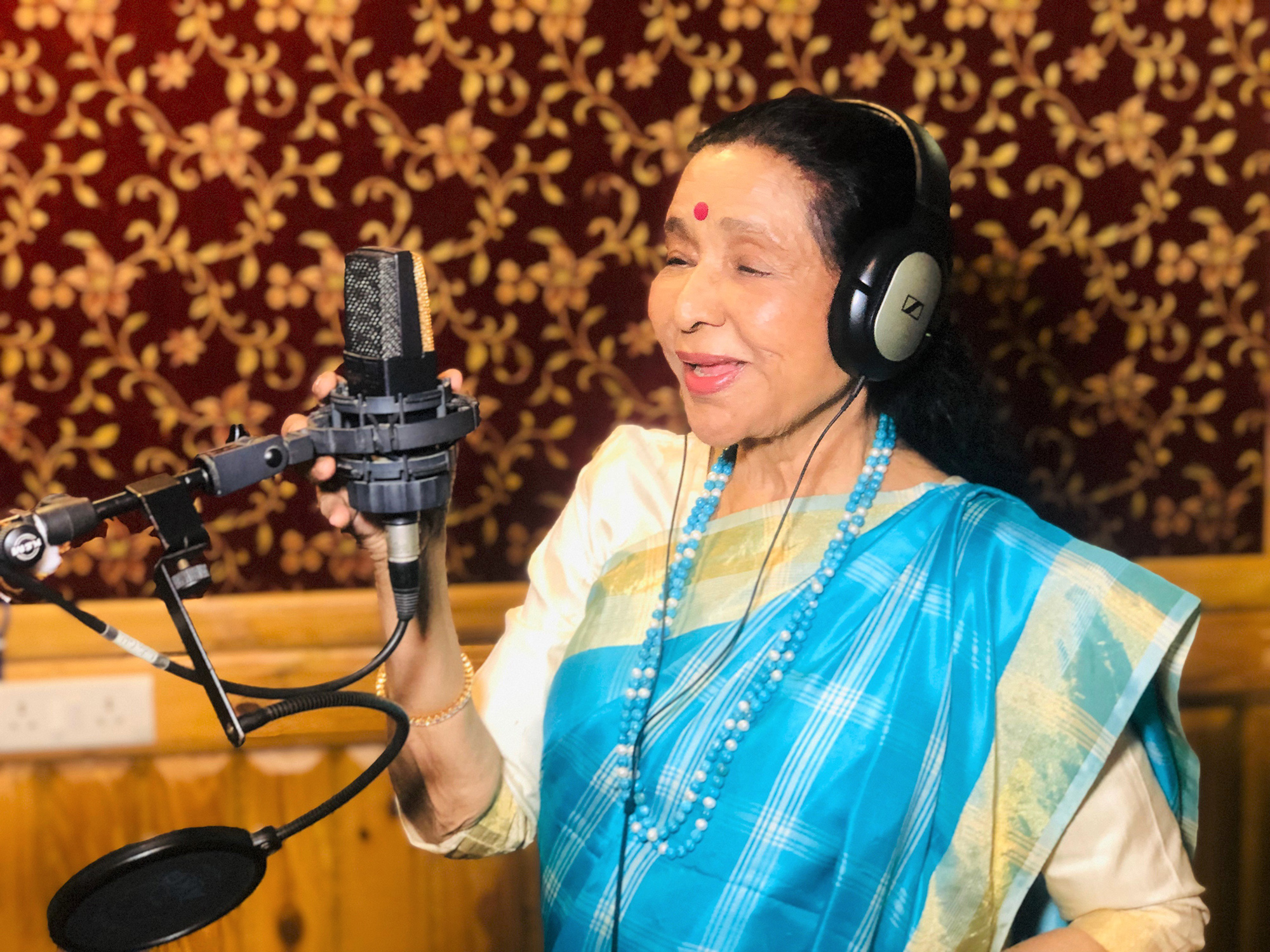
Narendra Kusnur traces the late singer’s extraordinary versatility, which set her a class apart
Minutes after the news of singing legend Asha Bhosle’s passing was announced on April 12, the tributes started pouring in. On news websites and TV channels, Facebook and WhatsApp groups, people discussed their favourite songs or remembered her memorable concerts. Like her sister Lata Mangeshkar, she had touched the lives of millions across the globe.
One thing most people praised was Asha’s versatility. According to the Oxford dictionary, the word refers to a “(person) able to do many different things”. In her case, it simply meant her ability to switch from one singing style to another, sounding equally comfortable and convincing in each.
This doesn’t mean that Asha was the only singer to fit that category – from her generation, Mohammed Rafi and Kishore Kumar were equally versatile. And even though Lata was known more for her love songs, sad numbers and ghazals, she ventured into cabaret tunes with ‘Aa Jaaneja’ (Inteqam) and raunchy numbers with ‘Kaanta Laga’ (Samadhi).
Of course, these kinds of songs were Asha’s domain. From the sensuous ‘Aaiye Meherbaan’ (Howrah Bridge) and rebellious ‘Dum Maro Dum’ (Hare Rama Hare Krishna) to the cabaret hit ‘Piya Tu Ab Toh Aaja’ (Caravan) and dance ditty ‘Jawani Jaaneman’ (Namak Halaal), she owned these songs in a way you couldn’t associate them with anyone else.
Over the next few paragraphs, the focus will be only on the kinds of songs she sang, thereby proving her versatility. This isn’t an exhaustive list, and many favourites might be missing. The idea is to showcase her range.
The early struggles: Asha made her debut in the 1943 Marathi film Majha Bal, where she sang ‘Chala Chala Nav Bala’. After group songs in the 1948 Hindi movies Chunaria and Andhon Ki Duniya, she sang her first Hindi solo songs ‘Hai Mauz Mein Apne Begaane’ and ‘Hamaare Dil Par Tera’, composed by Hansraj Behl in Raat Ki Rani.
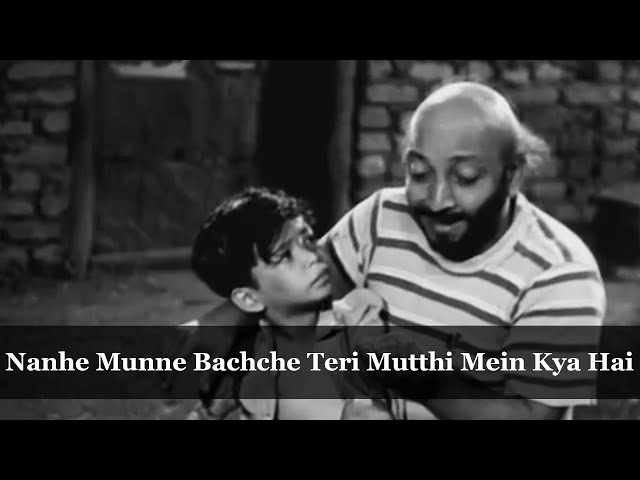
Initially, she recorded a lot with A R Qureshi (as tabla maestro Ustad Allarakha was known in the film world), Sajjad Hussain, Sardar Malik and Ghulam Mohammed. In 1950, she sang for Qureshi in Sabak and Madaari. The former’s ‘Dil Mein Shama Jalaake Tere Intezaar Ki’, written by D N Madhok, is still remembered by old-timers. It was a melancholic number sung with pathos.
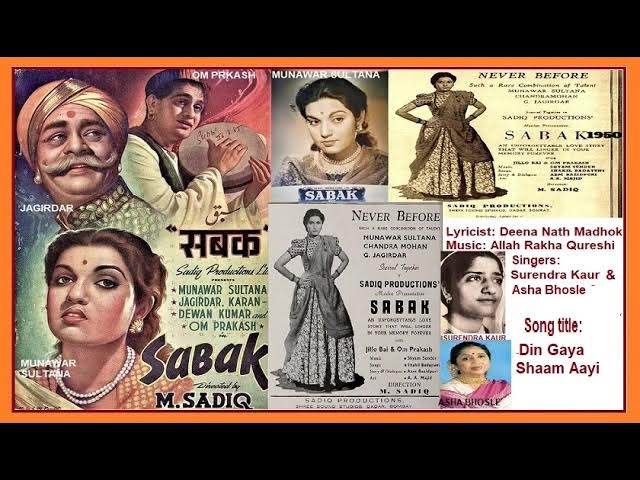
The children’s songs: Asha had some of her early hits in the 1954 film Boot Polish, where she sang for child artistes. The group songs ‘Nanhe Munhe Bachche’ and ‘Theher Ja O Jaane Waale’, composed by Shankar-Jaikishan, marked the beginning of her success. In the 1955 film Vachan, she sang ‘Chanda Mama Door Ke’ for Ravi, and six years later, they released ‘Daadi Amma, Daadi Amma’, a duet with Kamal Barot in Gharana. For S D Burman, she appeared on one of the versions of ‘Tum Jeeyo Hazaaron Saal’ (Sujata).

The evergreen duets: This section could fill up many pages, but we’d stick to some top-of-the-mind numbers. They began with the 1957 film Naya Daur, where she sang ‘Maang Ke Saath Tumhara’ and ‘Ude Jab Jab Zulfen’ with Mohammed Rafi, with O.P. Nayyar composing the music. Nayyar and the two singers also produced ‘Bahut Shukriya, Badi Meherbani’ and ‘Aap Yun Hi Agar Humse Milte Rahe’ in Ek Musafir Ek Hasina, and ‘Ishaaron Ishaaron Mein’ and ‘Deewana Hua Baadal’ in Kashmir Ki Kali. The Rafi-Asha combination also yielded ‘Abhi Na Jaao Chhod Kar’ with composer Jaidev in Hum Dono and ‘Chura Liya’ with R D Burman in Yaadon Ki Baraat.
She had many hits with Kishore too, including ‘Chhod Do Aanchal’ (Paying Guest), ‘Haal Kaisa Hai’ (Chalti Ka Naam Gaadi), ‘Jaan-e-Jaan Dhoondta Phir Raha’ (Jawani Diwani) and ‘Inteha Ho Gayi’ (Sharaabi). There were female duets too, like ‘Kajra Mohabbat Waala’ with Shamshad Begum in Kismat, and ‘Mann Kyon Behka’ with Lata in Utsav.
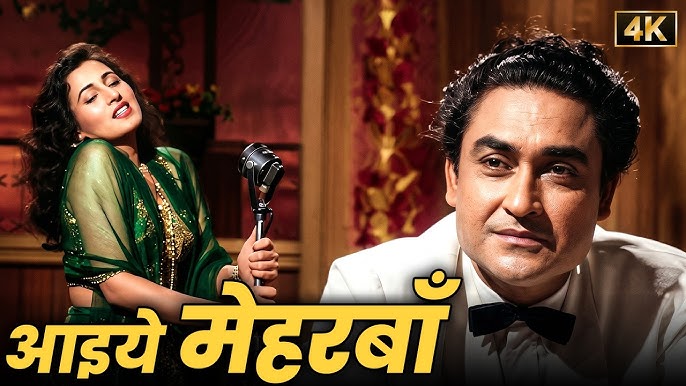
The solo classics: Again, there were so many – ‘Aaiye Meherbaan’ in Howrah Bridge, ‘Jaaiye Aap Kahaan’ and ‘Yeh Hai Reshmi Zulfon Ka’ in Mere Sanam, and ‘Aao Huzoor Tumko’ in Kismat, all with Nayyar. With Ravi, there was the immortal ‘Aage Bhi Jaane Na Tu’ in Waqt. Though it had male voices, ‘Do Lafzon Ki in The Great Gambler primarily focused on her singing. Years later, Ijaazat featured her solo songs ‘Mera Kuchh Saamaan’, ‘Khali Haath Shaam’ and ‘Katra Katra’, composed by R D Burman and written by Gulzar. There’s one more film containing her solo songs, but we’ll mention that in another category.
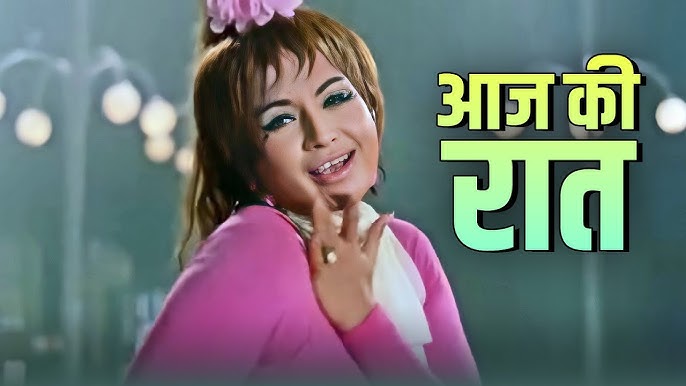
The cabaret hits: The first song that comes to mind is ‘Piya Tu’, filmed on Helen and composed by R.D. Burman in Caravan. Other cabaret songs are ‘Mera Naam Hai Shabnam’ (Kati Patang), ‘Aao Na Gale Lagaon Na’ (Mere Jeevan Saathi), ‘Kaanp Rahi Main’ (Joshila) and ‘Aaj Ki Raat Aane Ko Hai’ (Anamika,). Incidentally, all these were by RD.
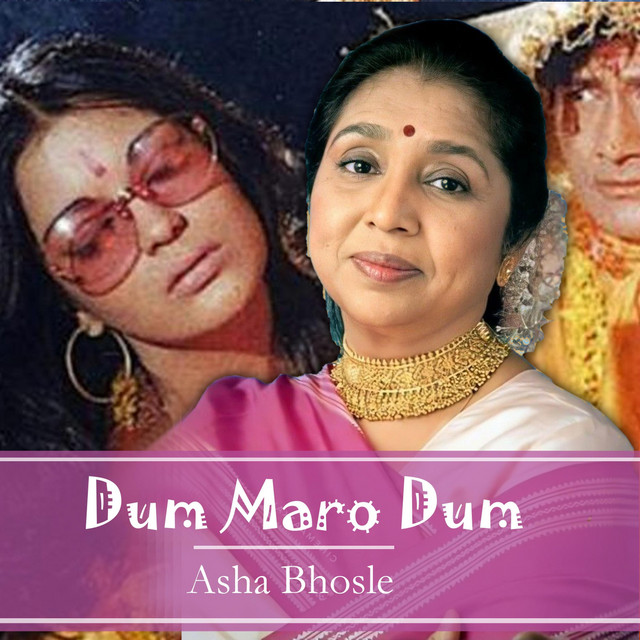
Image courtesy: Spotify
The breezy foot-tappers: More from the RD-Asha combo. We’ll begin with ‘Aaja Aaja’ and ‘O Haseena Zulfonwali’ from Teesri Manzil, which marked the beginning of this style in 1966. Then we head to ‘Dum Maro Dum’, picturised on Zeenat Aman in Hare Rama Hare Krishna. The playlist can include ‘Duniya Mein Logon Ko’ (Apna Desh), ‘Jab Andhera Hota Hai’ (Raja Rani), ‘Hum Tum Gumsum’ (Humshakal), ‘Khullam Khulla Pyaar Karenge’ (Khel Khel Mein) and ‘Khatouba’ (Alibaba Aur 40 Chor).
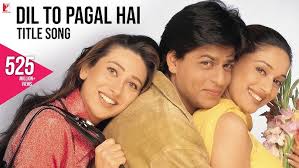
These kinds of songs became her trademark, and much later, she sang ‘Tanha Tanha’ for A.R. Rahman in Rangeela, ‘Le Gayi Le Gayi’ for Uttam Singh in Dil To Pagal Hai and ‘Kambakht Ishq’ for Sandeep Chowta in Pyaar Tune Kya Kiya.
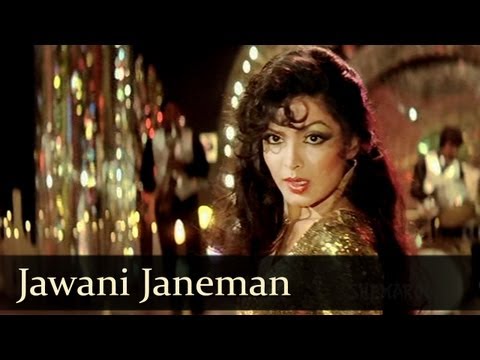
Disco: The disco wave was huge in the early 1980s, with music director Bappi Lahiri creating many hits, mainly with Usha Uthup. Though Asha didn’t make a full-fledged mark in this genre, she had a couple of big hits. Two big successes – ‘Jawani Jaaneman’ in Namak Halaal and ‘Disco Station Disco’ in Haathkadi – were composed by Lahiri.

Ghazals and associated music: When director Muzaffar Ali cast Rekha to play a Lucknow tawaif in Umrao Jaan, music director Khayyam immediately thought of Asha to sing her songs. Along with lyricist Shahryar, they created the evergreen solo numbers ‘In Aankon Ki Masti’, ‘Dil Cheez Kya Hai’, ‘Yeh Kya Jagah Hai Doston’ and ‘Justajoo Jiski Thi’. She and Khayyam also collaborated on the 1997 album Asha Aur Khayyam, containing light songs.
Among pure ghazal projects, Asha teamed up with Pakistani maestro Ghulam Ali on Meraj-e-Ghazal, which had the songs ‘Salona Sa Sajan’ and ‘Yun Sajaa Chand’, and with Hariharan on Aabshaar-e-Ghazal. In 2006, she worked on Love Supreme with musician Somesh Mathur, and sang her own take of popular ghazals and nazms. Her video of ‘Aaj Jaane Ki Zid Na Karo’ became popular.
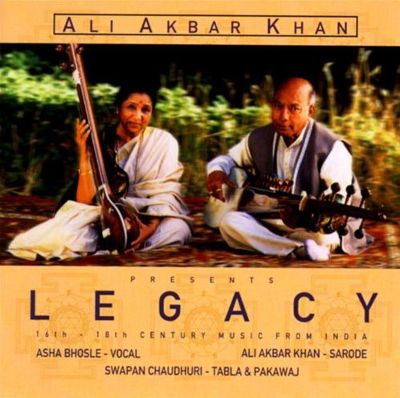
Classical music: In 1995, the singer worked with sarod maestro Ustad Ali Akbar Khan on Legacy, which contained Indian music from the 16th to 18th century. It used khayal, dhrupad, tarana and hori in various ragas like Kukubh Bilawal, Miyan Ki Malhar, Bhimpalasi, Adana, Bhoop and Bhairavi.
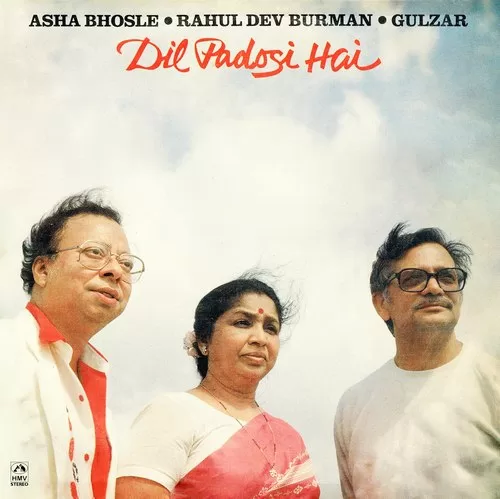
Indipop and private albums: In 1987, Asha teamed up with Burman and Gulzar on the album Dil Padosi Hai, which became a fan favourite. A decade later, noticing the popularity of Indipop, Asha teamed up with composer Leslie Lewis and lyricist Majrooh Sultanpuri on the 1997 album Jaanam Samjha Karo. The song ‘Raat Shabnami’ became a hit, and the album fetched her an MTV award. She later composed her own album Aap Ki Asha, with lyrics by Sultanpuri. More recently, in keeping with the new trend of singles, she released the song ‘Saiyaan Bina’ with composer Nitin Shankar. She appeared in the video with her grand-daughter Zanai, who did a classical dance.
Remixes: In the mid-1990s, many labels and musicians began remixing older songs, including R.D. Burman’s hits. In order to create her own versions of these songs, Asha teamed up with Leslie Lewis to produce Rahul & I, an album of remixes. In 2005, she joined the US-based Kronos Quartet on the album You’ve Stolen My Heart, featuring Burman’s songs with fresh string arrangements.
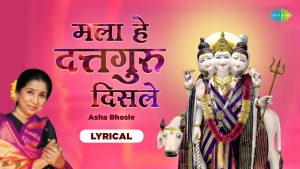
Regional language songs: Though her repertoire spanned many languages, she sang a good chunk in Marathi, her mother tongue, and Bengali. Some Marathi films in which Bhosle rendered her voice were Manini, Molkarin, Jait Re Jait, Gharkul and Maratha Tituka Melvava. She also sang many abhangs and devotional songs. A clip of her recently singing the popular ‘Mala He Dattaguru Disle’ at home has gone viral.
In Bengali, she has sung the songs of Sudhin Dasgupta, Nachiketa Ghosh, R.D. Burman and Bappi Lahiri. Her rendition of Burman’s ‘Chokhe Naame Bristhi’ (‘Jaane Kya Baat Hai’ in Hindi) became a huge success.
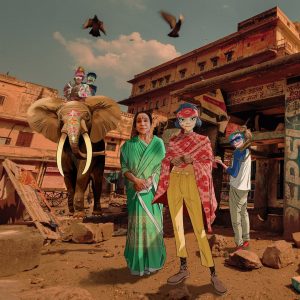
International collaborations: In 1991, British musician Boy George used Asha’s vocals in his song ‘Bow Down Mister’, though she wasn’t credited in the single. She subsequently did songs with Brit boy band Code Red, Michael Stipe of the group REM and Australian cricketer Brett Lee.
The British group Cornershop paid tribute to her on the song ‘Brimful Of Asha’, and American group Black Eyed Peas and opera-pop Sarah Brightman have sampled her voice. Asha’s last release was ‘The Shadowy Light’, where she teamed up with British virtual band Gorillaz. It was released on February 27.
With such a wide array, Asha has proved she could sing just about anything. Surely she defined the term ‘musical versatility’. Or ‘vers-Asha-tility’.