






Travel is said to broaden the mind – but could it also lengthen a life? In certain corners of the world, it feels almost possible, writes Vandana Kanoria
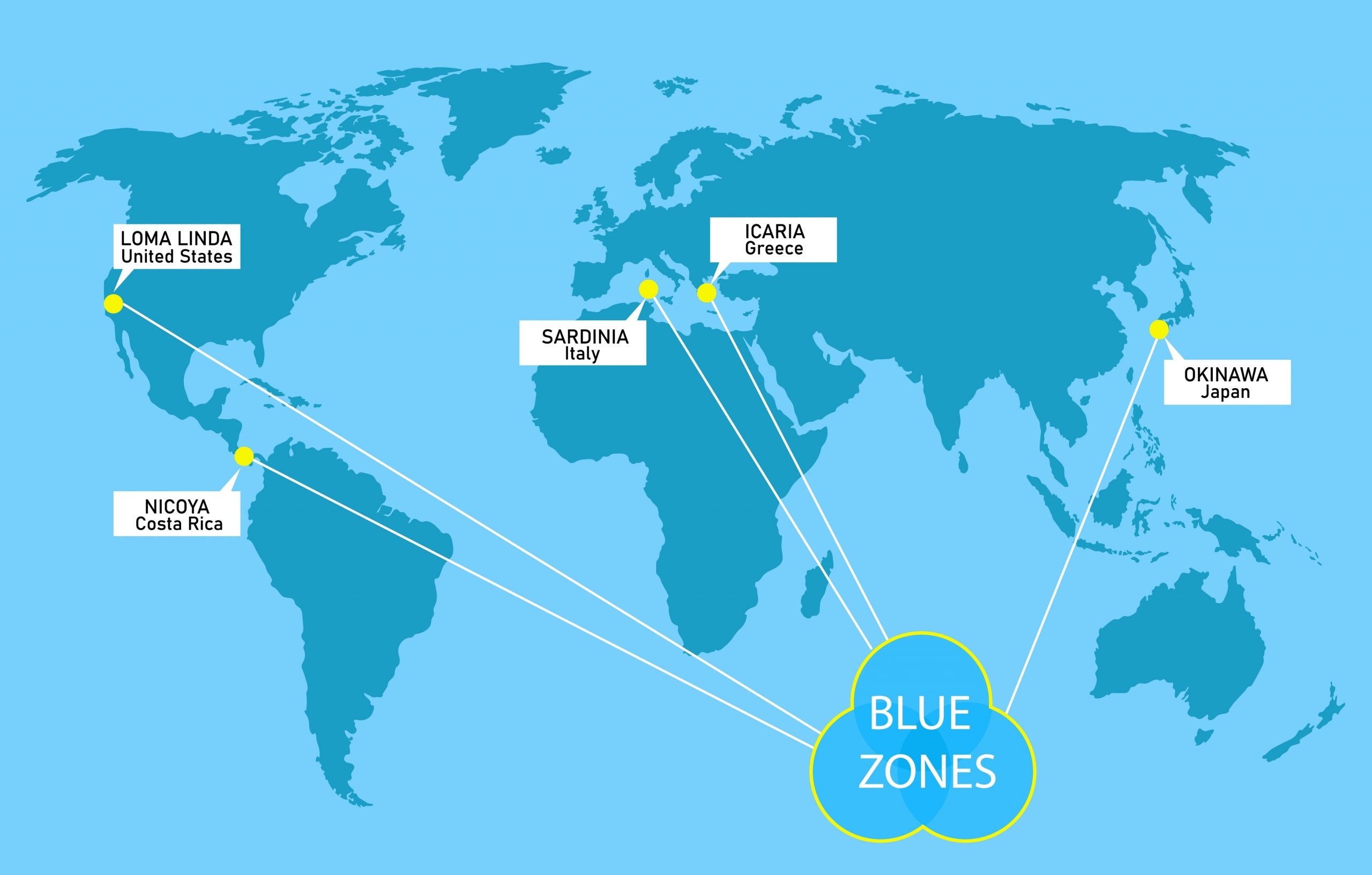
Travel is said to broaden the mind – but could it also lengthen a life? It is a seductive thought, and in certain corners of the world, it feels almost possible. The idea of Blue Zones, a term popularised by Dan Buettner, points to a handful of regions where people live not just longer, but better. These are places where centenarians are not anomalies, where ageing feels less like decline and more like a quiet continuation. The name itself is incidental: Buettner and his team circled these areas in blue ink on a map. But what they found within those circles seems to be the stuff of myths. Yet, these places though seemingly utopias, are ordinary landscapes—villages, coastlines, small towns, where life unfolds slowly without spectacle. What distinguishes them is not wealth or medical advancement, but a pattern of living that accumulates, day after day, into something extraordinary. Buettner described five known Blue Zones:
Icaria (Greece): Icaria is an island in Greece where people eat a Mediterranean diet rich in olive oil, red wine, and homegrown vegetables.
Ogliastra, Sardinia (Italy): The Ogliastra region of Sardinia is home to some of the oldest men in the world. They live in mountainous regions where they typically work on farms and drink lots of red wine.
Okinawa (Japan): Okinawa is home to the world’s oldest women, who eat a lot of soy based foods, where exercise is not a strict regimen but a part of everyday movement.
Nicoya Peninsula (Costa Rica): the Nicoyan diet is based around beans and corn tortillas. The people of this area regularly perform physical jobs into old age and have a sense of life purpose known as “plan de vida.”
The Seventh-day Adventists in Loma Linda, California: The Seventh-day Adventists are a very religious group of people. They’re strict vegetarians and live in tight-knit communities.
Interestingly, genetics probably only account for 20% to 30% of longevity. Environmental influences, including diet and lifestyle, play a huge role in determining the life span. In Japan, a country where many people live well into their and nineties, it is no surprise that Okinawa has the highest concentration of centenarians on Earth. Roughly 1 in every 2,000 people lives past 100.They have 80% less heart disease and significantly lower dementia than the West. Findings echo what Okinawa embodies: predominantly plant-based diets, moderate caloric intake, daily low-intensity movement, strong social ties, and rhythms that diffuse stress. Together, these reduce the burden of chronic disease—heart ailments, dementia, metabolic disorders.
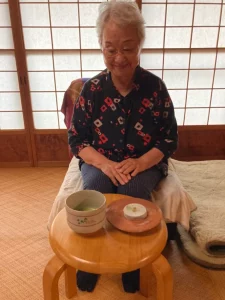
Image Courtesy: https://michikotomioka.substack.com/p/chado-the-art-of-living
In Okinawa, time seems to stretch. Mornings begin gently: the soft clink of teacups, the warmth of miso soup, the quiet rhythm of sweeping just outside the home. People pause easily—for conversation, for acknowledgement—as if the day is something to be inhabited, not managed.
Longevity here is not pursued. It happens quietly, as a consequence of how life is lived.
It begins with food—simple, seasonal, deeply rooted in the land. Meals are composed of vegetables, legumes, tofu, seaweed, and grains, their colours muted and natural, pulled from earth. Bitter melon, sharp and medicinal. Purple sweet potato, dense and faintly sweet. Turmeric and ginger woven into everyday cooking. Meat is rare, used sparingly, almost ceremonially.
Equally important is how one eats. The principle of hara hachi bu—stopping at eighty percent fullness—creates a subtle discipline, a lightness that lingers long after the meal. There is no urgency at the table, no excess. Hunger and satisfaction meet without conflict.
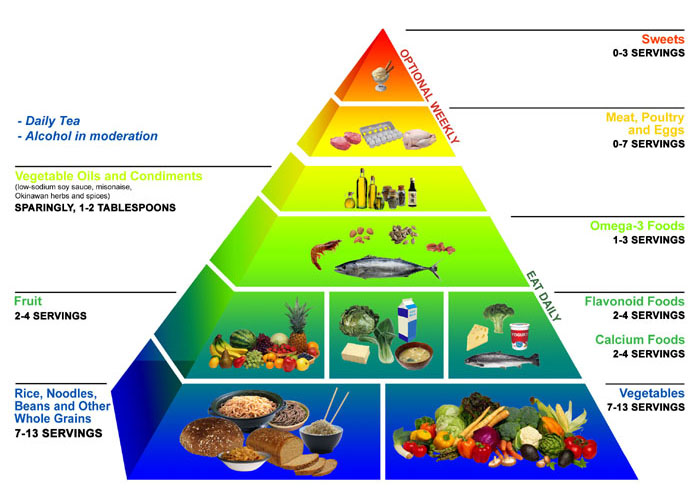
Image Courtsey: okinawahai.com
Movement, too, is constant but unremarkable. There are no designated hours for exercise, no separation between activity and rest. People walk, tend to gardens, cycle through narrow roads, sit and rise from the floor. Homes are designed for this rhythm—low, grounded, requiring the body to engage in small, repeated efforts that build strength over time. The body is not trained; it is simply used.
And then there is community—the quiet architecture holding everything together.
In Okinawa, people belong to moai—small, enduring circles formed early in life, sustained across decades. These are not casual friendships but systems of mutual care. They meet over tea, share conversation, offer support without ceremony. If one stumbles, the others lend a helping hand. Loneliness, so pervasive elsewhere, finds no room to settle here.
Threaded through daily life is a sense of purpose—ikigai. It need not be grand. It may be tending a garden, caring for a neighbour, continuing a craft. There is no abrupt idea of retirement, no sudden withdrawal from usefulness. Life continues, gently, full of meaning.
In contrast, modern life often moves against this grain. It accelerates, isolates, fragments. We eat quickly, move sporadically, connect superficially. Solutions are sought in latest influencer posts, in chat GPT in strict regimens, fleeting trends, technological fixes.
 In an era of rising chronic diseases, obesity, and mental health challenges, the blue zones offer a different narrative to modern lifestyles dominated by processed foods, sedentary behaviour, and social disconnection. Okinawa offers something quieter, almost radical in its simplicity. It reminds us that longevity is not about expensive medical interventions – “none of them are tracking their steps, or taking superfoods, or running down to Costa Rica for stem cells”- but about simple, sustainable habits. Community and connection are as vital to health as diet and exercise. A sense of purpose can profoundly influence well-being and resilience.
People in the blue zones don’t consciously decide to walk more, garden regularly, eat predominantly plants, or participate in faith-based activities. These aren’t deliberate “habits” they adopt in pursuit of health and longevity. Instead, their environment naturally encourages these behaviours, seamlessly weaving them into daily life. The enduring appeal of the blue zones lies in the ease of adopting their ways of living. They remind us that the key to a long, healthy life is not found in fad diets, supplements, or biohacking, but in the timeless wisdom of living simply, eating mindfully, connecting deeply, and moving naturally. While headlines elsewhere promise miracle cures or anti-ageing hacks, life here tells a subtler story. There is no fountain of youth, promising a single, transformative cure. Only a way of living, repeated gently over time.
But what is most striking is how little of this feels intentional. The environment itself nudges towards the principle that longevity is not built through dramatic change, but through small, consistent acts:
in stopping just before fullness,
in moving without thinking of it as exercise,
in being expected somewhere, by someone,
in waking each day with a reason, however modest.
And perhaps that is what travel reveals at its most meaningful—not just new geographies, but new rhythms of being. A reminder that a long life is not engineered at the end, but shaped quietly, almost imperceptibly, in the choices we make each day.