


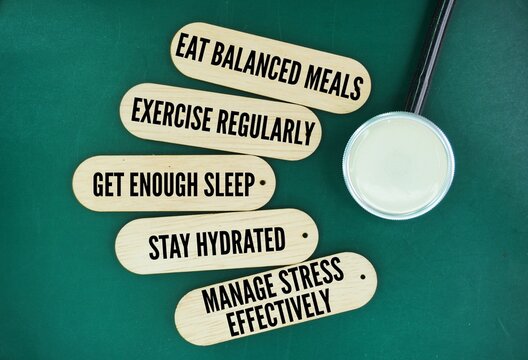
In a world overflowing with detailed health advice, new superfoods, recalibrated step counts, macros, twenty must-have miracle supplements and equally miraculous routines, it’s easy to become overwhelmed — especially in our later years. .
But here’s the reassuring truth: longevity is not built on perfection. It’s built on consistency.
Rather than obsessing over every calorie, every nutrient or every workout metric, research consistently shows that seniors who adopt a varied, balanced diet and regular, enjoyable physical activity tend to live not just longer — but better.
The secret isn’t precision. It’s pattern.
Quality of Life vs Length of Life
Modern science distinguishes between lifespan (how long we live) and healthspan (how well we live).
According to research published in journals such as The Lancet Public Health and large-scale population studies, lifestyle factors account for a substantial proportion of healthy ageing outcomes.
The key pillars remain remarkably consistent:
- Nutritional variety
- Regular movement
- Social engagement
- Stress management
Let’s focus on the first two — because they are fully within reach.
The Power of Dietary Variety
One of the strongest predictors of healthy ageing is dietary diversity.
Studies of traditional eating patterns — particularly the Mediterranean diet — show that people who consume a wide range of vegetables, fruits, whole grains, legumes, nuts, olive oil and moderate amounts of fish tend to have:
- Lower cardiovascular disease risk
- Reduced inflammation
- Better cognitive resilience
- Lower incidence of type 2 diabetes
Importantly, these benefits are not tied to strict dieting — but to balance and variety.
Why Variety Matters More Than Perfection
As we age:
- Nutrient absorption changes
- Muscle mass naturally declines (sarcopenia)
- Oxidative stress increases
- Bone density may reduce
A varied diet helps provide:
- Antioxidants (vitamins C and E, carotenoids)
- Fibre for gut health
- Adequate protein to maintain muscle
- Healthy fats to support brain function
Rather than fixating on eliminating foods, seniors benefit more from asking:
“Have I included enough colours and protein today?”
A practical guide:
- Fill half the plate with colourful vegetables.
- Include a palm-sized portion of protein at each main meal.
- Add healthy fats such as olive oil, nuts or seeds.
- Stay hydrated — thirst perception declines with age.
No spreadsheets required.
Movement: The Most Powerful Longevity Tool
If there were a single intervention shown to improve nearly every ageing marker, it would be physical activity.
Research from the World Health Organization recommends that adults aged 65+ aim for:
- 150 minutes of moderate aerobic activity per week
- Strength training at least twice weekly
- Balance exercises to reduce fall risk
But again — don’t dwell on the numbers.
The goal is regularity, not athleticism.
Why Exercise Is Non-Negotiable
Consistent movement:
- Preserves muscle mass
- Improves insulin sensitivity
- Reduces risk of dementia
- Strengthens bones
- Boosts mood via endorphins and serotonin
- Enhances circulation
Even light daily walking reduces all-cause mortality risk compared with a sedentary lifestyle.
A brisk 20–30 minute walk most days can:
- Improve cardiovascular function
- Lower blood pressure
- Maintain joint mobility
Add simple resistance exercises — bodyweight squats, wall push-ups, light dumbbells or resistance bands — and the benefits multiply.
Don’t Chase Extremes
A common mistake in later life is oscillating between extremes:
- Strict dieting followed by indulgence
- Intense bursts of exercise followed by inactivity
This “all-or-nothing” approach is counterproductive.
The body thrives on steady input:
- Moderate calorie balance
- Adequate protein (around 1–1.2g per kg body weight for older adults, unless medically advised otherwise)
- Gentle but consistent activity
The evidence is clear: sustainability beats intensity.
The Psychological Advantage of Letting Go
There is also a mental health benefit to avoiding obsession.
Chronic stress increases cortisol, which in excess can:
- Impair immune function
- Contribute to abdominal fat storage
- Disrupt sleep
- Accelerate biological ageing
When seniors adopt a flexible, varied approach to health rather than rigid perfectionism, they are more likely to:
- Maintain habits long term
- Enjoy social meals
- Stay active socially and physically
Longevity isn’t only biological — it’s behavioural.
Small Habits That Add Up
You don’t need a dramatic overhaul. Consider these manageable steps:
- Walk after meals to support blood sugar regulation
- Add an extra vegetable to dinner
- Swap refined grains for whole grains
- Include oily fish twice weekly
- Practise simple balance exercises while brushing teeth
- Stretch gently before bed
Consistency compounds.
Ageing Well Is a Daily Practice
Ageing is inevitable. Frailty is not.
Scientific evidence strongly supports that seniors who:
- Eat a varied, nutrient-dense diet
- Maintain muscle through resistance activity
- Keep moving daily
tend to enjoy greater independence, sharper cognition and improved emotional wellbeing.
The message is simple:
Don’t dwell on the microscopic details.
Build steady, balanced habits.
Choose variety over restriction.
Choose movement over perfection.
Because living longer is good.
Living well — with strength, clarity and vitality — is better.