






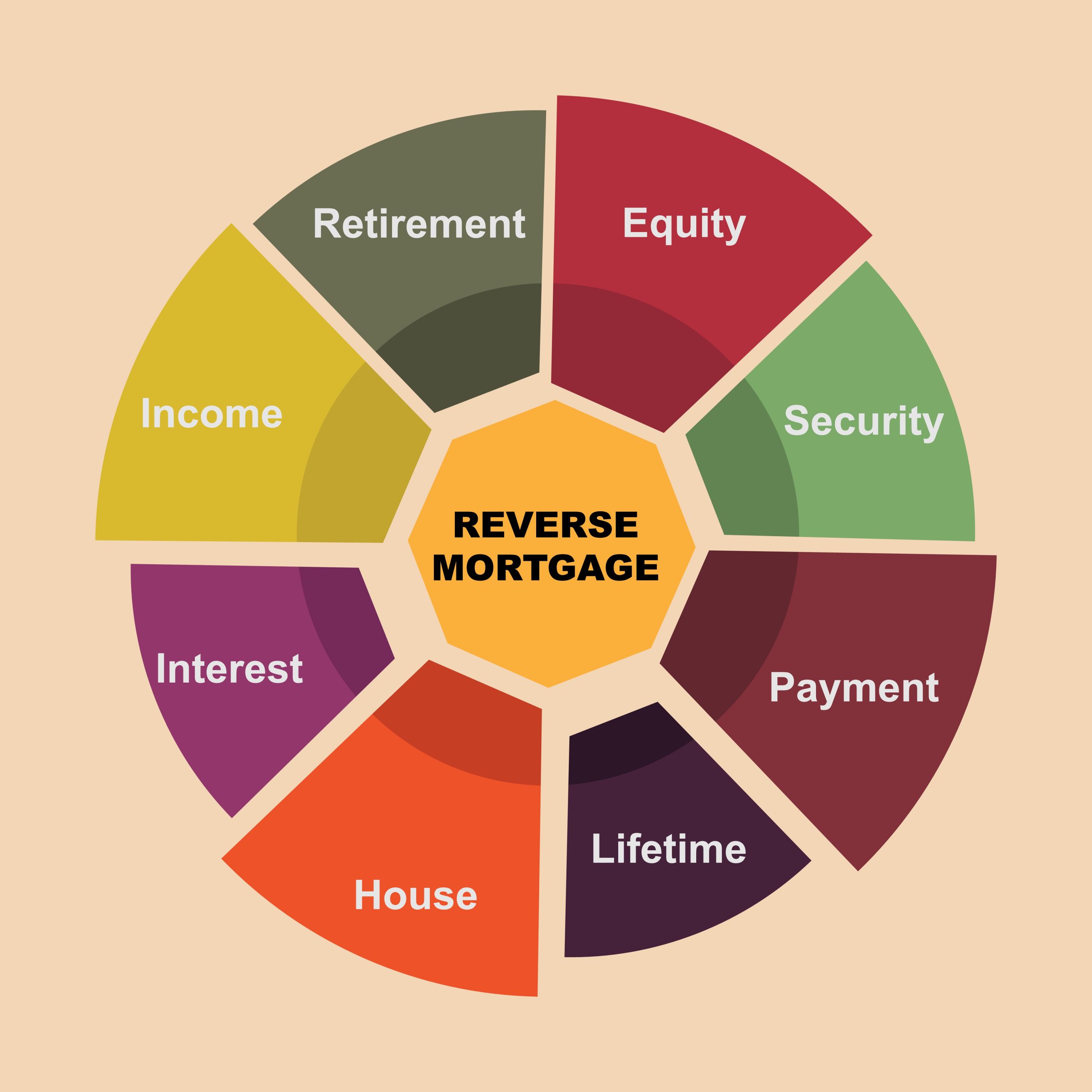
For many older adults, the family home represents far more than bricks and concrete.
It is a lifetime of memories. The place where children grew up, festivals were celebrated, careers were built, and family photographs quietly accumulated on walls and shelves over decades.
But increasingly, many retirees find themselves in a strange financial position: they may own a valuable property, yet struggle with monthly cash flow.
Property-rich but income-poor.
This is where the idea of a reverse mortgage often enters the conversation — sometimes presented as a clever retirement solution, and at other times viewed with deep suspicion.
So what exactly is a reverse mortgage? And is it truly worth considering?
What Is a Reverse Mortgage?
In a traditional home loan, the bank lends you money to buy a house, and you repay the loan over time.
A reverse mortgage works in the opposite direction.
If you are an older homeowner, the bank pays you against the value of your home. You continue living in the property, but the bank gradually recovers the money later — usually after the homeowner passes away, sells the house, or permanently moves out.
In simple terms, it allows retirees to unlock some of the financial value tied up in their property without immediately selling it.
Why Some Retirees Consider It
Retirement today is lasting longer than previous generations expected.
People are living into their eighties and nineties, healthcare costs are rising, and many retirees worry about outliving their savings.
Meanwhile, property prices in many Indian cities have risen dramatically over the past few decades.
This creates an unusual situation:
- A person may own a house worth several crores,
- but still hesitate before paying medical bills, hiring home help, or travelling.
For some retirees, a reverse mortgage can provide:
- Supplementary monthly income
- Greater financial independence
- Funds for healthcare or home modifications
- Reduced dependence on children
- Emotional comfort during uncertain times
One retired couple reportedly described their home as “a locked treasure chest” — valuable on paper, but financially inaccessible in daily life.
A reverse mortgage attempts to open that chest gradually.
The Emotional Barrier
Despite its practical advantages, reverse mortgages remain uncommon in India compared to countries like the United States.
The biggest reason is often emotional rather than financial.
Many parents see the family home as something meant to be passed down to children. The idea of borrowing against it can feel uncomfortable, even guilt-inducing.
In some families, discussions about reverse mortgages create tension:
- Children may fear losing inheritance,
- Parents may fear appearing financially dependent,
- Or there may simply be cultural discomfort around debt in later life.
For many older Indians, owning a debt-free home symbolises security and dignity. A reverse mortgage can feel psychologically opposite to that ideal.
The Advantages
You Continue Living in Your Home
Unlike selling the property outright, you do not usually need to move.
No Monthly Loan Repayment
The homeowner typically receives payments instead of making them.
Financial Flexibility
The funds may help cover medical expenses, household support, or daily living costs.
Greater Independence
Some retirees prefer not relying entirely on children for financial support.
The Potential Drawbacks
Like any financial product, reverse mortgages are not perfect.
The Loan Grows Over Time
Interest accumulates over the years, reducing the remaining value of the property.
Reduced Inheritance
Children or heirs may inherit less wealth from the property later.
Complex Terms
Many retirees do not fully understand the fine print, payment structure, or long-term implications.
Emotional Stress
Some people simply feel uncomfortable monetising the family home.
Property Maintenance Still Matters
The homeowner is generally still responsible for maintaining the property and paying taxes or society charges.
It Is Not Suitable for Everyone
A reverse mortgage may make sense for:
- Retirees with valuable property but limited income,
- Individuals without immediate heirs,
- People needing healthcare funds,
- Or those wanting financial independence in later life.
However, it may not be ideal for:
- Families strongly attached to preserving inheritance,
- People planning to relocate soon,
- Or retirees with sufficient retirement income already.
Financial planners often suggest viewing reverse mortgages as a last-stage retirement tool rather than a first option.
Important Questions to Ask Before Considering One
Before signing anything, retirees should ask:
- How much money will actually be received?
- Is it a lump sum or monthly payout?
- What happens if one spouse passes away?
- Can the heirs retain the property later?
- What are the interest rates and processing fees?
- Are there penalties or restrictions?
- What happens if healthcare needs require moving elsewhere?
Independent financial advice becomes extremely important here.
The Changing Nature of Retirement
The very idea of retirement is changing globally.
Previous generations often relied on pensions, large joint families, and shorter post-retirement lifespans. Today’s retirees face a different reality:
- Longer lives,
- Rising healthcare costs,
- Smaller families,
- Children living abroad,
- And uncertain economic conditions.
As a result, conversations once considered taboo — such as downsizing, assisted living, or reverse mortgages — are becoming increasingly common.
So, Should You Consider It?
Possibly — but carefully.
A reverse mortgage is neither a miracle solution nor a financial trap by default. It is simply a tool. For the right person in the right circumstances, it can provide dignity, security, and peace of mind.
For others, the emotional cost may outweigh the financial benefit.
Ultimately, the question is not just about money.
It is about how one wishes to live during the later chapters of life: independently, comfortably, and without constant financial anxiety.
And perhaps that is the real conversation retirement planning should focus on.
Disclaimer: This article is intended for general awareness and informational reading only. Financial products and regulations may vary, and readers should seek independent financial and legal advice before making decisions regarding reverse mortgages or retirement planning.