







As we grow older, what one needs is something rarer and more sustaining: genuine friends, advises Harsh Goenka
When we are young, life is crowded. Parents’ guide us, siblings compete with us, colleagues challenge us, spouses anchor us, children need us, and bosses occupy our thoughts. We spend much of our lives juggling responsibilities and relationships, often wishing for a little more time to ourselves. Then, almost imperceptibly, life changes. Children move away, careers wind down, routines disappear, and the phone rings less often. The world that once made us feel relevant learns to function quite comfortably without us. For many, this transition can feel unsettling. Retirement brings freedom, but freedom without companionship can sometimes feel disturbing.
This is why friendships become increasingly important as we grow older. There are enough acquaintances one has — people who attend the same parties, exchange pleasantries at club lunches, or appear consistently in the comments section of a social media post. But acquaintances are not friends. What one needs is something rarer and more sustaining: genuine friends. The ones who laugh at our old stories even when they have heard them several times, forgive our repeated jokes with affectionate patience, and call not because they need something, but because they genuinely care whether we are well.
One of the realities of ageing is that many of the identities we once relied upon begin to fade. For decades we introduce ourselves by what we do. We are executives, entrepreneurs, doctors, lawyers, teachers, or professionals of one kind or another. Then one day the designation disappears. The office belongs to someone else. The business card is no longer printed. The applause shifts to a younger generation. This is simply the natural order. But it can still disorient those who built their self-worth around a title or a corner office. Friends, however, remain remarkably unaffected by these changes. They do not care whether you are the chairman or the retired chairman. They care about whether your health is improving, whether your grandchildren visited, or whether your golf game is finally getting better. They remind us gently, that our worth was never defined by our designation.
Friends also offer us something irreplaceable- a shared history. Our children love us deeply, but they belong to a different generation. Their references, priorities, and experiences are different. Friends of our own age understand the world we grew up in. They remember handwritten letters, rotary telephones, Sunday cricket matches on the radio, and films that shaped our youth. A casual remark can transport both of you back fifty years. “Remember that train journey?” or “Remember Gavaskar’s cover drive at the Oval?” instantly opens a vault of memories that no one else holds the key to. Such conversations are more than nostalgia. They are reminders of where we came from, who we have been, and what we have survived together.

Modern research repeatedly confirms what common sense has always known. Loneliness is unpleasant but more than that can, be harmful. Social isolation has been linked to poorer physical health, declining mental wellbeing, and even shorter lifespans. Human beings are social creatures. We are wired for connection. A good friend can often provide something that medicine cannot. A morning walk, a game of bridge, a lunch appointment, or simply a cup of tea and an unhurried conversation can add structure and meaning to a day that might otherwise drift away. The value of being expected somewhere or knowing that someone will notice your absence, should not be underestimated.
The happiest seniors I know are rarely the wealthiest. They are not necessarily those with the largest homes or the most accomplished children. They are the most connected. They belong to circles of friendship. They meet regularly, stay curious about one another, and make a consistent effort to remain involved in each other’s lives. They call when the newspapers carry a story the other would find interesting. They show up. Friendship is unique because it is entirely voluntary. Family is given to us; friends are chosen. Perhaps that is why friendships often become more precious with age. Every year a friendship survives, it accumulates value. It gathers shared experiences, private jokes, mutual understanding, and a depth of trust that cannot be manufactured overnight or purchased at any price.
Old friends are rather like antique furniture. They may show signs of wear, but they become more valuable with time. The friendship acquires character and history. There are stories only the two of you understand, disagreements long forgiven, victories celebrated together, and disappointments endured side by side. There is also a particular comfort in being known by another person. Not the version of yourself that you present at board meetings or dinner parties, but the real one, with all its contradictions and idiosyncrasies. Such friendships provide perspective. They remind us that everyone faces setbacks, losses, and uncertainties. They help us realise that our burdens are lighter when shared, and that even the bleakest winters eventually pass.
One mistake many people make is assuming there will always be time later. We postpone the phone call, skip the reunion, or delay the visit because something more urgent seems to demand our attention. Then, one day, we discover that later has quietly become too late. Friendships require attention, just as careers and families once did. We must nurture them, invest in them, and occasionally take the initiative, even when it feels unnecessary, even when we are busy, even when we are tired. A friendship can survive long silences, but it flourishes when cared for. An unreturned call, a missed birthday, a cancelled plan, individually these may mean nothing, but accumulated over time, they hollow out even the deepest bond.
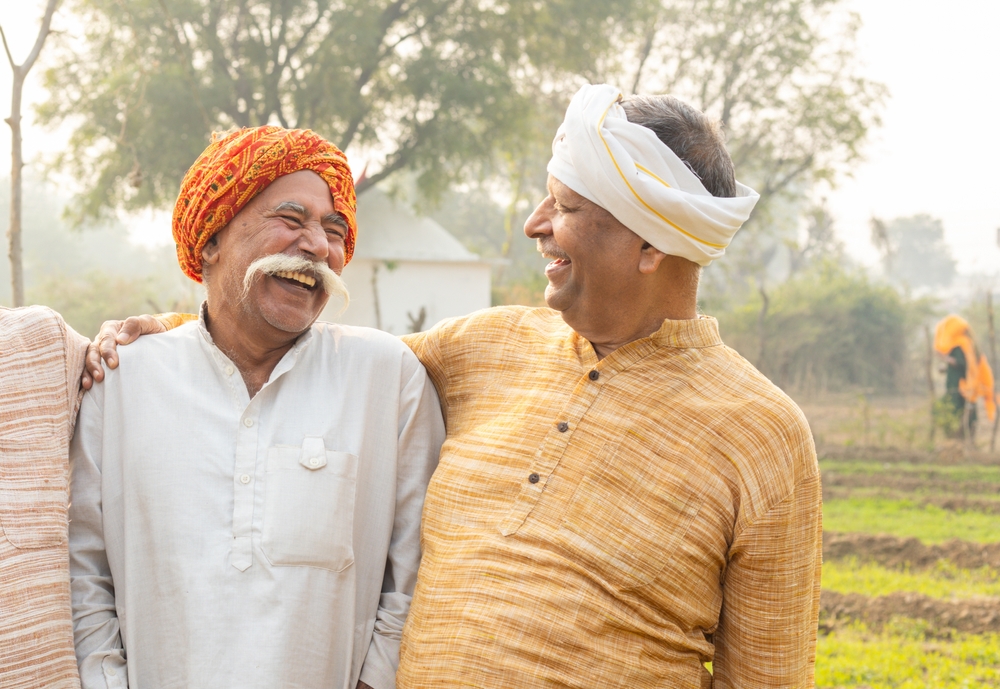
Perhaps the most encouraging truth is that friendship does not belong only to youth. Some of the most meaningful friendships I have experienced began after sixty. As we grow older, we become less interested in impressing people and more interested in understanding them. The performance fades. Conversations become deeper, expectations simpler, and relationships more authentic. There is less need to project success, to manage appearances, or to say what people want to hear. At this stage of life, friendship is no longer about opportunity or advantage. It is about companionship, the simple, profound gift of another person choosing to spend their time with you.
There is also something to be said for making new friends deliberately. Join a reading group. Attend that reunion you have been putting off. Accept the dinner invitation even when you would rather stay home. The investment is rarely wasted. New friendships bring fresh perspectives and unexpected joys, and they remind us that we are still capable of growth, still interesting, still engaged with the world beyond our immediate circle.
In the end, life asks us to let go of many things. Titles fade, responsibilities diminish, possessions lose their importance, and ambitions subdued. What remains are relationships. Among them, friendship occupies a special enduring place. A true friend is someone who notices when you are absent, remembers your birthday without an electronic reminder, and genuinely enjoys your company without needing anything in return. As we grow older, we discover that success is measured by how many remain beside us.