






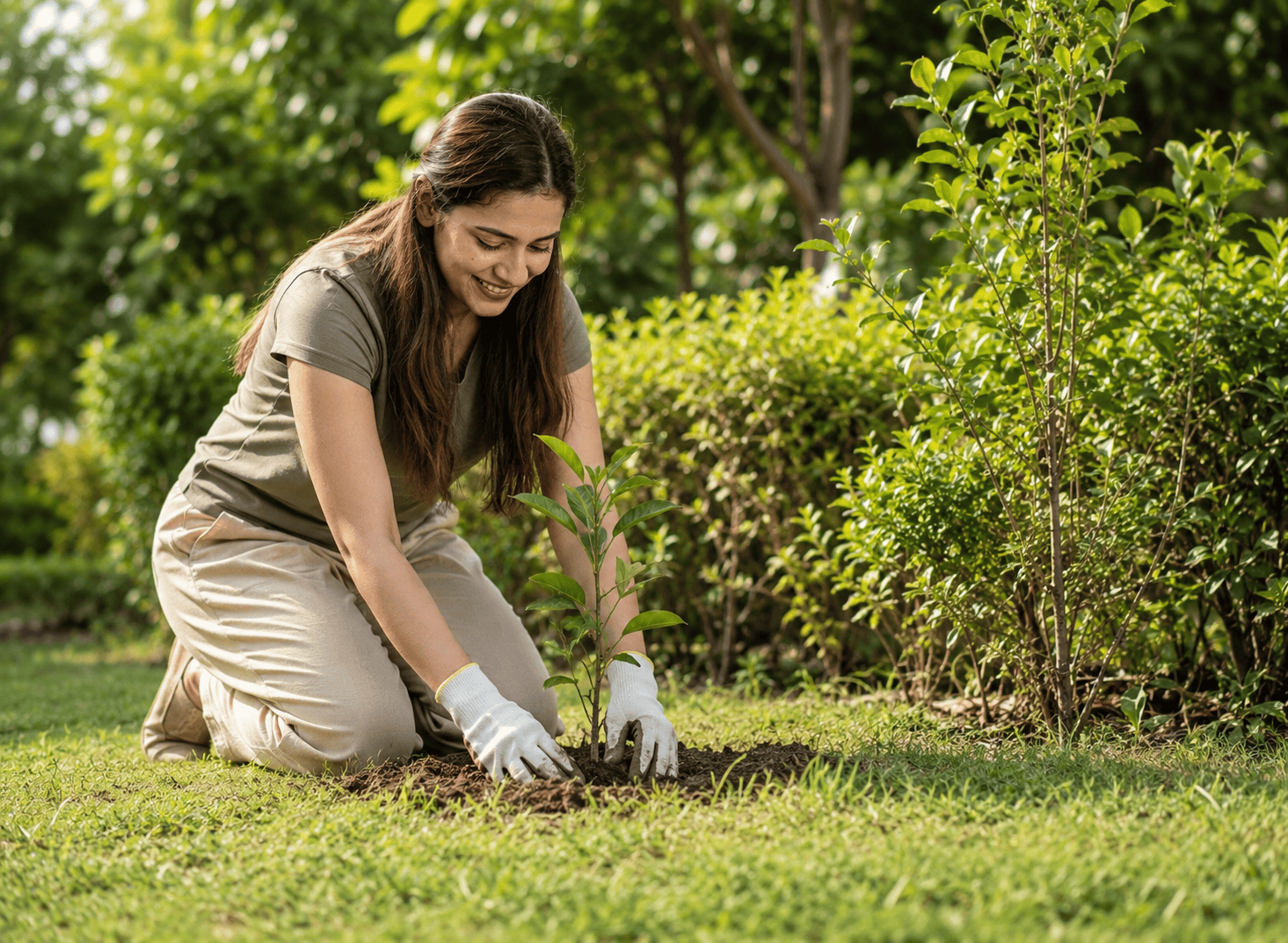
In protecting trees, we are ultimately protecting ourselves and the generations to come
July 1–10 marks Van Mahotsav Week, India’s annual festival of trees. Across the country, millions of saplings will be planted by governments, schools, organisations, communities and individuals. Yet while planting new trees is important, protecting the mature trees we already have may be even more valuable.
We have cut down billions of trees in the name of growth and development. As India welcomes the so far shaky monsoon, this is the perfect time to reflect on our relationship with trees—not merely as greenery, but as life-giving companions that quietly support every breath we take.
Trees: Our Silent Life Force
A tree asks for very little and gives endlessly in return. It cleans the air, cools our neighbourhoods, prevents soil erosion, supports wildlife, stores carbon and provides shade on the hottest days. Scientific studies have shown that trees improve physical health, reduce stress, lower blood pressure and enhance emotional well-being.
For many seniors, trees are also living memory keepers. They may have watched a mango tree grow alongside their children, rested beneath a banyan tree during village gatherings, or enjoyed evening walks under avenues lined with rain trees. Trees connect generations.
Plant a Tree, But Also Protect One
During Van Mahotsav, much attention is rightly given to planting saplings. The Government of India, state authorities, security forces, NGOs and citizens are joining hands to plant crores of trees this year.
However, planting is only the beginning.
A mature tree that has survived for decades provides far greater environmental benefits than a newly planted sapling. Sadly, many healthy trees continue to be cut down for development, convenience or neglect.
This Van Mahotsav, let us make a simple pledge:
“Plant a tree when possible. Protect a tree whenever necessary.”
A sapling takes years to become a shade-giving giant. Every existing tree we save is an investment in cleaner air, cooler cities and a healthier future.
What Seniors Can Do
You do not need to dig large pits or undertake strenuous activity to contribute.
You can:
- Sponsor a sapling and ensure its care.
- Encourage children and grandchildren to plant a tree and watch it grow.
- Water young trees during dry spells.
- Support local afforestation efforts.
- Speak up when unnecessary tree cutting is proposed.
- Join resident welfare groups that protect green spaces.
- Grow native plants and small trees in gardens and community spaces.
- Share stories about the trees that shaped your childhood.
Your wisdom and influence can inspire younger generations to value nature.
Every Tree Has a Story
A Legacy for Future Generations
The best time to plant a tree was twenty years ago. The second-best time is today.
As Van Mahotsav 2026 unfolds, let us remember that trees are not obstacles to progress. They are partners in our survival. They provide oxygen, shelter birds and animals, cool our cities and enrich our lives in countless ways.
Long after we are gone, a tree planted today may still be offering shade to a child, shelter to a bird and clean air to a community.
What greater legacy could we leave behind?
This Van Mahotsav, plant a tree. Protect a tree. Celebrate a tree.
For in protecting trees, we are ultimately protecting ourselves.
July 1–10: Van Mahotsav Week, India’s annual tree plantation drive
Van Mahotsav Week (July 1–7, 2026) kicks off India’s monsoon plantation drives, with millions of saplings being planted nationwide through government programs, state campaigns, and NGO initiatives.
The 2026 plans for tree planting around India include:
- National Government & Security Forces: The Ministry of Home Affairs (MHA) has launched an afforestation drive targeting the planting of 7 crore saplings during 2026. Central Armed Police Forces (CAPFs) are tasked with planting 40 lakh saplings as part of this initiative, covering various terrains across the country. [1, 2]
- State & Municipal Drives: Regional governments are heavily participating. For instance, Delhi has launched a mega plantation drive under the “Ek Ped Maa Ke Naam” initiative with an ambitious target of planting 70 lakh (7 million) saplings. [1, 2, 3, 4]
- NGO & Community Action: Organizations like the SankalpTaru Foundation and Vasundhara Sanjivani Mandal are conducting geo-tagged, community-driven plantation projects across rural and urban areas in 28 states. [1, 2]
- Corporate & Local Action: Private organizations are hosting corporate social responsibility (CSR) drives, and local schools and individuals are pledging to “Plant a tree for Mother Earth” during the monsoon