






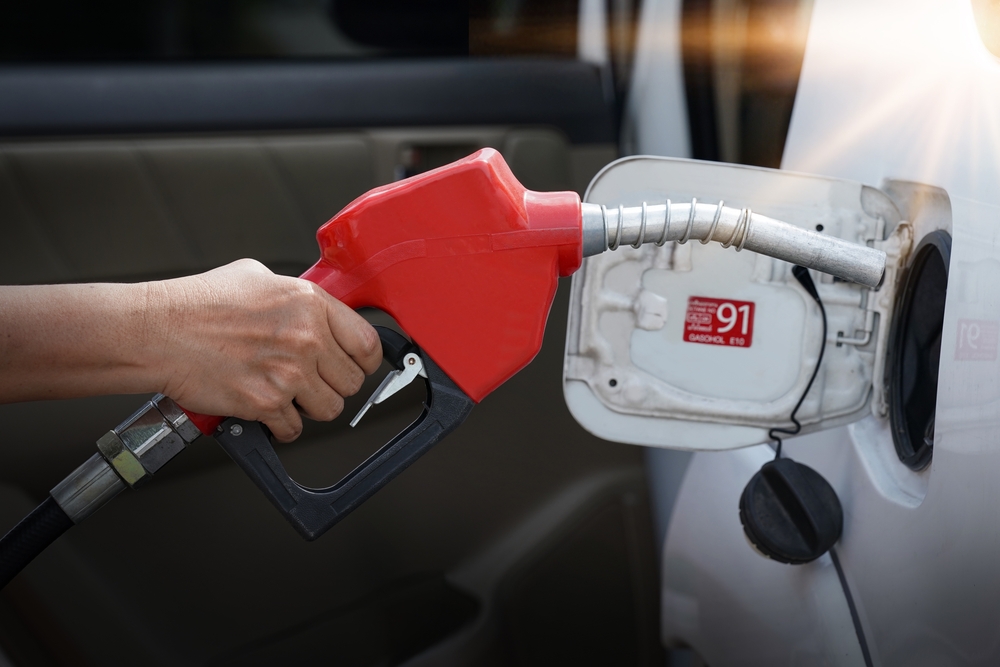
Thoughtful habits for uncertain times can go a long way in being collectively responsible
In times of global conflict and uncertainty, everyday resources like fuel take on deeper significance. Petrol, diesel, and cooking gas are not just household essentials—they are part of a larger, fragile supply chain. Conserving them becomes an act of prudence, resilience, and collective responsibility.
The encouraging truth is this: small, mindful changes at home and on the road can make a meaningful difference—both to your expenses and to the wider community.
On the Road: Travel with Intention
-
Reduce Non-Essential Travel
In sensitive times, it helps to ask: Is this journey necessary?
- Combine errands into one trip
- Walk or cycle for short distances
- Use public transport where possible
Less travel means lower fuel consumption and reduced strain on supply systems.
-
Drive Calmly and Efficiently
Aggressive driving—rapid acceleration and braking—burns more fuel. A steady pace conserves energy and improves mileage.
-
Avoid Idling
Keeping the engine running while waiting wastes fuel. Turning it off, even briefly, can add up to significant savings over time.
-
Maintain Your Vehicle
- Proper tyre pressure reduces drag
- Regular servicing ensures efficient combustion
A well-maintained car simply uses less fuel.
In the Kitchen: Smarter Use of Cooking Gas
-
Cook Efficiently
- Use lids to retain heat
- Match flame size to your pan
- Opt for pressure cooking where possible
These small changes reduce cooking time—and gas use.
-
Prep to Save Energy
Soaking lentils, beans, and grains beforehand significantly cuts cooking time.
-
Keep Burners Clean
A steady blue flame indicates efficient gas use. Yellow or uneven flames often mean wasted fuel.
The Power of No-Cook Meals
One of the simplest yet most impactful ways to save cooking gas is to embrace no-cook or low-cook meals, especially during hot summer months.
Easy No-Cook Ideas:
- Fresh salads with cucumber, tomato, sprouts, and peanuts
- Curd-based dishes like raita or seasoned yoghurt bowls
- Fruit bowls with nuts and seeds
- Soaked poha or chivda mixes with spices and herbs
- Cold sandwiches or wraps with fresh vegetables and chutneys
Why it matters:
- Saves LPG
- Preserves nutrients often lost in cooking
- Keeps the body cool in summer
In many Indian homes, such meals are already part of tradition—this is simply a return to wise, seasonal eating.
The Science of Saving
Saving gas is, at its core, about efficiency and conservation:
- Less driving reduces fuel combustion and emissions
- Efficient cooking improves heat transfer and minimises waste
- No-cook meals eliminate energy use entirely
Each small action reduces demand—helping stabilise supply in challenging times.
A Quiet Collective Effort
Moments of global tension often remind us how interconnected we are. Choosing to:
- Travel only when necessary
- Cook thoughtfully
- Embrace simpler meals
…becomes more than a personal choice—it becomes a shared contribution to resilience.
In uncertain times, we may not control global events—but we can shape our daily habits.
Saving gas is not about restriction; it is about resourcefulness, care, and quiet awareness. And sometimes, the simplest acts—walking instead of driving, enjoying a fresh no-cook meal—carry the deepest impact.
A little less consumption today can help ensure greater stability for tomorrow.