






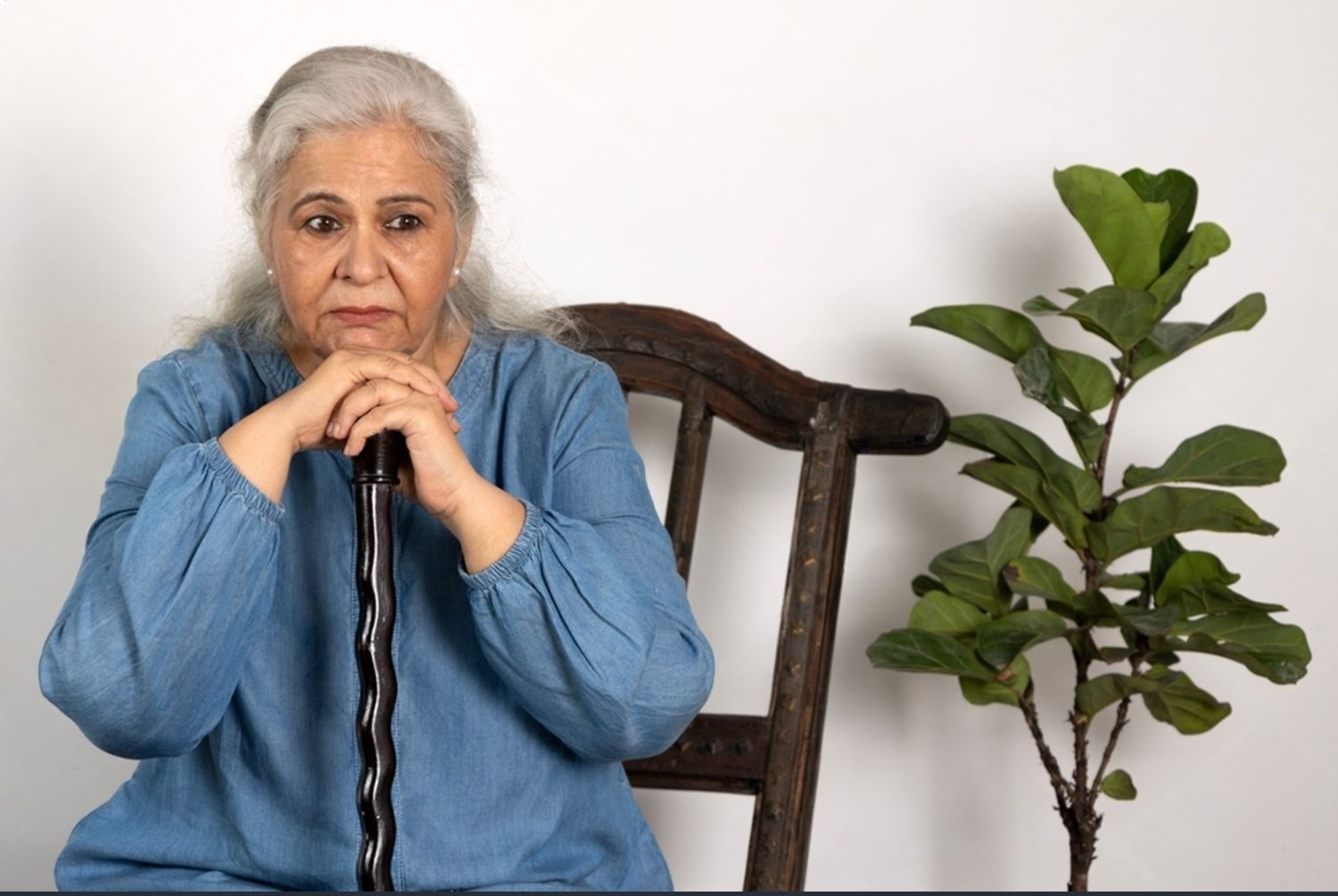
While chronic illness may become part of your life, it does not need to become your identity
There comes a moment for many older adults when health conditions slowly begin to take up more space in life than they once did. A blood pressure tablet here. A diabetes check there. Arthritis in the knees. A troublesome back. Maybe heart medication, inhalers, or regular doctor visits.
Over time, it can begin to feel as though life revolves around symptoms, appointments, reports and routines.
But while chronic illness may become part of your life, it does not become your identity.
You are still the same person who laughed loudly at family dinners, loved old songs, worried about children, celebrated festivals, made sacrifices, worked hard, and built a life full of stories. Illness may change certain routines — but it does not erase who you are.
The Quiet Emotional Weight of Chronic Illness
Many seniors live with conditions that cannot simply be “cured”. Diabetes, arthritis, heart disease, COPD, osteoporosis, Parkinson’s disease and chronic pain often require lifelong management.
Medical science has greatly improved life expectancy and comfort for people living with chronic illnesses. However, doctors increasingly recognise that emotional wellbeing matters just as much as physical treatment.
Research in ageing and mental health shows that people who maintain a strong sense of identity, purpose and social connection often cope better emotionally and physically with chronic illness.
The challenge is that chronic illness can slowly narrow a person’s world.
Conversations become centred around reports and medicines. Family members ask only, “How is your sugar level?” or “What did the doctor say?” Some people stop doing hobbies because they feel tired or embarrassed. Others begin to feel like a burden.
This emotional shrinking can sometimes be more painful than the illness itself.
You Are a Person First — A Patient Second
One of the healthiest mindset shifts is learning to see yourself as a person managing an illness, rather than an “ill person”.
There is a difference.
A woman with arthritis is still a grandmother, reader, cook, gardener and friend.
A man with heart disease is still a storyteller, cricket lover, music enthusiast and father.
Illness is only one chapter of a much larger life.
Psychologists often encourage seniors to continue engaging with the parts of themselves that existed long before the diagnosis. This may include:
- Listening to music you love
- Staying involved in family discussions
- Pursuing spiritual practices
- Reading, painting or gardening
- Learning something new
- Meeting friends
- Celebrating small pleasures
These activities are not “extras”. They are deeply connected to emotional resilience and cognitive wellbeing.
Avoid Letting Every Conversation Become About Health
Of course, health matters. But when every conversation revolves around medicines, symptoms and doctor visits, it can unintentionally make illness feel larger than life itself.
Try gently shifting some conversations towards:
- Films or books
- Family memories
- Current events
- Recipes
- Travel dreams
- Childhood stories
- Music and nostalgia
- Humour
Laughter and storytelling are powerful medicine too.
Many seniors notice that when they speak less about illness all day long, they feel emotionally lighter — even if the condition itself has not changed.
Accept Help Without Losing Independence
One difficult balance for many older adults is learning how to accept support while still preserving dignity and independence.
Needing help does not mean becoming helpless.
Using a walking stick, taking medication, attending physiotherapy or asking for assistance with shopping does not reduce your worth. In fact, accepting practical support often helps seniors stay independent for longer.
Small adaptations can protect both safety and confidence.
Build Routines That Support — Not Control — Your Life
Healthy routines are important in managing chronic illness:
- Taking medicines regularly
- Sleeping well
- Staying hydrated
- Eating balanced meals
- Gentle movement and exercise
- Attending medical appointments
But life should not become so rigid that joy disappears.
A healthy life still has room for:
- Favourite foods in moderation
- Family outings
- Afternoon naps
- Festivals and celebrations
- Hobbies
- Rest days
- Spontaneous pleasures
The goal is not perfection. The goal is sustainability.
Chronic Illness Can Teach Unexpected Strength
Many seniors quietly develop enormous resilience through illness. Patience. Adaptability. Gratitude for ordinary days. Compassion for others.
Some even discover that slowing down changes what they value most.
A peaceful morning tea.
A pain-free day.
A phone call from an old friend.
Sunlight through the window.
A grandchild’s laugh.
These moments become richer and more meaningful.
Stay Connected to Purpose
Studies on healthy ageing consistently show that a sense of purpose improves emotional wellbeing and may even support physical health outcomes.
Purpose does not have to be dramatic.
It may simply mean:
- Looking after a pet
- Teaching grandchildren recipes
- Helping neighbours
- Praying daily
- Volunteering
- Caring for plants
- Writing memories down
- Staying emotionally available to loved ones
Purpose reminds us that we still matter deeply to the world around us.
There may be days when your body feels frustrating. Days of pain, fatigue or limitation. That is real, and it deserves compassion.
But your diagnosis is not your entire story.
You are still yourself — with memories, humour, wisdom, relationships, preferences, dreams and dignity.
And even with chronic illness, life can still contain beauty, connection, comfort and meaning.
Growing older is not about becoming defined by illness.
It is about learning how to continue living fully alongside it.