






A coastal treasure with cooling charm and quiet scientific brilliance, kokum deserves a place in your kitchen
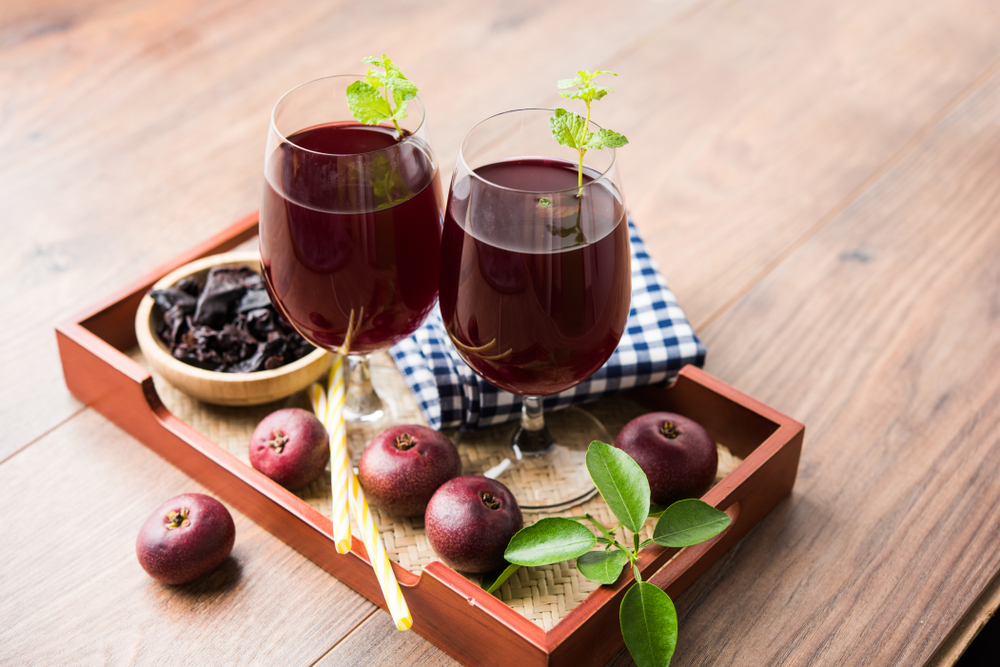
On a sweltering summer afternoon along the Konkan coast, there is nothing quite as restorative as a chilled glass of kokum sherbet—deep ruby in colour, gently tangy, and instantly refreshing. Known scientifically as Garcinia indica, kokum is far more than a culinary delight. It is a nutritional powerhouse, a traditional remedy, and a climate-wise crop perfectly suited to India’s coastal ecology.
Let us explore why this humble berry deserves a place of honour in your summer routine.
What Exactly Is Kokum?
Kokum grows on an evergreen tree native to the Western Ghats, particularly thriving in regions like Goa, Maharashtra, and Karnataka. The fruit is small and plum-like, turning a rich purple when ripe. Once dried, its rind becomes the familiar wrinkled kokum used in curries and drinks.
For generations, kokum has been woven into regional life—from soothing digestive tonics to tangy fish curries. But now, modern science is catching up with tradition.
Science-backed Benefits
Kokum’s benefits are not merely anecdotal—they are backed by its impressive biochemical profile:
Rich in Hydroxycitric Acid (HCA)
Kokum contains hydroxycitric acid, a compound studied for its potential to:
- Support healthy metabolism
- Reduce fat accumulation by inhibiting certain enzymes
- Aid appetite regulation
While research is ongoing, HCA has sparked interest in nutritional science as a natural metabolic aid.
Packed with Antioxidants
Kokum is abundant in anthocyanins—the same class of antioxidants found in berries like blueberries.
These compounds help:
- Combat oxidative stress
- Support heart health
- Protect cells from ageing and environmental damage
Its deep purple hue is a visual cue to its antioxidant richness.
Natural Cooling Properties
In traditional systems like Ayurveda, kokum is prized for its “cooling” (pitta-pacifying) effect.
Scientifically, its hydrating and electrolyte-supporting qualities make it:
- Ideal for preventing dehydration
- Helpful in managing heat fatigue
- A gentle alternative to sugary summer drinks
Digestive Support
Kokum has long been used to:
- Ease acidity
- Improve digestion
- Reduce bloating
Its mild acidity stimulates digestive enzymes, making it a natural digestive tonic after heavy meals.
From Tree to Table: Everyday Uses
Kokum’s versatility is part of its charm:
- Kokum Sherbet: A refreshing summer drink with cumin, black salt, and a hint of jaggery
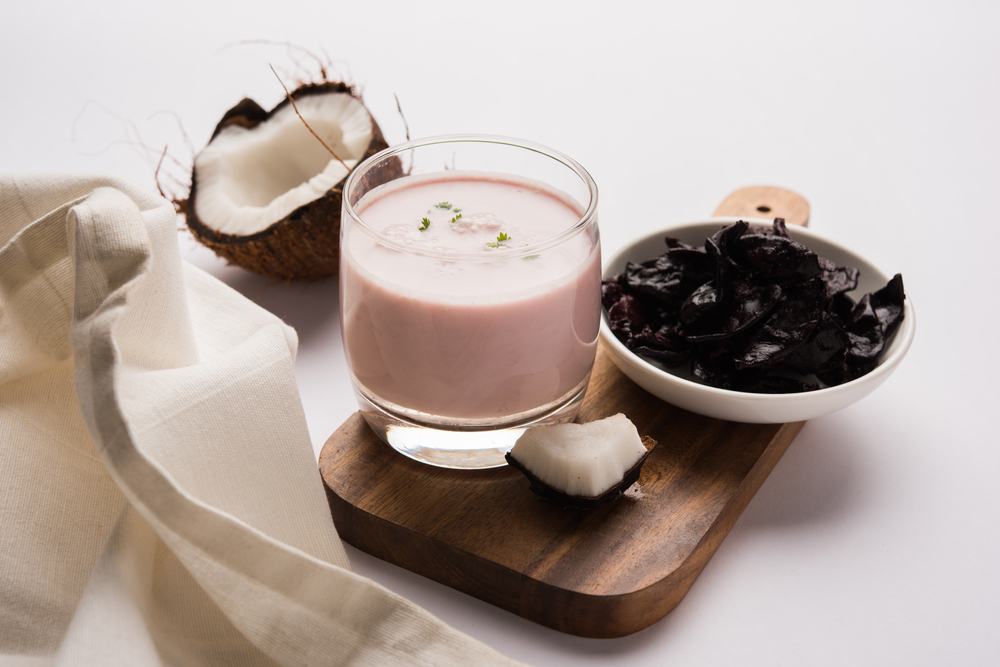
- Sol Kadhi: A coastal favourite combining kokum with coconut milk
- Curries and Gravies: Adds a tangy depth without the sharpness of tamarind
- Kokum Butter: Extracted from seeds, used in skincare for its moisturising properties
An Ecological Ally
Beyond personal health, kokum supports the planet:
- 🌳 Native and resilient: Thrives in local climates with minimal intervention
- 💧 Low water requirement compared to many commercial crops
- 🐝 Supports biodiversity: Its flowers attract pollinators
In an era of climate uncertainty, kokum represents a sustainable, regionally adapted crop that aligns with ecological gardening and farming.
A Gentle Reminder from Nature
In a world increasingly drawn to exotic “superfoods,” kokum quietly reminds us that some of the most powerful remedies are already growing in our backyard.
Its story is one of balance—between tradition and science, flavour and function, indulgence and wellbeing.
So the next time the summer heat rises, reach not just for relief—but for nourishment. A glass of kokum sherbet may well be nature’s way of saying: slow down, cool off, and restore.
Cool Recipe Box: Kokum Summer Specials
Bring the magic of kokum into your kitchen with these refreshing, science-smart recipes—designed to cool the body, aid digestion, and delight the senses during the Indian summer.
-
Classic Kokum Sherbet
A timeless cooling elixir
Ingredients:
- 8–10 dried Garcinia indica (kokum petals)
- 2–3 tbsp jaggery (adjust to taste)
- 1 cup warm water
- 2 cups chilled water
- A pinch of roasted cumin powder
- A pinch of black salt
Method:
- Soak kokum in warm water for 30 minutes.
- Mash gently to release the deep colour and flavour.
- Strain, add jaggery, and stir until dissolved.
- Mix in chilled water, cumin, and black salt.
Why it works:
Hydrating, electrolyte-balancing, and rich in antioxidants—perfect for beating heat fatigue.
-
Sol Kadhi (Coastal Comfort)
A soothing digestive from the Konkan coast
Ingredients:
- 8–10 kokum petals
- 1 cup coconut milk
- 2 cups water
- 2 cloves garlic (crushed)
- Fresh coriander leaves
- Salt to taste
Method:
- Soak kokum and extract its juice.
- Mix with coconut milk and water.
- Add garlic, salt, and garnish with coriander.
- Chill lightly before serving.
Why it works:
Combines kokum’s acidity with coconut’s healthy fats—gentle on the stomach and deeply cooling.
🍧 3. Kokum Mint Cooler
A vibrant, garden-fresh twist
Ingredients:
- Kokum extract (from soaked kokum)
- A handful of fresh Mentha (mint leaves)
- 1 tbsp honey or jaggery
- Chilled water or soda
- Ice cubes
Method:
- Blend mint leaves with a little water.
- Mix with kokum extract and sweetener.
- Top with chilled water or soda and ice.
Why it works:
Mint enhances the cooling effect while adding digestive benefits and freshness.
🍨 4. Kokum & Chia Refresher
A modern, nutrient-rich cooler
Ingredients:
- 2 tbsp kokum syrup or extract
- 1 tsp chia seeds (soaked)
- 1 glass chilled water
- A dash of lemon juice
Method:
- Mix kokum syrup with water.
- Add soaked chia seeds and lemon juice.
- Stir well and serve chilled.
Why it works:
Chia adds fibre and hydration, making this drink both refreshing and sustaining.
- Kokum Digestive Shot
A tiny tonic with big benefits
Ingredients:
- 2 tbsp concentrated kokum extract
- A pinch of black salt
- A pinch of dry ginger powder
Method:
- Mix all ingredients into a small shot glass.
- Sip slowly after meals.
Why it works:
Stimulates digestion, reduces bloating, and refreshes the palate.
These recipes are more than just summer treats—they are a blend of tradition, taste, and thoughtful nutrition. Whether you sip slowly on a quiet afternoon or serve guests a chilled glass of kokum sherbet, you are partaking in a legacy that beautifully marries science with sensibility.