






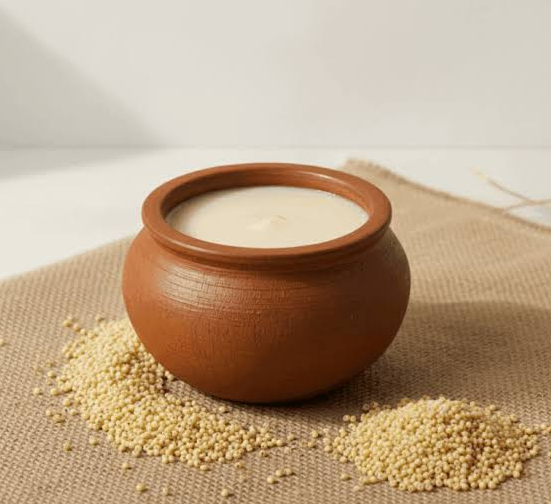
An ancient fermented drink that combines tradition, nutrition and modern science
In an age when supermarket shelves are lined with probiotic yoghurts, kombucha, kefir and expensive wellness drinks, one of India’s oldest health beverages has quietly remained in village kitchens for centuries. Known as Ambali, this humble fermented drink, usually made from millets such as finger millet (ragi), sorghum (jowar) or pearl millet (bajra), has nourished generations through scorching summers, demanding farm work and lean seasons.
Today, nutrition scientists are taking a fresh look at fermented traditional foods, recognising that many of them support gut health, improve nutrient absorption and provide sustained energy. While Ambali is not a miracle drink or a cure for disease, it is a nourishing example of how simple ingredients and time-tested preparation methods can produce something both delicious and beneficial.
Whether you are looking for a wholesome breakfast, a refreshing summer drink or simply wish to reconnect with traditional Indian foods, Ambali deserves a place in your kitchen.
What Exactly Is Ambali?
Ambali is a thin, lightly fermented porridge or drink prepared by mixing millet flour with water, allowing it to ferment naturally and then cooking it gently. Once cooled, it may be enjoyed plain or mixed with buttermilk, yoghurt, herbs or spices.
It has been part of the culinary traditions of Karnataka, Telangana, Andhra Pradesh, Maharashtra and several tribal communities, although recipes vary from region to region. Some versions are savoury, while others are lightly sweetened with jaggery.
Historically, Ambali was valued because it was:
- inexpensive to prepare,
- filling without being heavy,
- easy to digest,
- cooling during hot weather,
- and capable of sustaining energy for several hours.
Long before refrigeration and packaged sports drinks, it provided hydration, nourishment and electrolytes to people working outdoors.
Why Fermentation Matters
Fermentation is one of humanity’s oldest methods of preserving food. It occurs when naturally occurring beneficial microorganisms—primarily lactic acid bacteria—break down carbohydrates into organic acids.
This simple process changes food in remarkable ways.
Research has shown that fermentation can:
- improve digestibility,
- reduce naturally occurring phytates that bind minerals,
- increase the availability of iron, calcium and zinc,
- enhance certain B vitamins,
- encourage the growth of beneficial bacteria,
- improve flavour and texture.
These changes may explain why fermented foods have featured in healthy traditional diets across the world—from kimchi in Korea and sauerkraut in Germany to idli batter, curd and Ambali in India.
Why Gut Health Matters More As You Age
Your digestive system changes naturally with age.
Stomach acid production may decrease, bowel movements may slow, medications may alter the gut microbiome and appetite often becomes less predictable. Together, these changes can affect digestion, nutrient absorption and overall wellbeing.
Although Ambali should not be viewed as a substitute for a varied diet rich in fruits, vegetables and fibre, it may support digestive health in several ways.
Freshly fermented Ambali contains naturally occurring beneficial bacteria. If consumed without excessive reheating, these microorganisms may contribute to a more diverse gut microbiome. Fermentation also partially breaks down starches, making the drink easier to digest than many unfermented cereal preparations.
The combination of soluble fibre, resistant starch and whole grains may also encourage healthy bowel function and help beneficial gut bacteria thrive.
The Nutritional Power of Millets
The nutritional value of Ambali depends on the grain used.
Finger Millet (Ragi)
Perhaps the best-known variety, ragi is naturally rich in calcium, dietary fibre and polyphenols. It also provides useful amounts of iron, magnesium and essential amino acids.
For older adults who may struggle to meet their calcium needs, ragi can make a valuable contribution as part of an overall balanced diet.
Pearl Millet (Bajra)
Bajra provides magnesium, potassium, fibre and plant protein. It has a relatively low glycaemic index compared with many refined grains, which may help support steadier blood glucose levels when eaten as part of a balanced meal.
Sorghum (Jowar)
Jowar supplies antioxidants, dietary fibre and naturally occurring plant compounds that have been associated with heart health and reduced inflammation in laboratory studies.
Other Traditional Millets
Foxtail millet, little millet, kodo millet and barnyard millet each contribute different combinations of fibre, vitamins and minerals. Rotating different grains also increases dietary diversity.
Can Ambali Help Control Blood Sugar?
Several studies suggest that whole millets generally produce a slower rise in blood glucose than refined rice or wheat products because they contain more fibre, protein and resistant starch.
Fermentation may further improve this response by altering the structure of the starch.
However, portion size still matters.
If you have diabetes, Ambali should be viewed as one component of an overall healthy eating pattern rather than a treatment. Monitoring your blood glucose and following your healthcare professional’s advice remain essential.
A Drink That Helps You Stay Hydrated
Traditional Ambali was often consumed during the hottest months of the year.
When prepared with buttermilk, it supplies fluid along with modest amounts of sodium, potassium and calcium. This makes it refreshing after outdoor activity or during periods of excessive heat.
Unlike many commercial drinks, Ambali contains no artificial colours or preservatives, and you control the amount of salt or sweetener added.
Click here for Dr Khadar’s recipe
Dr Khader Vali and the Revival of Ambali
In recent years, millet researcher and educator Dr Khader Vali has played an important role in popularising traditional millet-based diets. He advocates the regular use of what he calls “positive millets”—including foxtail, little, kodo, barnyard and browntop millet—as part of a diverse, minimally processed diet. (see the table below):
| English Name | Hindi Name | Other Common Indian Names |
|---|---|---|
| Foxtail Millet | कंगनी (Kangni) | Korra (Telugu), Navane (Kannada), Thinai (Tamil) |
| Little Millet | कुटकी (Kutki) | Sama (some regions), Saame (Kannada), Samai (Tamil) |
| Kodo Millet | कोदो (Kodo) | Kodra, Varagu (Tamil), Arikelu (Telugu) |
| Barnyard Millet | सांवा (Sanwa/Sama) | Samvat Rice, Udalu (Kannada), Kuthiraivali (Tamil) |
| Browntop Millet | हरिकंगनी (Hari Kangni) or ब्राउनटॉप बाजरा (Brown Top Bajra) | Korale (Kannada), Andu Korralu (Telugu) |
His approach to Ambali emphasises whole grains, natural fermentation and simple preparation without unnecessary additives. While many people report enjoying this style of Ambali, it is important to note that not all of the broader health claims sometimes associated with millet-based diets have been confirmed by large clinical trials. The strongest scientific evidence currently supports the nutritional benefits of whole millets and the value of fermentation rather than claims that any single food can prevent or cure disease.
How to Prepare Ambali
One commonly used traditional method is simple.
Ingredients
- ½ cup whole millet flour (ragi or another millet)
- 2 cups clean drinking water
- 2–3 cups additional water for cooking
- Buttermilk (optional)
- Salt to taste
- Fresh curry leaves
- Coriander leaves
- Roasted cumin powder
- Grated ginger
- Finely chopped green chilli (optional)
Method
- Mix the millet flour with water until smooth, without lumps.
- Cover loosely and leave to ferment for 8–12 hours, depending on the weather. In cooler conditions, fermentation may take longer.
- Bring the additional water to a gentle boil.
- Slowly pour in the fermented mixture while stirring continuously.
- Simmer gently for 8–10 minutes until lightly thickened.
- Allow it to cool completely.
- Mix with buttermilk if desired.
- Season with salt, cumin, ginger and fresh herbs.
The finished Ambali should have a pleasant, mildly sour aroma. An unpleasant smell, mould or excessive bubbling suggests spoilage, and it should be discarded.
Common Mistakes to Avoid
Even simple foods can go wrong.
Avoid these common errors:
- using contaminated water,
- allowing fermentation for too long in very hot weather,
- storing it unrefrigerated after cooking,
- adding excessive salt,
- using highly refined grain flour instead of whole grain,
- boiling vigorously after adding buttermilk,
- preparing large batches that remain unused for several days.
Fresh preparation generally gives the best flavour.
Can You Drink It Every Day?
For most healthy adults, Ambali can be enjoyed regularly as part of a varied diet.
A serving of around 150–250 ml works well as:
- breakfast,
- a mid-morning drink,
- a light evening meal,
- or after gentle exercise.
Pairing it with a handful of roasted chickpeas, sprouts or a boiled egg can increase its protein content.
Who Should Be Cautious?
Although Ambali is nutritious, it is not suitable for everyone.
You should seek individual dietary advice if you:
- have advanced kidney disease,
- are severely immunocompromised,
- have celiac disease and are using wheat instead of naturally gluten-free millets,
- have digestive conditions that require specialised dietary management.
If you are new to fermented foods, introduce them gradually to allow your digestive system time to adapt.
Always consult you doctor or dietitian before incorporating foods into your diet.
Understanding Time Tested Traditions
Perhaps Ambali’s greatest lesson is not simply about nutrition—it is about remembering the wisdom embedded in traditional food cultures.
Long before the words gut microbiome, probiotics and functional foods entered our vocabulary, families understood that soaking, fermenting and cooking grains carefully made them more nourishing, more digestible and more enjoyable.
Modern science is now helping us understand why these practices worked so well.
In a world increasingly dominated by ultra-processed foods, Ambali offers something refreshingly different: a drink made from simple ingredients, prepared with patience rather than additives, and enjoyed not because it promises miracles, but because it has stood the test of time.
If your kitchen already has a jar of millet flour, you may be only one night’s fermentation away from rediscovering one of India’s oldest—and perhaps most underrated—health drinks.