






Theme 2026: “Reimagine: Beyond the world we know, a new relationship with our ocean.”
When most of us think about the ocean, we picture beaches, fishing boats, holidays by the sea, or perhaps a beautiful sunset over the water. Yet the truth is far more profound: the ocean is the beating blue heart of our planet.
For too long, we have treated the ocean as something vast, distant, and separate from us. We created that distance ourselves. The ocean has always flowed through us, in the air we breathe, the food we eat, and the climate that makes our lives possible. Now we are being called to reimagine that relationship. For the first time in a generation, humanity has chosen to govern a significant part of our shared ocean together.
‘Reimagine’ asks us to close that distance together. To move from passive inheritors of the ocean’s generosity to active guardians of its future. To govern not just beyond our borders but beyond our blind spots, beyond the habits of taking, operating in silos, and the belief that the way things have been is the way they must remain. – https://unworldoceansday.org/
Our oceans produce at least half of the oxygen we breathe, regulate our climate, feed billions of people, absorb enormous amounts of carbon dioxide, and supports countless forms of life. Without healthy oceans, there can be no healthy Earth.
On World Oceans Day 2026, the United Nations is asking humanity to reimagine its relationship with the sea—not as an endless resource to exploit, but as a living system that sustains every one of us.
The Ocean Controls More Than We Realise
Many people are surprised to learn that the ocean influences events far beyond coastal regions.
The heatwaves we endure, the rainfall patterns that affect our crops, the storms that batter our coastlines, and even phenomena such as El Niño and La Niña are all closely linked to the way oceans store and move heat around the globe.
The ocean acts as Earth’s largest climate regulator. It absorbs about 30% of human-generated carbon dioxide and vast amounts of excess heat. When ocean temperatures change, weather systems change too.
This is why marine heatwaves, rising sea temperatures, and changing ocean currents are contributing to:
- More extreme heat events
- Unpredictable monsoons
- Stronger cyclones
- Coastal flooding
- Coral reef destruction
- Declining fish populations
In simple terms, when we damage the ocean, the ocean’s ability to protect us diminishes.
The Food on Your Plate Begins in the Ocean
Even if you never eat seafood, your food security depends on healthy oceans.
More than a billion people rely on the ocean as a primary source of protein. Fisheries support millions of livelihoods and contribute significantly to global nutrition.
But overfishing, pollution, warming waters, and habitat destruction are reducing fish stocks worldwide.
Imagine a farmer whose crops fail because rainfall patterns have changed. Imagine fishing communities struggling because catches have dwindled. Imagine food prices rising because marine ecosystems are under stress.
These are not distant possibilities. They are already happening.
The health of the ocean affects the affordability, availability, and sustainability of food for everyone.
India and the Ocean: A Relationship Under Pressure
For India, the ocean is not merely an environmental issue—it is an economic, cultural, and social lifeline.
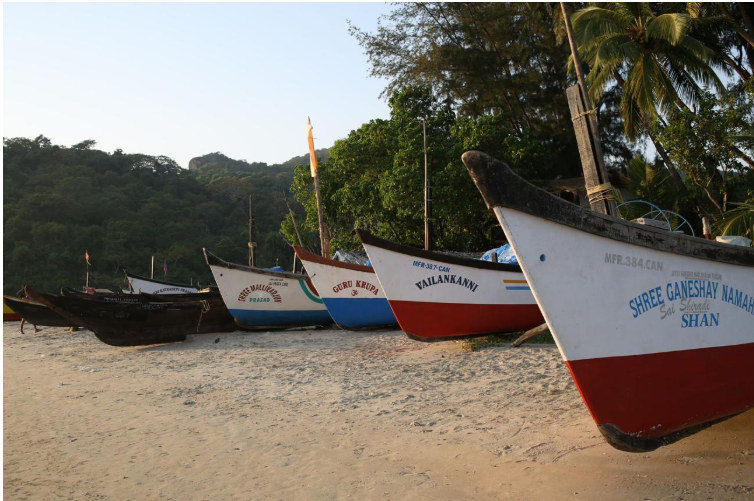
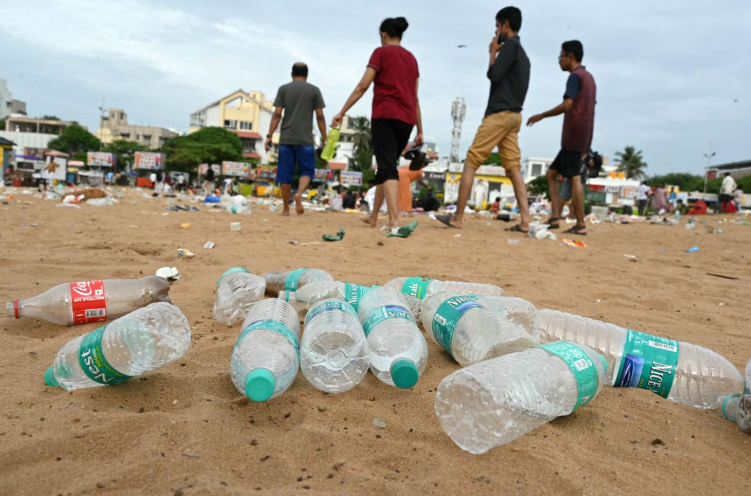
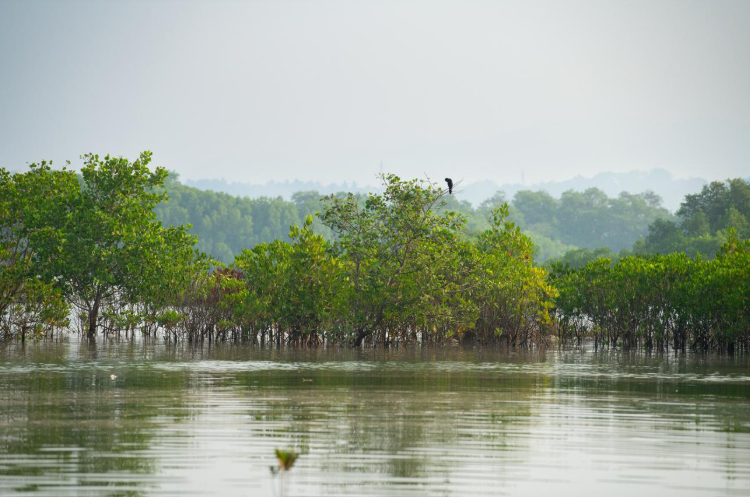
With a coastline stretching over 7,500 kilometres and millions dependent on marine livelihoods, India is deeply connected to the Indian Ocean.
Yet our oceans face growing challenges:
Plastic Pollution
Too much plastic still finds its way into rivers, estuaries, beaches, and eventually the sea. Plastic bags, bottles, food packaging, fishing gear, and microplastics harm marine life and enter the food chain.
Sea turtles, seabirds, dolphins, and fish often mistake plastic for food, with devastating consequences.
Coastal Development
Rapid construction along coastlines can damage mangroves, wetlands, and natural buffers that protect communities from storms and erosion.
Sewage and Wastewater
Untreated or poorly treated sewage entering rivers and coastal waters reduces water quality and threatens marine ecosystems.
Overfishing
Unsustainable fishing practices can deplete fish populations faster than nature can replenish them.
Coral Reef Stress
India’s coral reefs in places such as Lakshadweep and Gulf of Mannar are increasingly threatened by warming seas and pollution. The coral reefs in the Andaman and Nicobar Islands face severe threats from warming seas and pollution, experiencing catastrophic mass bleaching events during marine heatwaves and other developmental factors.
The irony is that the communities most dependent on healthy oceans are often the first to suffer when oceans decline.
The Hidden Cost of a Damaged Ocean
When oceans are unhealthy, the consequences ripple through society:
- Higher food prices
- Reduced fish catches
- Greater climate instability
- Stronger storms and flooding
- Loss of biodiversity
- Economic hardship for coastal communities
- Threats to tourism and recreation
The ocean may seem vast, but it is not limitless.
Scientists estimate that around half of the world’s coral reefs have already been lost, while many large fish populations have been severely depleted.
What Can Ordinary People Do?
The good news is that protecting oceans does not require living by the sea.
Small actions, repeated by millions of people, create meaningful change.
Reduce Single-Use Plastics
Carry:
- A reusable water bottle ( metal, glass)
- Cloth shopping bags
- Reusable food containers
- Reusable cutlery
Every piece of plastic avoided is one less piece that could end up in the ocean.
Think Before You Flush
Never flush:
- Wet wipes
- Cotton buds
- Medicines
- Cooking oil
Many eventually enter waterways and marine ecosystems.
Choose Sustainable Seafood
When purchasing fish, support local fishers and sustainable fishing practices whenever possible.
Cut Food Waste
Producing food requires water, energy, and resources. Wasting less food indirectly reduces pressure on ecosystems, including marine environments.
Support Beach Clean-Ups
Even if you live inland, participating in river and community clean-up efforts helps prevent waste from reaching the sea.
Use Fewer Harsh Chemicals
Household cleaners, pesticides, and chemicals often find their way into waterways.
Save Energy
Reducing energy consumption helps lower greenhouse-gas emissions, which ultimately benefits ocean health.
A New Relationship With the Sea
The 2026 World Oceans Day theme asks us to “reimagine” our connection with the ocean.
Perhaps that begins with recognising a simple truth:
The ocean is not separate from us.
It is in every breath we take, every monsoon that nourishes our crops, every meal that reaches our table, and every climate system that makes life on Earth possible.
Protecting the ocean is not merely about saving whales, turtles, or coral reefs—important though they are. It is about safeguarding our own future.
As India grows and develops, we have an opportunity to show that economic progress and ocean stewardship can go hand in hand. Cleaner beaches, healthier rivers, sustainable fisheries, and responsible consumption are not environmental luxuries; they are investments in the wellbeing of future generations.
This World Oceans Day, perhaps the most powerful question we can ask ourselves is not what the ocean does for us, but what kind of relationship we want to have with the ocean that makes our lives possible.
Because when the ocean thrives, humanity thrives too.