






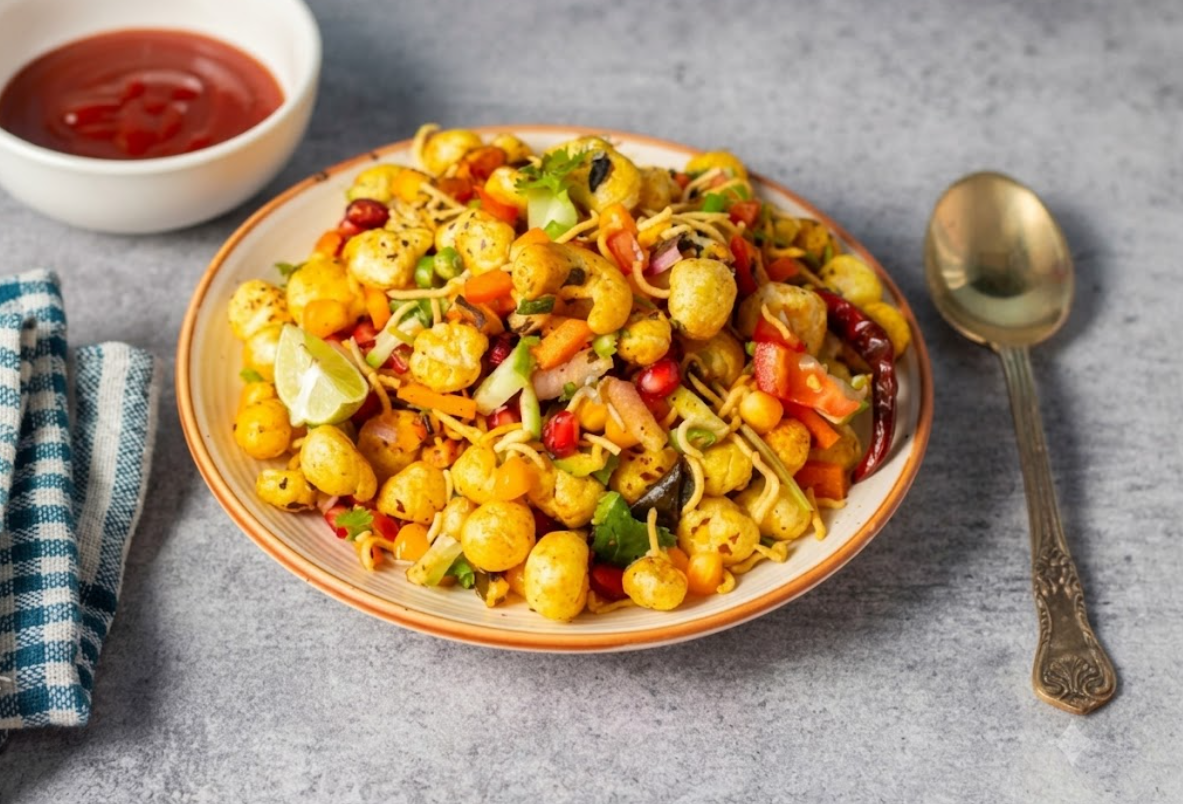
Light, versatile and easy to keep in the kitchen, makhana can be a useful snack as we grow older. Here is what it offers—and how to enjoy it
At tea time, it is easy to reach for biscuits or namkeen without giving it much thought. Makhana offers another option: a bowl of warm, gently spiced puffs with a satisfying crunch. It has been part of Indian kitchens for generations, even if its recent popularity makes it seem like a new discovery.
Makhana comes from the seeds of Euryale ferox, an aquatic plant grown in ponds and wetlands. The seeds are dried, heated and popped to produce the familiar white puffs. It is also known as fox nut or gorgon nut. Although sometimes sold as “lotus seed”, it comes from a different plant from the familiar lotus.
Its roots in India run particularly deep in Mithila, north Bihar, where growing and processing makhana support local livelihoods. “Mithila Makhana” has a geographical indication, or GI, registration recognising its regional identity.
Is makhana good for you?
Plain makhana is naturally low in fat and provides carbohydrate, some protein and minerals. Roasting it at home lets you control the salt and oil, making it a handy alternative to some packaged savoury snacks. Research has also identified plant compounds with antioxidant activity in makhana. That is interesting, but it does not mean a bowl of makhana can prevent or treat illness.
For older adults, the distinction matters: makhana is mainly a starchy snack, not a protein food. Enjoy it alongside a diet that includes adequate protein from foods such as dal, beans, curd, paneer, eggs, fish or meat, according to your needs and preferences.
When and how much?
There is no special hour when makhana becomes healthier. Have it when you would enjoy a snack—perhaps mid-morning or with afternoon tea. Start with a small bowl and see how it fits your appetite and meals. I have often roasted makhana with nuts ( cashews, peanuts, almonds etc). Pairing it with plain curd or a little roasted chana can make the snack more substantial.
If you have diabetes, remember that makhana contains carbohydrate, even when it is unsweetened. If you have kidney disease or have been given a specific eating plan, ask your dietitian how it fits your recommended portions. And if crisp foods are difficult to chew or swallow, try makhana softened in kheer or a curry instead.
Savoury recipe: Jeera and curry-leaf makhana
Serves 2. Dry-roast 2 cups of makhana over a low flame for 6–8 minutes, stirring until crisp. Add 1 teaspoon of ghee or oil, ½ teaspoon of cumin seeds and a few curry leaves. Toss for another minute. Turn off the heat and add a pinch of turmeric, black pepper and salt to taste. Finish with lemon just before serving.
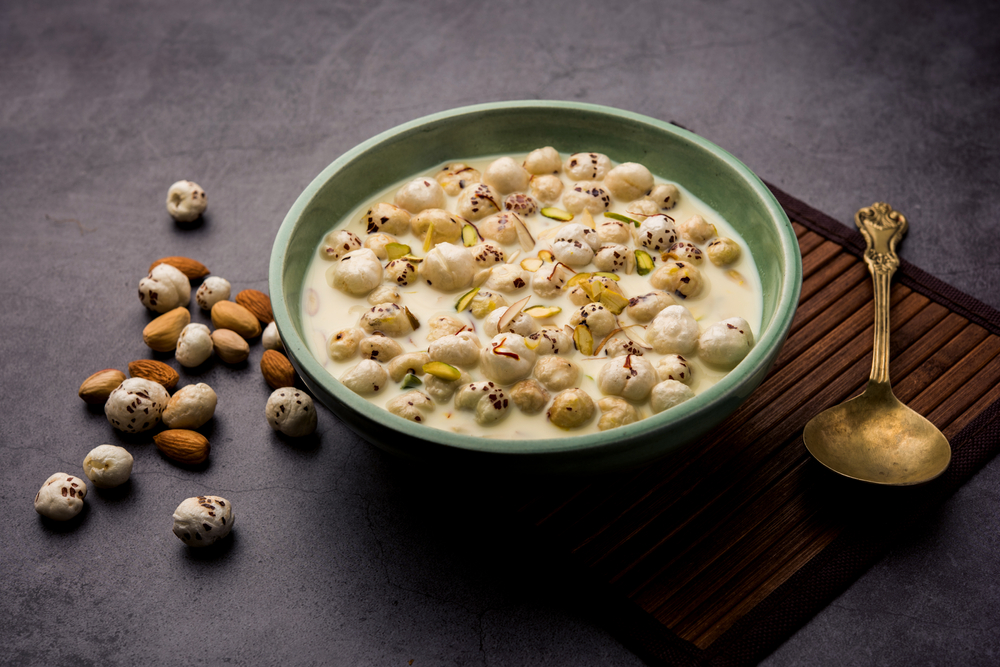
Sweet recipe: Cardamom makhana kheer
Serves 3–4. Lightly roast 1 cup of makhana in 1 teaspoon of ghee; crush half of it coarsely. Simmer the whole and crushed makhana in 3 cups of milk for about 15 minutes, stirring occasionally, until soft and slightly thickened. Add a pinch of cardamom and 1–2 teaspoons of sugar to taste. Top with a few chopped pistachios, if you like. For a less sweet version, let the cardamom and milk provide most of the flavour.
Makhana does not need a “superfood” label to earn its place in your kitchen. Its real strengths are simpler: it is adaptable, pleasant to eat and easy to prepare in a way that suits your taste and health needs.