






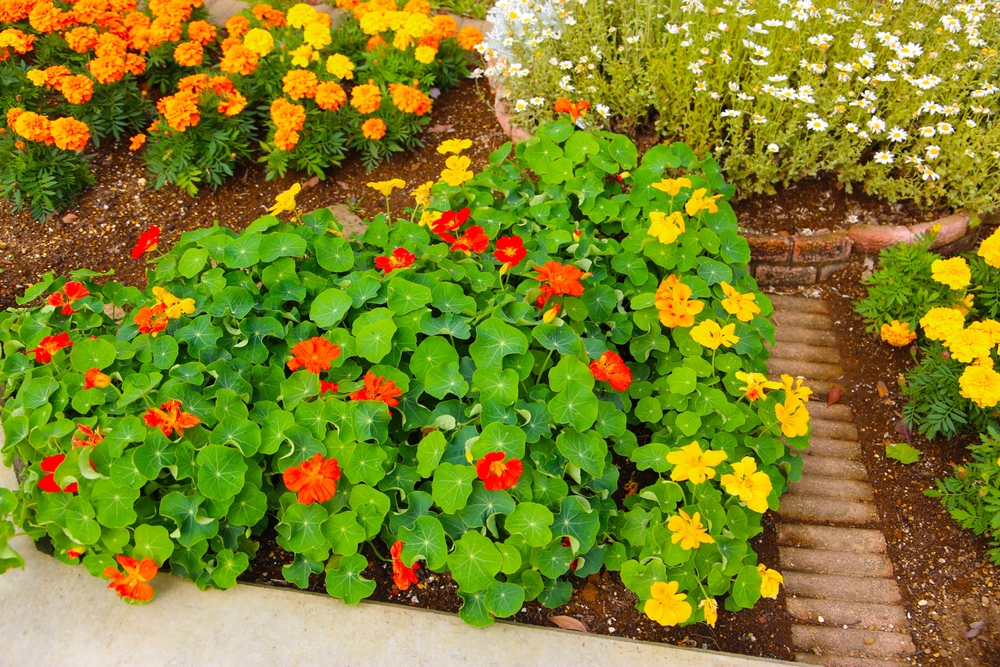
Summer can be a wonderful time to refresh your garden with some fragrant herbs and flowers
At first glance, summer in India—with its blazing sun and parched soil—may not seem like the ideal season to replant a garden. But the truth is more nuanced. Yes, summer can be a wonderful time to refresh your garden, provided you work with nature rather than against it.
In fact, many plants not only tolerate but thrive in temperatures of 35–45°C, as long as they receive adequate sunlight, drainage, and mindful watering.
So rather than abandoning your garden to the heat, summer offers an opportunity to reimagine it as a resilient, ecological haven—alive with colour, pollinators, and purpose.
Why Summer Replanting Can Work
Summer gardening is less about delicate blooms and more about smart plant choices and sustainable practices:
- Heat-loving plants flourish: Certain flowering varieties are naturally adapted to intense sunlight and dry spells.
- Long daylight hours boost growth
- Pollinators are active: Bees, butterflies, and birds are more visible, making it an ideal time to support biodiversity
- Lower pest issues for some species
The key is to choose climate-appropriate, preferably native or well-adapted plants.
6+ Local Flowering Plants Perfect for Indian Summers
Here are beautiful, hardy, and ecologically supportive flowering plants you can confidently add:
-
Hibiscus (Gudhal)
Large, vibrant blooms that attract bees and butterflies. Flowers almost year-round in warm climates.
-
Marigold (Genda)
Bright, cheerful, and incredibly resilient. Also acts as a natural pest repellent, making it ideal for eco-friendly gardening.
-
Portulaca (Moss Rose)
A summer superstar—thrives in poor soil, needs minimal water, and produces vivid blooms even in harsh heat.
-
Ixora
Clusters of tiny flowers that bloom almost all year in tropical regions. Excellent for attracting pollinators.
-
Zinnia
Easy to grow, colourful, and loved by butterflies—perfect for adding brightness with minimal effort.
-
Vinca (Sadabahar)
Extremely heat-tolerant and low maintenance, with delicate pink, white, or purple blooms.
-
Bougainvillea
A classic Indian summer plant—dramatic, drought-resistant, and stunning along walls or trellises.
-
Gardenia (Gandhraj)
Elegant, fragrant white flowers that add a touch of serenity to any garden.
How to Create an Ecologically Supportive Garden
A beautiful garden need not come at the cost of the environment. In fact, summer is a perfect time to shift towards eco-conscious gardening:
-
Plant for Pollinators
Choose nectar-rich flowers like hibiscus, zinnia, and ixora to support bees and butterflies.
-
Use Native or Climate-Smart Plants
They require less water, fewer chemicals, and are more resilient.
-
Mulch Generously
Dry leaves, coconut husk, or compost help:
- Retain moisture
- Keep roots cool
- Improve soil health
-
Water Wisely
Early morning or evening watering reduces evaporation and stress on plants.
-
Mix Beauty with Utility
Combine flowering plants with herbs or vegetables—this improves biodiversity and soil vitality.
Summer gardening is less about perfection and more about adaptation and rhythm. Your garden may look different—wilder, more sun-kissed—but it can also become:
- A refuge for pollinators
- A lesson in resilience
- A space that thrives despite extremes
As gardeners often discover, the most beautiful gardens are not those that fight nature—but those that flow with it.
Summer-Friendly Herbs for Indian Gardens
Adding herbs is a wonderful way to make your summer garden not just beautiful, but useful, fragrant, and ecologically rich. Many Indian herbs are surprisingly resilient and thrive in warm conditions, especially with a little shade and regular watering.
Here are 4 excellent herbs you can weave into your summer replanting plan:
🌱 Tulsi (Holy Basil)
Known botanically as Ocimum tenuiflorum, Tulsi is deeply rooted in Indian homes and traditions.
- Why it works in summer: Loves warmth and sunlight
- Ecological benefit: Attracts pollinators like bees
- Bonus: Known for its immunity-boosting properties
- Tip: Prefers well-drained soil and moderate watering
🌿 Mint (Pudina)
Part of the genus Mentha, mint grows vigorously—even in the heat.
- Why it works: Thrives with regular watering and partial shade
- Ecological benefit: Its scent can deter certain pests
- Bonus: Perfect for cooling summer drinks like chaas and nimbu pani
- Tip: Grow in pots—it spreads quickly!
🌿 Lemongrass
Scientifically known as Cymbopogon citratus, this tall, aromatic herb is ideal for tropical climates.
- Why it works: Heat-tolerant and low maintenance
- Ecological benefit: Naturally repels mosquitoes
- Bonus: Excellent for teas and light cooking
- Tip: Needs space to grow and good drainage
🌿 Coriander (Dhania)
Known as Coriandrum sativum, coriander can still grow in early summer with some care.
- Why it works: Fast-growing, though prefers slightly cooler conditions
- Ecological benefit: Flowers attract beneficial insects
- Bonus: Fresh leaves for daily cooking
- Tip: Provide partial shade and frequent watering to prevent bolting
A Thoughtful Combination
When paired with your flowering plants—like marigold, hibiscus, or zinnia—these herbs create a balanced garden ecosystem:
- Flowers attract pollinators
- Herbs deter pests and enrich the soil
- Together, they reduce the need for chemicals
A summer garden need not be high-maintenance or fragile. With the right mix of hardy flowers and purposeful herbs, it can become a space that nourishes both body and biodiversity.