






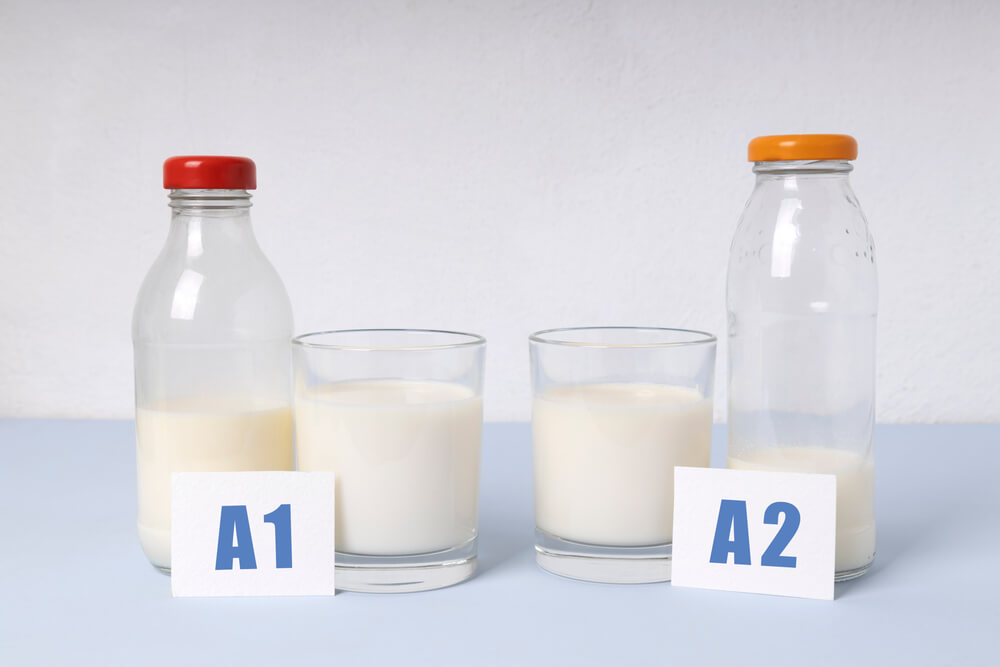
In recent years, A2 milk has gained significant popularity among health-conscious consumers and those with dairy sensitivities. Marketed as a healthier, easier-to-digest alternative to regular cow’s milk, it has stirred up much debate. But is A2 milk truly a better choice, or is it just another wellness trend riding a wave of marketing hype?
What Exactly is A2 Milk?
Cow’s milk contains proteins, primarily casein and whey. The most abundant casein is beta-casein, which comes in two common variants: A1 and A2. Most dairy milk today contains a mixture of both. A2 milk, on the other hand, comes from cows that naturally produce only the A2 variant of beta-casein, such as certain breeds like Jersey, Guernsey, and some Asian cows.
The Digestive Claim
One of the key selling points of A2 milk is that it may be easier on the digestive system. Some people experience bloating, cramps, and discomfort after drinking regular milk, often blaming lactose intolerance. However, emerging research suggests that it could actually be the A1 protein that’s causing these issues for some individuals. A2 milk, which lacks this protein, is said to reduce such digestive discomfort.
A study published in the European Journal of Clinical Nutrition found that adults who consumed A2 milk reported fewer gastrointestinal symptoms compared to those who drank conventional milk. While promising, these studies are relatively small and more large-scale, long-term research is needed.
Health Benefits – Fact or Fiction?
Beyond digestion, proponents of A2 milk claim a range of benefits – from reduced inflammation to better cognitive function. However, these claims are not yet strongly supported by scientific consensus. Nutritionally, A2 milk is nearly identical to regular milk in terms of calcium, protein, and vitamins, so the advantages mainly relate to tolerance rather than enhanced nutrition.
It’s also important to distinguish A2 milk from lactose-free milk. A2 milk still contains lactose and is not suitable for those with lactose intolerance or dairy allergies.
Cost Considerations
A2 milk often comes with a higher price tag than standard milk, which raises the question of value. For consumers who experience discomfort with regular milk but do not want to give up dairy altogether, the extra cost may be worth it. For the average person without any dairy sensitivity, however, the benefits may not justify the expense.
Finally let’s Consider if It’s Worth the Switch?
So, is A2 milk just hype, or is it genuinely good for our health? The answer depends largely on individual circumstances. For those with digestive issues potentially linked to A1 protein, A2 milk could be a helpful alternative. But for most people, the health benefits may not be significantly different from regular milk.
As with many dietary choices, it’s a matter of personal trial and observation. While A2 milk isn’t a miracle cure, it may well offer real relief for some – and in that sense, the hype might just be partially deserved.