






As we age, many of us begin to notice a subtle decline in energy — both physical and mental. That afternoon slump hits harder, recovery from exercise takes longer, and even thinking can feel a bit slower. While some of this is a natural part of growing older, science points to something deeper at play: the gradual decline in mitochondrial function.
But what exactly are mitochondria, and why should we care about them as we age?
Meet Your Mitochondria – Your Body’s Powerhouses
Mitochondria are tiny, bean-shaped structures found in nearly every cell in your body. Often called the “powerhouses” of the cell, their main job is to produce energy in the form of ATP (adenosine triphosphate), which fuels everything you do — from walking and thinking to healing and digesting.
But mitochondria do more than just produce energy. They also help regulate metabolism, control cell growth and death, and play a role in immune function. When mitochondria aren’t working well, it shows — in fatigue, muscle weakness, reduced brain function, and faster ageing.
How Age Affects Mitochondria
It’s perfectly natural for mitochondrial function to decline with age. This happens for several reasons:
- Accumulation of Damage: Over time, mitochondria are exposed to free radicals – unstable molecules that damage cells and DNA. Mitochondria themselves produce free radicals as a by-product of energy generation, making them especially vulnerable.
- Decreased Mitochondrial Biogenesis: Our ability to make new mitochondria slows down with age, reducing the number of energy-producing units in our cells.
- Mutations in Mitochondrial DNA: Unlike nuclear DNA, mitochondrial DNA lacks some of the protective mechanisms, making it more prone to errors that accumulate over time.
Everyday Factors That Harm Your Mitochondria
While ageing plays a role, lifestyle choices can accelerate mitochondrial decline. Here are some common culprits:
- Chronic Stress
Long-term emotional or physical stress increases the production of cortisol and other stress hormones. This can interfere with mitochondrial function and even trigger mitochondrial dysfunction in brain cells, affecting memory and mood.
- Poor Diet
A diet rich in processed foods, sugars, and unhealthy fats can lead to chronic inflammation and oxidative stress — both of which damage mitochondria. Lack of key nutrients like CoQ10, B vitamins, magnesium, and antioxidants also deprives mitochondria of the tools they need to do their job.
- Sedentary Lifestyle
When you’re not active, your mitochondria get lazy. Exercise, particularly aerobic activity, signals your body to create more mitochondria (a process called mitochondrial biogenesis). Without movement, the number and efficiency of mitochondria decline.
- Exposure to Environmental Toxins
Pollutants in the air, water, and food — like pesticides, heavy metals, and plastics — can directly impair mitochondrial health. Even some household chemicals and cosmetics have been linked to mitochondrial toxicity.
- Poor Sleep
Deep, restorative sleep is crucial for mitochondrial repair. Chronic sleep deprivation or disrupted circadian rhythms reduce your body’s ability to clear out damaged mitochondria and make new ones.
- Smoking and Excess Alcohol
Both are rich in toxins and free radicals that directly harm mitochondria. Over time, this damage adds up, affecting energy levels, cognition, and even heart and liver health.
- Overuse of Certain Medications
Some commonly used drugs — including certain antibiotics, statins, and painkillers — have been shown to impair mitochondrial function, especially with long-term use.
Can We Support Mitochondria as We Age?
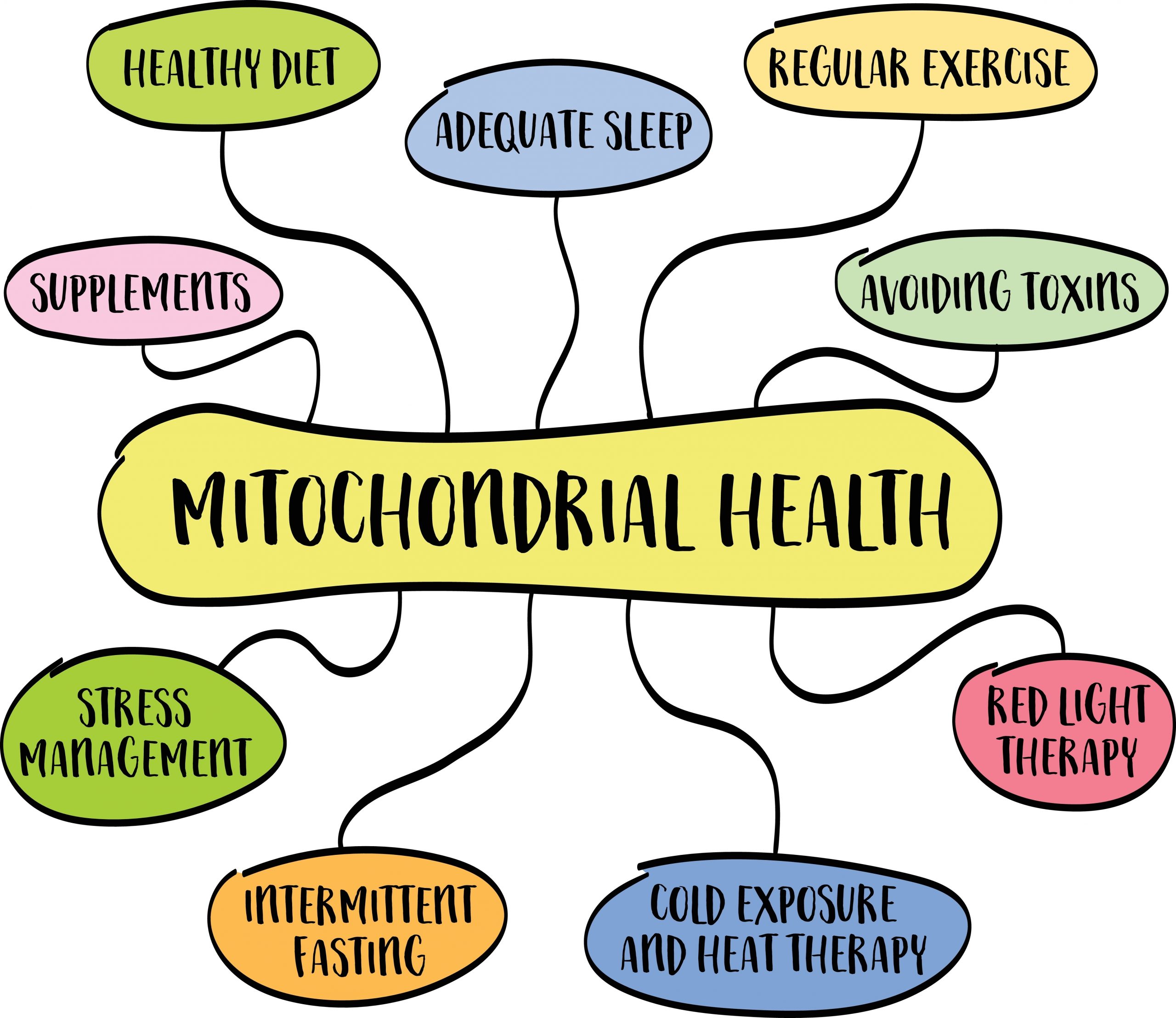
Absolutely. While we can’t stop the clock, we can make choices that nurture and protect our mitochondria:
- Eat a nutrient-dense, anti-inflammatory diet with colourful vegetables, healthy fats (like olive oil and nuts), clean proteins, and whole grains.
- Move regularly — walking, dancing, swimming, and resistance training all help build mitochondrial health.
- Prioritise sleep by keeping a regular bedtime routine and reducing screen time before bed.
- Manage stress through practices like mindfulness, breathwork, or simply spending time in nature.
- Avoid toxins where possible — opt for natural cleaning and beauty products, wash produce thoroughly, and reduce plastic use.
- Consider supplementation — under medical guidance, nutrients like CoQ10, magnesium, and omega-3s can help boost mitochondrial resilience.
How we age is, to a great extent, within our control. Supporting mitochondrial health is not just about having more energy — it’s about protecting the very engine room of your body, brain, and longevity. By understanding the factors that harm mitochondria and taking simple, consistent steps to support them, we can age not just gracefully, but vibrantly.