






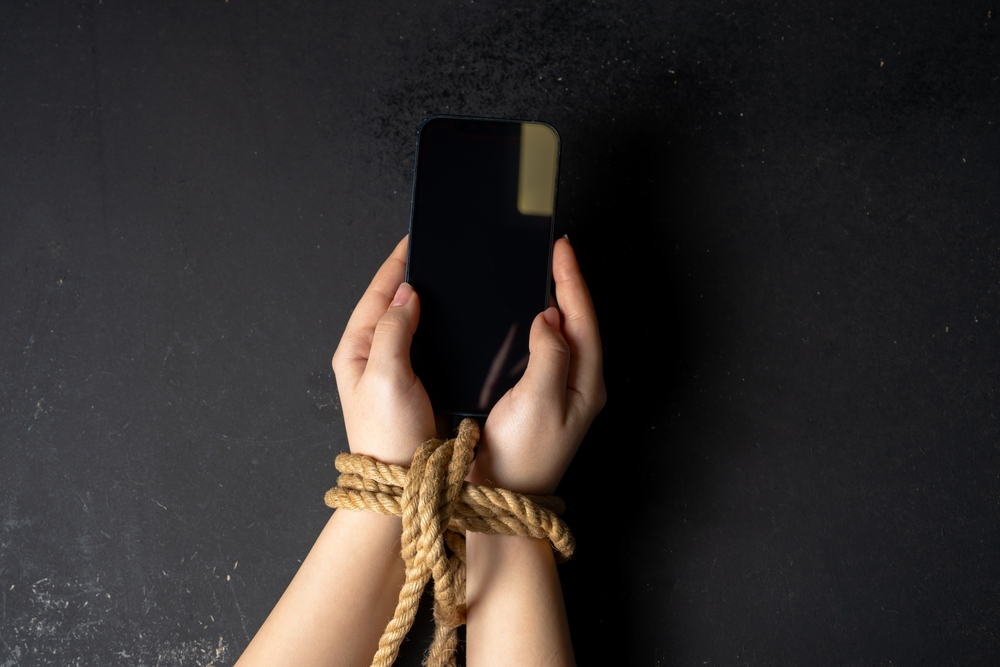
In today’s world, the smartphone has become a constant presence in our lives—sometimes faithful friend and often a subtle captor, writes Udai Mathur
For many of us, the smartphone has quietly become our closest daily companion. It is no longer just a device to make calls; it is a lifeline. For senior citizens, especially those who live alone or whose children are far away, the small glowing screen can offer companionship, reassurance and even joy. A cheerful message on WhatsApp, a grandchild’s photo, an old bhajan on YouTube, or the convenience of ordering medicines at home—such things can brighten the day immeasurably. In moments of solitude, the phone often fills the silence.
And yet, there is another side to this relationship. The very device that offers us comfort and connection also has the power to draw us in a little too deeply, sometimes leaving us restless, distracted, or more isolated than before. It is worth pausing to reflect on how this little companion shapes our lives, and how we might regain balance.
When a Friend Becomes a Master
Our brains, through thousands of years of evolution, are programmed to reward us for finding food, feeling safe, and bonding with others. That is why a grandchild’s voice note, or a friend’s emoji-filled reply, feels so heart-warming… It triggers the same reward chemicals in the brain that once helped our ancestors survive.
Technology companies understand this very well. The apps on our phones are designed to keep us engaged for as long as possible. Each ping, each ‘like’, each small notification works a bit like a slot machine in a casino—offering rewards at just the right moment to keep us hooked. What begins as a harmless glance at the screen can easily turn into half an hour of scrolling, often leaving us a little drained rather than uplifted.
The hidden cost is subtle but real. Sleep can be disturbed by blue light from the screen; attention spans may shorten; memory can feel less reliable; and strangely, though phones promise constant connection, they can also deepen loneliness by replacing face-to-face conversation with endless digital chatter. Like an over-attentive guest, the phone can sometimes demand more of us than it gives back.
Finding the Balance
None of this means that we should abandon our phones. Far from it. They are too useful and, for many of us, a genuine source of comfort. The goal is simply to use them on our terms, not theirs. A few small practices can make a world of difference: setting aside the phone at mealtimes or before bed; keeping a proper alarm clock on the bedside table so that the phone is not the last thing we see at night and the first thing we reach for in the morning; allowing ourselves moments of old-fashioned boredom instead of reaching for the screen at every pause; and, most importantly, seeking out human company whenever we can. A neighbourly chat, a phone call with a childhood friend, or a walk in the park with a companion can restore something no app ever can.
It also helps to make the phone itself less demanding—by removing unnecessary apps, silencing most notifications, and choosing to check messages at set times rather than every few minutes. These are small steps, but they put us back in charge.
In the end, the smartphone is not a villain, nor is it a saviour. It is a tool, powerful and persuasive, but it should remain our servant rather than our master. For senior citizens, who often look to the device as a source of joy and connection, the lesson is not to reject it but to use it wisely.
The next time your hand reaches for the phone, pause for a moment and ask: Am I reaching for comfort, or merely out of habit? If the answer is comfort, then the phone has earned its place. But if it is only a habit, perhaps the moment calls for something richer—silence, a memory, or even a cup of tea shared with a friend.
Life, after all, has colours that no screen can fully capture.