






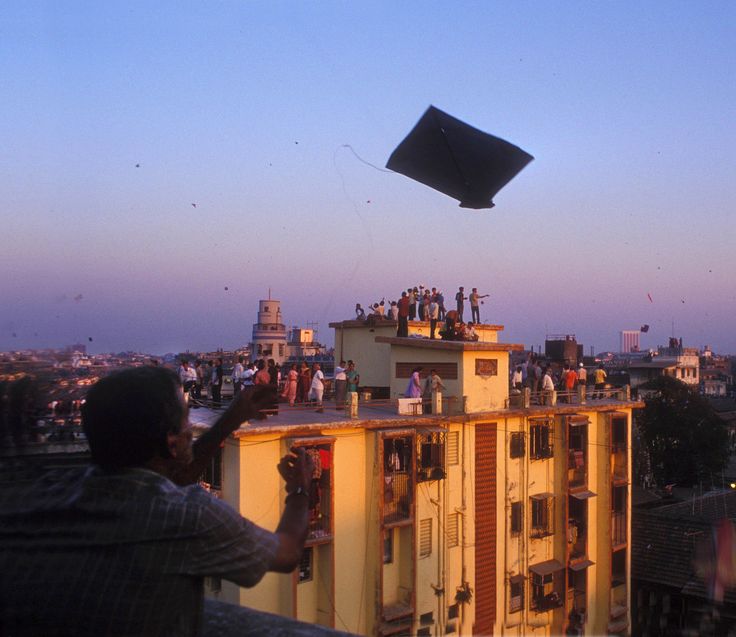
The beauty of Indian festivals lies in their power to weave seasonal transitions into cultural celebrations, and on 14th January, when the sun enters Capricorn (Makar Sankranti), Maharashtra embraces this shift with rituals of warmth, sweetness, and community. Here, Sankranti is not just a festival — it is a tradition that blends devotion, food, and fellowship, turning winter’s chill into a season of joy.
From the bustling lanes of Pune and Nagpur to the coastal homes of Konkan and the vibrant terraces of Mumbai, families rise early to greet the day with prayers, offerings, and festive gatherings. Women adorn themselves in black sarees — a colour rarely worn otherwise but considered auspicious on this day — while homes echo with the gentle exchange of “Tilgul ghya, god god bola” (accept this sweet, speak sweetly). This phrase, paired with sesame and jaggery delicacies, embodies the festival’s essence: fostering harmony and kindness in the year ahead. Mrs Anuja Urjit Tipnis from the Seniors Today brings us five of Maharashtra’s traditional recipes, elaborated below:
Rituals & Celebrations
- Haldi-Kumkum gatherings: Women invite friends and neighbours, applying turmeric and vermilion as a mark of respect and sisterhood.
- Bonfires & Bhogi: In rural Maharashtra, the eve of Sankranti is marked by Bhogi, where old belongings are discarded in symbolic renewal.
- Kite flying: Though less central than in Gujarat, colourful kites still dot the skies in cities like Nashik and Nagpur, adding cheer to the day.
Recipes From Our Seniors Today Members
Carrying forward the spirit of tradition, Mrs Anuja Urjit Tipnis, a Seniors Today member, brings her much-loved Sankranti specialities. From the melt-in-the-mouth tilgul laddoos and festive puran poli to the hearty bhogi chi bhaji, these recipes are more than food; they are memories of family kitchens, laughter-filled haldi-kumkum gatherings, and the timeless joy of sharing sweetness with loved ones.
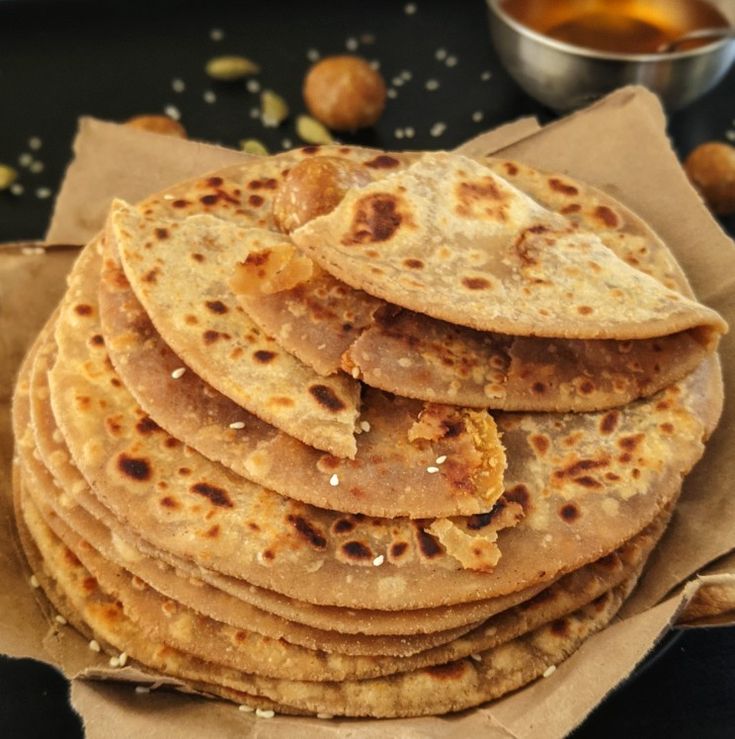
1. Gulachi Poli
Ingredients
- 2 cups wheat flour
- 1 & ½ cups jaggery (grated or powdered)
- ½ cup sesame seeds
- 2 tbsp besan (gram flour)
- 2 tsp pure ghee
- Extra ghee for roasting
Instructions
Prepare filling:
- Roast besan in 2 tsp ghee on a low flame until aromatic and golden.
- Dry roast sesame seeds on a low flame until they are golden brown, then grind them coarsely.
- Mix jaggery, roasted besan, and sesame seeds to form the filling.
Prepare dough:
- Knead the wheat flour with water into a firm dough (a harder consistency helps hold the filling).
- Rest the dough for 15–20 minutes.
Stuff and roll:
- Take a small portion of dough and roll it into a puri-sized circle.
- Place a spoonful of jaggery mixture in the centre, fold edges over to cover, and gently flatten.
- Roll carefully into a chapati without letting the filling spill out.
Cook:
- Roast on a hot pan with a little ghee, on a low flame, until golden brown and crisp on both sides.
Tips
- Gulachi Poli should be firm and crispy, not soft.
- Always cook on a low flame to avoid burning the jaggery filling.
- Traditionally served hot with a dollop of pure ghee for extra richness.
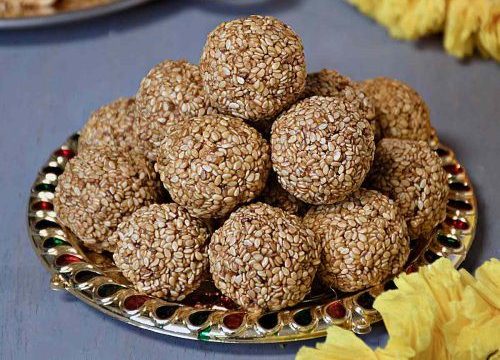
2. Til Laddu (Tilache Laadu)
Ingredients
- ½ kg chikki jaggery
- ½ kg sesame seeds
- 4–5 tsp each of:
- Almonds (sliced)
- Pistachios (sliced)
- Peanuts
- Dry coconut slices
- Chana dal
- 4–5 tsp cardamom (powdered or crushed)
Instructions
Roast base:
- Dry roast sesame seeds and all sliced dry fruits together on low flame until golden and aromatic.
Prepare jaggery syrup:
- Melt chikki jaggery slowly on a low flame.
- Test readiness: drop a little melted jaggery into cold water. If it hardens instantly, the syrup is ready for crispy ladoos. (Soft syrup will make soft ladoos, which are less flavorful.)
Combine:
- Quickly add roasted sesame seeds, dry fruits, and cardamom to the hot jaggery syrup.
- Stir thoroughly to coat everything evenly.
Shape ladoos:
- Wet your palms lightly with water.
- While the mixture is still warm, scoop small portions and roll into tiny balls.
- Allow them to cool completely; they will harden into crisp, crunchy ladoos.
Tips
- Work quickly while shaping, as the mixture hardens fast.
- Keep a bowl of water nearby to moisten palms and prevent sticking.
- Store in an airtight container to retain crispness for weeks.
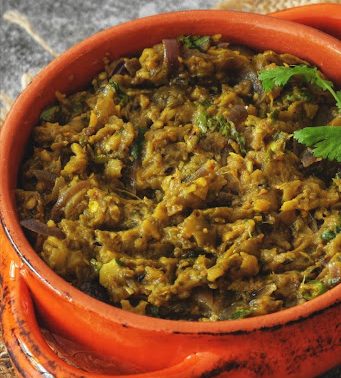
3. Brinjal Bharta (Vangyache Bharit)
Ingredients
- 4 medium-sized brinjals (eggplants)
- 1 large onion, finely chopped
- 4 tbsp roasted peanut powder
- ¼ cup chopped coriander leaves
- 5–6 green chillies, sliced
- 2 tsp cumin seeds
- 4 tsp ghee
- Pinch of asafoetida (hing)
- Salt to taste
Instructions
Cook brinjals:
- Steam brinjals in a pressure cooker until fully cooked and soft.
- Peel off the skin if desired, then mash thoroughly.
Prepare mix:
- Add chopped onion, sliced green chillies, coriander leaves, and roasted peanut powder to the mashed brinjal.
- Mix well to combine.
Temper:
- Heat the ghee in a small pan.
- Add cumin seeds and a pinch of asafoetida.
- Pour this hot tempering over the brinjal mixture.
- Cover with a lid for 5 minutes to let flavours infuse.
Finish:
- Stir gently before serving.
- Garnish with fresh coriander leaves.
Tips
- For a smoky flavour, roast brinjals directly on the flame before mashing instead of steaming.
- Serve warm with chapati, bhakri, or rice for a rustic Maharashtrian touch.
- Adjust green chillies to taste for spice levels.
4. Moong Dal Khichadi
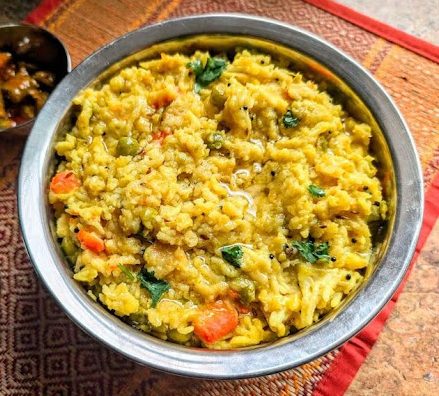
Ingredients
- 2 cups rice
- 1 cup yellow moong dal (split)
- 2 tbsp ghee
- 2 tsp cumin seeds
- Pinch of turmeric
- Pinch of asafoetida (hing)
- Salt to taste
- 6 cups water
- 1 tsp mustard seeds (for tempering)
Instructions
Cook base:
- Heat a little oil in a pressure cooker.
- Add mustard seeds and a pinch of asafoetida.
- Add washed rice and moong dal together, stir gently.
- Pour in 6 cups of water, add salt, and a pinch of turmeric.
- Close the lid and cook until one whistle. Then reduce the flame and simmer for 10 minutes.
- Allow pressure to release naturally, then open the lid.
Prepare tempering:
- Heat pure ghee in a small pan.
- Add cumin seeds and a pinch of asafoetida.
- Pour this tempering over the khichadi, cover with a lid for a few minutes to let flavours infuse.
Serve:
- Mix gently and serve hot, drizzled with extra pure ghee for richness.
Tips
- Adjust water for desired consistency: less for firmer khichadi, more for softer texture.
- Pair with papad, pickle, or curd for a complete comfort meal.
- For added flavour, you can roast the moong dal lightly before cooking
5. Bajra Roti (Pearl Millet Flatbread)
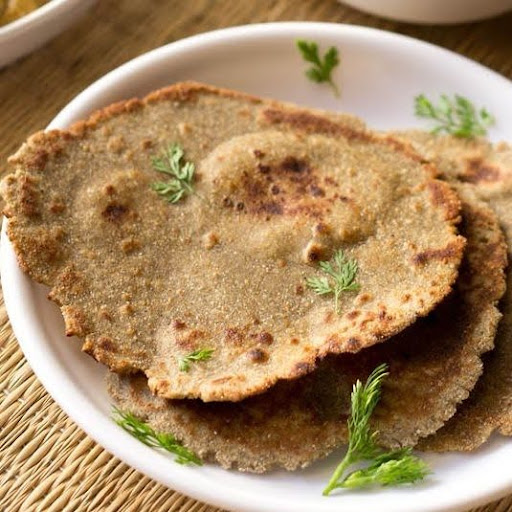
Ingredients
- 1 cup bajra flour (pearl millet)
- Warm water (as needed)
- Pinch of salt (optional)
- Ghee or butter (optional, for serving)
Instructions
Prepare dough:
- In a mixing bowl, add bajra flour and a pinch of salt if using.
- Gradually add warm water, kneading until a soft dough forms. (Note: bajra dough won’t be stretchy like wheat dough, but should hold together well.)
Shape rotis:
- Divide the dough into small balls.
- Dust the surface with dry bajra flour.
- Gently flatten each ball into a round roti using your palms or a rolling pin.
Cook:
- Heat a tawa (griddle) on medium flame.
- Place the roti on the hot surface and cook until brown spots appear.
- Flip and cook the other side until evenly done.
- Apply ghee or butter on top for enhanced flavour, if desired.
Tips
- Handle the dough gently, as bajra flour is more delicate than wheat.
- Serve hot with dal, sabzi, or curd for a wholesome meal.
- Adding a little wheat flour while kneading can make rolling easier, though traditional bajra roti is made without it.
Sankranti in Maharashtra is more than a festival; it is a gentle sunrise of tradition, where tilgul laddoos carry sweetness into conversations, haldi‑kumkum gatherings weave bonds of sisterhood, and Bhogi bonfires kindle renewal in every home. With black sarees shimmering under winter’s sun and kitchens alive with puran poli and bhogi chi bhaji, the celebration becomes a living reminder to welcome each season with kindness, colour, and community; a legacy kept vibrant through the cherished recipes and memories shared by our Seniors Today members.
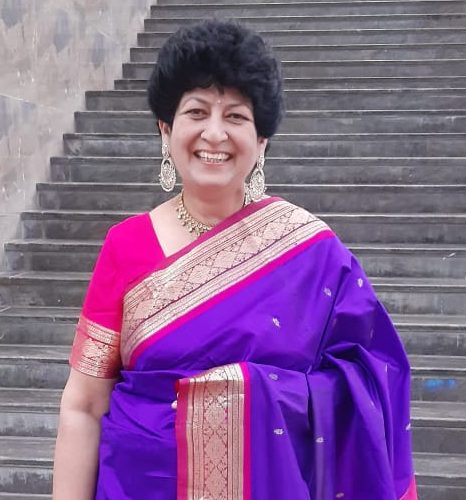
Mrs Anuja Urjit Tipnis