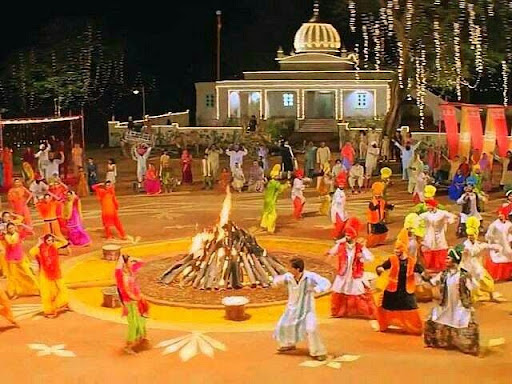







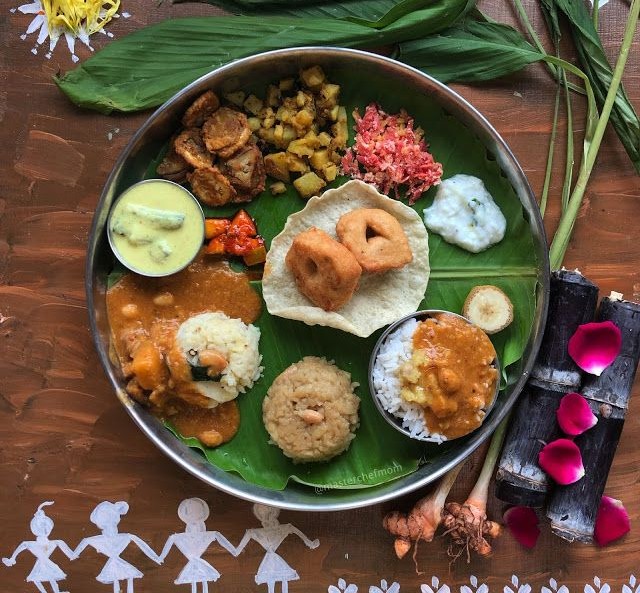
The joy of living in India is profound, and it shines brightest during our festivals. But what makes them truly special is when multiple celebrations fall on the same day — like a perfect thali, offering many flavours in one plate. 14th January is one such day, when the sun’s transition into Capricorn (Makar Sankranti) inspires harvest festivals across the nation. 14th Jan turns the country into a tapestry of colours and cultures.
After exploring Lohri from Punjab, we journey south to Tamil Nadu to celebrate Pongal. Discover how it is observed, along with five traditional Pongal recipes lovingly shared by our Seniors Today member, Mrs Lalita Laxminarayan, given below.
The heart of Pongal is Surya Pongal on 14th January. Families wake early, adorn homes with colourful kolams, and prepare the iconic Sakkarai Pongal in new clay pots. As it overflows, joyful cries of “Pongalo Pongal!” fill the air, symbolising prosperity.
Offerings to the Sun God, temple visits, folk music, and shared festive meals mark the day. At its core, Pongal is a celebration of gratitude, renewal, and togetherness — honouring nature, community, and the bonds that sustain life.
1. Ven Pongal
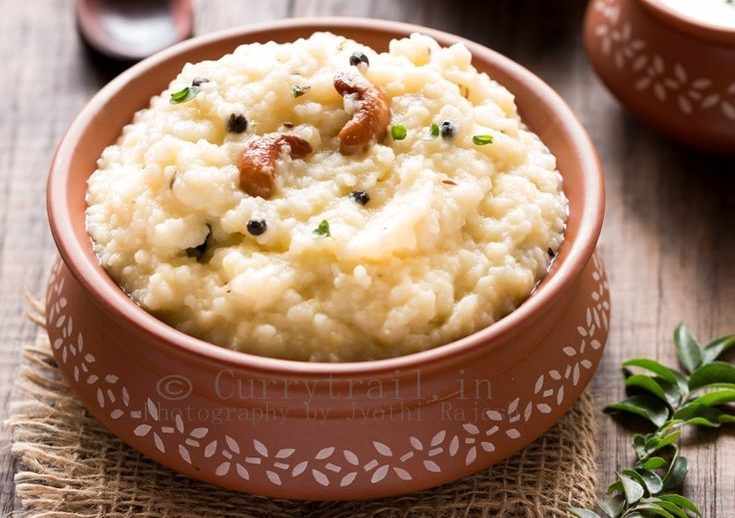
Ingredients
- Rice – 1 cup
- Moong dal (roasted slightly) – 1/3 cup
- Ghee – 4 tbsp
- Cashew nuts – 8 to 10
- Black pepper – 2 tsp
- Jeera (cumin seeds) – 2 tsp
- Curry leaves – 1 sprig
- Ginger – 2-inch piece, grated
- Dry red chillies – 2
- Hing (asafoetida) – 1/4 tsp
- Turmeric – a pinch
- Salt – to taste
- Water – 5 cups
- Hot milk – as needed (optional, for consistency)
Method
Cook the base:
- Wash rice and moong dal.
- Pressure cook together with grated ginger, turmeric, salt, and 5 cups of water for 4–5 whistles until soft and mushy.
Prepare the tempering:
- Heat the ghee in a pan.
- Fry cashew nuts until golden; remove and set aside.
- In the same ghee, add pepper, jeera, curry leaves, hing, and dry red chillies. Sauté until aromatic.
Combine:
- Add the tempering and roasted cashews to the cooked rice-dal mixture.
- Mix well. If the pongal is too thick, stir in a little hot milk to achieve a flowing consistency.
Serve:
- Enjoy hot with sambar or coconut chutney.
2. Dal Wada
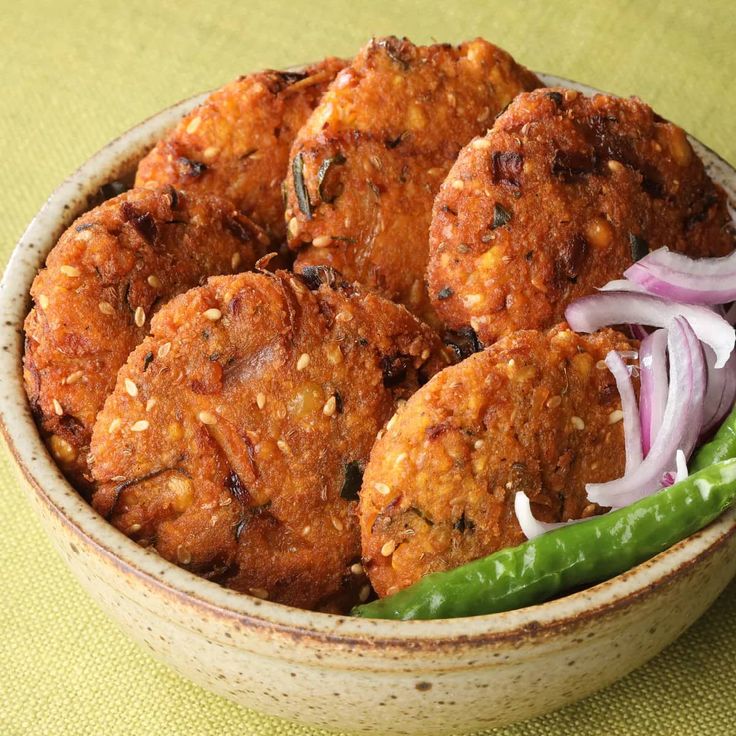
Ingredients
- Chana dal – 1 cup
- Tur dal – 1/2 cup
- Ginger – small pieces
- Dry red chillies – 2 to 4 (adjust to taste)
- Salt – to taste
- Hing (asafoetida) – 1/2 tsp
- Fresh coriander leaves – handful, chopped
- Oil – for deep frying
Method
Soak the dals:
- Wash chana dal and tur dal thoroughly.
- Soak them together in water for 4–5 hours.
- Drain completely using a colander.
Prepare the mixture:
- Keep aside 2 tbsp of the soaked dal.
- Grind the remaining dal coarsely with ginger, dry red chillies, salt, and hing.
- Use very little water while grinding to maintain a thick consistency.
Add freshness:
- Mix in the reserved dal and chopped coriander leaves.
- Combine well to form a coarse, thick batter.
Shape and fry:
- Take small portions of the mixture, shape them into discs.
- Fry in hot oil on medium flame until golden brown and crisp.
Serve:
- Enjoy hot Dal Vadas with coconut chutney or green chutney.
3. Puran Poli

Ingredients
- Chana dal – 1 cup
- Grated coconut – 3/4 cup
- Jaggery (gud) – 3/4 cup
- Ghee – for cooking
- Wheat flour (atta) – 1/2 cup
- Maida (all-purpose flour) – 1/2 cup
- Salt – a pinch
- Turmeric – a pinch
Method
Prepare the filling (puran):
- Pressure cook the chana dal until soft.
- Grind the cooked dal with jaggery and grated coconut into a fine paste.
- Cook this mixture on a low flame until it thickens and reaches a dough-like consistency.
Prepare the dough:
- Mix atta and maida in equal quantities.
- Add a pinch of salt and turmeric.
- Knead into a soft dough using water.
- The dough consistency should match the puran filling.
Shape the polis:
- Divide the dough and puran into equal portions.
- Roll out a small disc of dough, place puran in the centre, and seal.
- Gently roll into a flatbread (like paratha).
Cook:
- Heat a tawa (griddle).
- Cook the poli on medium flame, applying ghee or oil, until golden brown on both sides.
Serve:
- Serve hot with a drizzle of ghee for an authentic taste.
4. Rava Kesari
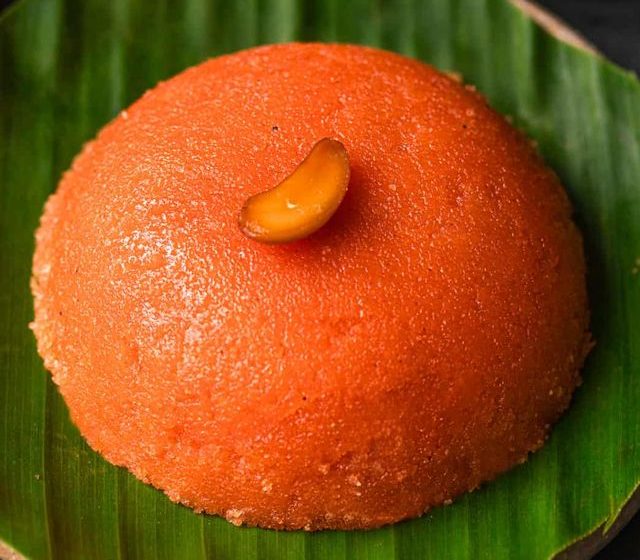
Ingredients
- Rava (semolina) – 1 cup
- Sugar – 3/4 cup (adjust for sweetness)
- Ghee – 1/4 cup (or less, as preferred)
- Cardamom powder – 1/2 tsp
- Cashew nuts – handful
- Raisins – handful
- Water – 4 cups
- Orange food colour – a pinch (optional)
Method
Roast the rava:
- Heat half the ghee in a pan.
- Roast the rava until it turns light pink and aromatic.
Cook the rava:
- Boil 4 cups of water separately.
- Add the hot water and a pinch of orange food colour to the roasted rava.
- Stir continuously to prevent lumps and cook until the mixture is soft.
Sweeten the mixture:
- Add sugar to the cooked rava mixture.
- Stir in 2 tablespoons of ghee and continue cooking until the mixture thickens and starts to leave the sides of the pan.
- Add cardamom powder for fragrance.
Prepare garnish:
- Roast cashew nuts and raisins in ghee until golden.
- Add them to the kesari and mix well.
Serve:
- Enjoy warm, fragrant Rava Kesari as a dessert or festive sweet.
5. Sharkara Pongal
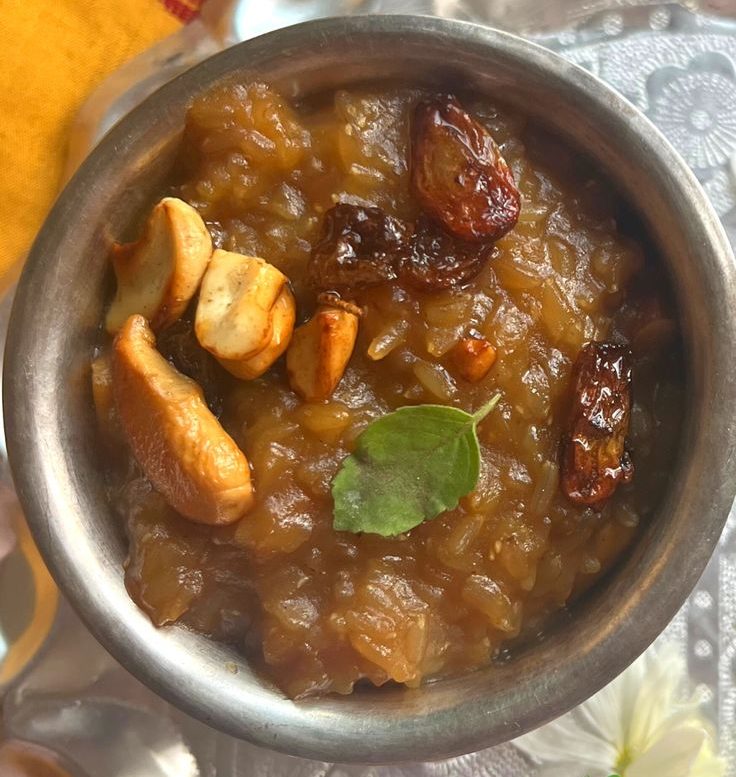
Ingredients
- Rice – 1 cup
- Moong dal (slightly roasted) – 1/3 cup
- Jaggery (gud), small pieces – 3/4 cup
- Ghee – 2 tbsp
- Cashew nuts – 10 to 12
- Raisins (kishmish) – 2 tbsp
- Fresh coconut, cut into small pieces – 1 tbsp
- Cardamom powder – 1/2 tsp
- Water – 4 1/2 cups
Method
Cook the base:
- Wash rice and moong dal.
- Pressure cook together with 4 1/2 cups water for 4–5 whistles until soft.
Prepare jaggery syrup:
- Add a little water to the jaggery pieces.
- Heat until the jaggery dissolves completely, forming a syrup.
Combine:
- Once the cooker cools, remove the dal-rice mixture.
- Add it gradually to the jaggery syrup, stirring continuously to avoid lumps.
- Cook until the mixture reaches a semi-solid consistency.
Flavour and garnish:
- Add cardamom powder.
- Roast cashews, raisins, and coconut pieces in ghee until golden.
- Mix them into the pongal.
Serve:
- Enjoy warm Sharkara Pongal, rich with ghee and jaggery.
Pongal is more than a harvest festival — it is a heartfelt expression of gratitude to the Sun, the soil, and the abundance they provide. As families gather to cook, decorate with kolams, and share traditional dishes, Pongal becomes a celebration of prosperity, renewal, and togetherness. In every overflowing pot of sweet Sakkarai Pongal and every savoury bite of Ven Pongal, we taste the spirit of community and the joy of honouring nature’s gifts. It is a reminder that true wealth lies not just in the harvest, but in the bonds we nurture and the traditions we cherish.

Mrs Lalita Laxminarayan