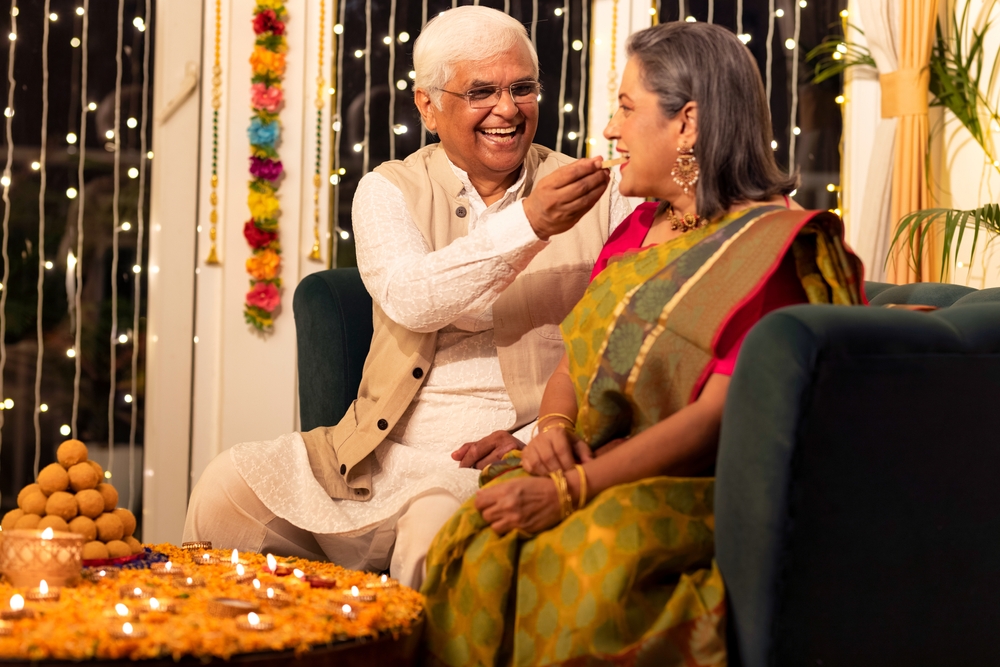






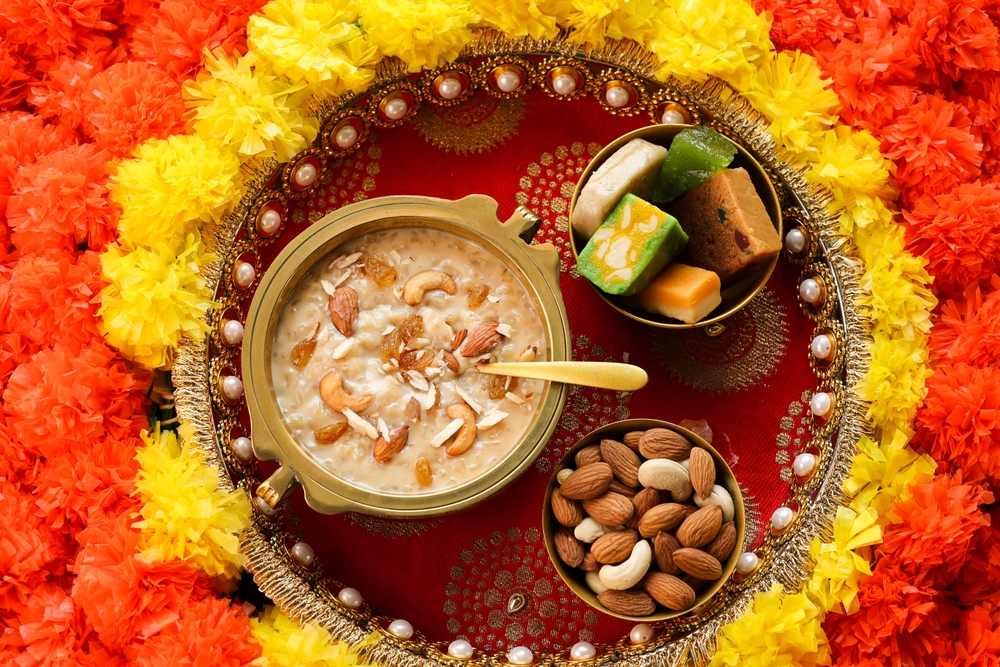
You don’t have to give up that festive feast. You just have to learn how to enjoy it without making your body pay the price, writes Dr Rajanshu Tiwari.
There is something wonderfully democratic about the Indian festive season. For a few weeks, calories become a secondary consideration. The laddoos arrive before the guests. The namkeen is permanently on the table. Someone’s aunt has made a special kheer. Someone else’s son has brought sweets from Dubai. And refusing food is treated almost as a personal insult.
For many of us, food is not merely food during festivals. It is memory, family, hospitality and celebration.
So the answer cannot be: Don’t eat this. Don’t eat that. No sweets. No fried food. No second helping. That is neither realistic nor much fun.
The better approach, particularly as we grow older, is balance. It is all right to indulge occasionally, provided we understand what we are eating, control portions and compensate sensibly elsewhere in the day.
That is particularly important for older adults. As we age, our nutritional requirements and activity levels change. We cannot necessarily eat at 70 in the same way we ate at 30 and expect the body to quietly sort everything out.
Here, then, are 26 practical tips for eating your way through the 2026 festive season without declaring war on food. And without compromising much on the festivities.
- Don’t turn the festive season into a punishment
The first rule is simple: enjoy yourself. One festive meal is not going to destroy a healthy lifestyle. The problem is when one meal becomes three weeks of continuous indulgence. Healthy eating is about the overall pattern, not one Diwali lunch or Christmas dinner.
- Portion size matters more than prohibition
You don’t necessarily have to say no to your favourite mithai. Have a smaller piece. Take one serving instead of three. A little of something you genuinely enjoy is often more satisfying than eating around it and eventually giving in anyway.
- Don’t arrive at a party starving
Skipping lunch because you know there will be a lavish dinner sounds logical. It usually isn’t. Extreme hunger makes it much harder to make sensible choices. Have a light, balanced meal or snack beforehand, particularly if dinner is going to be late.
- Eat slowly
Give your body time to register that it has eaten. Put the fork or spoon down occasionally. Talk to people. Festivals are social occasions, after all. If you eat while concentrating solely on the buffet, you may discover rather late that you have eaten enough for four people.
- Make the plate work for you
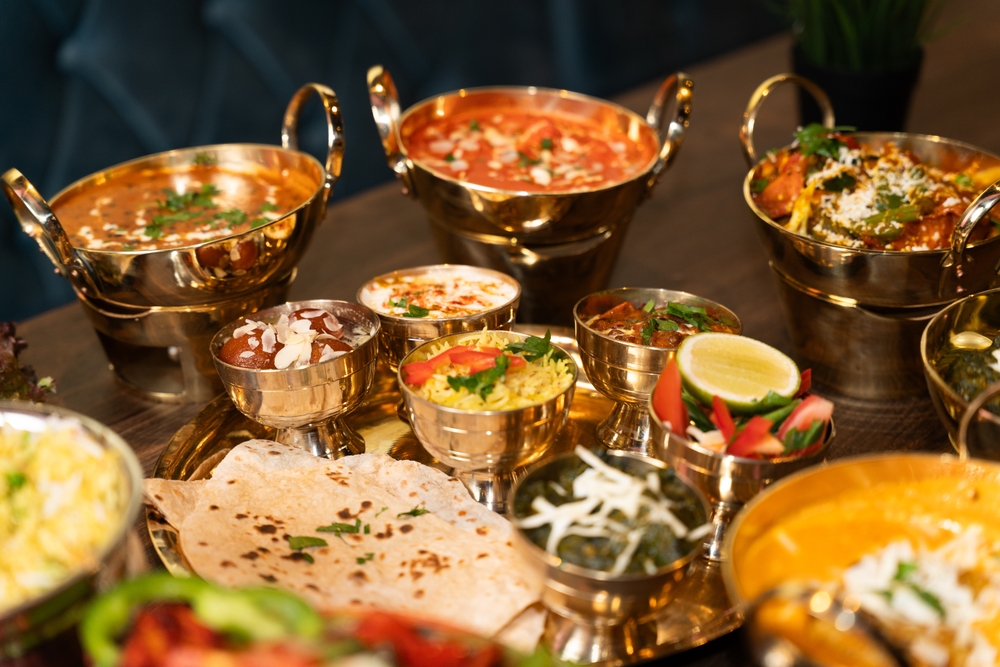
A useful approach is to think of your plate in broad proportions: vegetables or salad, protein, carbohydrates and a modest amount of fats or calorie-dense foods. The exact proportions can vary according to your health needs, but the principle is sound: don’t allow rice, puris, sweets or fried snacks to occupy the entire plate.
What’s needed is a balanced plate with fibre-rich foods, protein and controlled portions of carbohydrates and fats. (Seniors Today)
- Put protein on the plate
Protein becomes increasingly important as we age because maintaining muscle mass matters. Include dal, beans, sprouts, curd, paneer in sensible portions, eggs, fish or lean meat according to your dietary preference. Don’t let the festive meal become entirely carbohydrate and sugar.
- Don’t forget vegetables
Festive meals can be remarkably short on vegetables. There may be 10 different sweets and fried snacks but not a tomato in sight. Add vegetables, salads or cooked greens to your meals. They provide fibre and nutrients and can also help you feel fuller.
The World Health Organisation (WHO) recommends a diverse diet built around vegetables, fruit, pulses, whole grains and appropriate protein sources.
- Respect the mithai, but don’t worship it
Indian sweets are part of our festivals. That doesn’t mean they need to become a food group of their own. Pick the sweet you really like. Have a small portion. Eat it slowly. And perhaps skip the fourth variety merely because it is sitting there looking lonely.
- Beware of the ‘healthy’ sweet
Jaggery is still a source of sugar. Honey is still a source of sugar. Dates may be nutritious, but they are not calorie-free. Replacing white sugar with another sweetener does not magically turn a large dessert into a health food.
WHO recommends keeping free sugar intake below 10% of total energy intake, with further reduction potentially providing additional benefit.
- Fried does not become healthy because it is homemade
Your grandmother’s samosa may be infinitely better than the packaged version, but it is still a fried samosa. Enjoy it if you wish, but remember that homemade describes where it was made, not its nutritional profile.
Where possible, choose steamed, grilled, baked or lightly sautéed alternatives.
- Watch the oil and ghee
A little oil or ghee can be part of a balanced diet. The problem is accumulation: fried starters, rich gravies, puris, sweets made with ghee and then a rich dessert. If one meal is particularly rich, make the next meal lighter.
WHO recommends limiting saturated and trans fats and favouring unsaturated fats.
- Keep an eye on salt
Namkeen, farsan, pickles, papad, savoury snacks and restaurant food can push salt intake upwards very quickly. This matters particularly for people concerned about blood pressure and cardiovascular health.
WHO recommends limiting salt intake to less than 5 grams a day for adults.
- Don’t drink your calories
Sweetened juices, fizzy drinks, sherbets, flavoured beverages and festive mocktails can quietly add a great deal of sugar. Water remains the simplest choice. Unsweetened drinks can also be useful alternatives.
And remember that fruit is generally preferable to fruit juice because whole fruit provides fibre.
- Stay hydrated
Older adults can be less aware of thirst, and busy festive days can make drinking water an afterthought. Keep water within reach. If you are travelling, carry a bottle. If you are attending a long celebration, don’t rely entirely on tea and coffee.
- Alcohol needs its own conversation
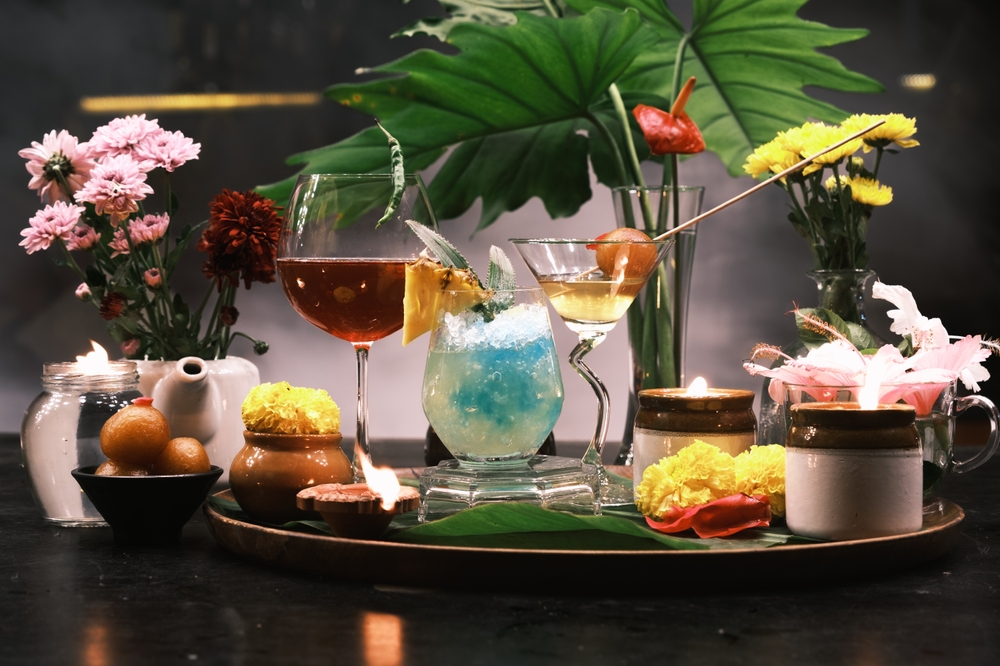
If you drink, remember that alcohol adds calories and can interact with medicines and certain medical conditions. It can also make sensible eating decisions considerably less sensible. If your doctor has advised you to avoid alcohol, the festive season is not an exemption.
- Don’t abandon your medicines
This sounds obvious, but festive schedules can be chaotic. Late dinners, travel, visitors and celebrations can disrupt routines. Continue prescribed medicines as directed. Do not alter medication because you have eaten more or less than usual unless your doctor has specifically advised you how to do so.
- Diabetes requires particular care
If you have diabetes, festivals require planning rather than panic. Large quantities of sweets, sweetened drinks and refined carbohydrates can make blood glucose management more difficult.
Don’t assume that taking your usual medication gives you permission to eat unlimited sweets. If you have questions about adjusting medication or managing festive meals, speak to your doctor.
- Heart patients should be especially careful with rich food
If you have a cardiac condition, be cautious about meals high in saturated fat, salt and calories. There is need for people with cardiac conditions to reduce oil consumption.
The festive season is not the time to test how much your heart can tolerate.
- Don’t try to ‘compensate’ by starving yourself
There is a difference between balancing your intake and punishing yourself. If dinner was heavy, a lighter breakfast the next morning may make sense. Skipping food for an entire day does not.
A sensible response to indulgence is to return to your normal healthy routine.
- Keep moving
Festivals are not merely eating events. Walk after meals when appropriate. Take the stairs if you can safely do so. Dance at the family gathering. Go for your morning walk. Continue your usual exercise routine.
Physical activity is one of the best ways of ensuring that the festive season does not become several weeks of sitting, eating and watching television.
- Don’t sit next to the snack bowl
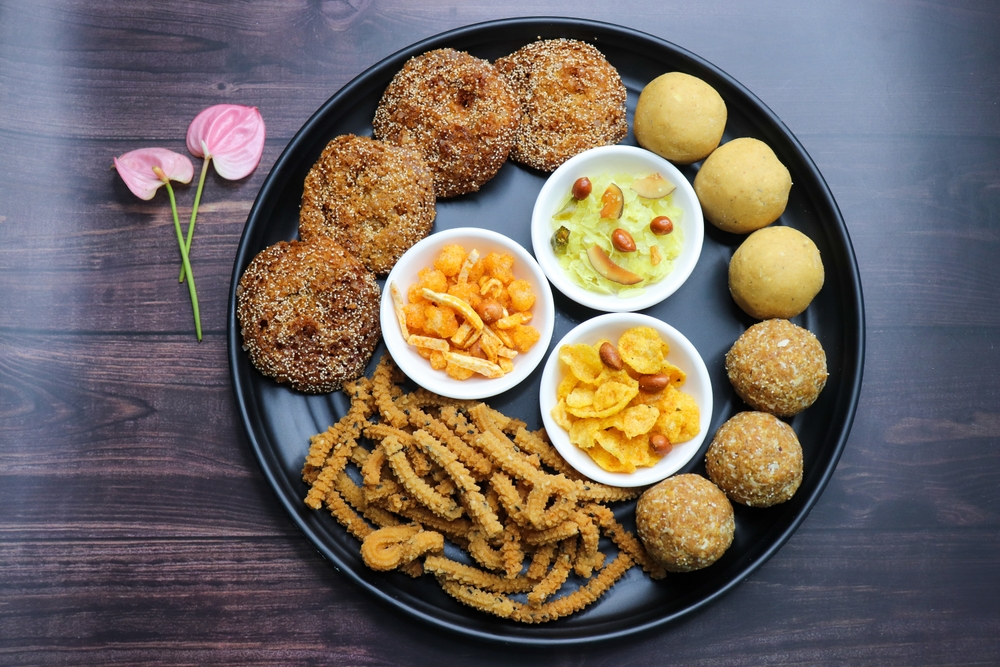
This is a surprisingly effective strategy. If the namkeen, chakli or dry-fruit mixture is constantly within arm’s reach, you will probably eat it without noticing.
Put snacks into a small bowl rather than eating directly from the large container.
- Choose your indulgences
You don’t have to eat everything at every celebration.
Perhaps today you want the puran poli. Tomorrow you may choose the biryani. At another gathering, you might have the cake. Making deliberate choices means you can enjoy special foods without turning every meal into a feast.
- Be careful with leftovers
The festive season can create a second problem after the celebration: a refrigerator full of sweets and rich food.
Share them. Freeze appropriate foods. Store them safely. Don’t feel obliged to finish everything simply because someone gave it to you.
And be particularly cautious with foods that have been left at room temperature for long periods. A healthy diet must also be a safe diet.
- Don’t forget fibre
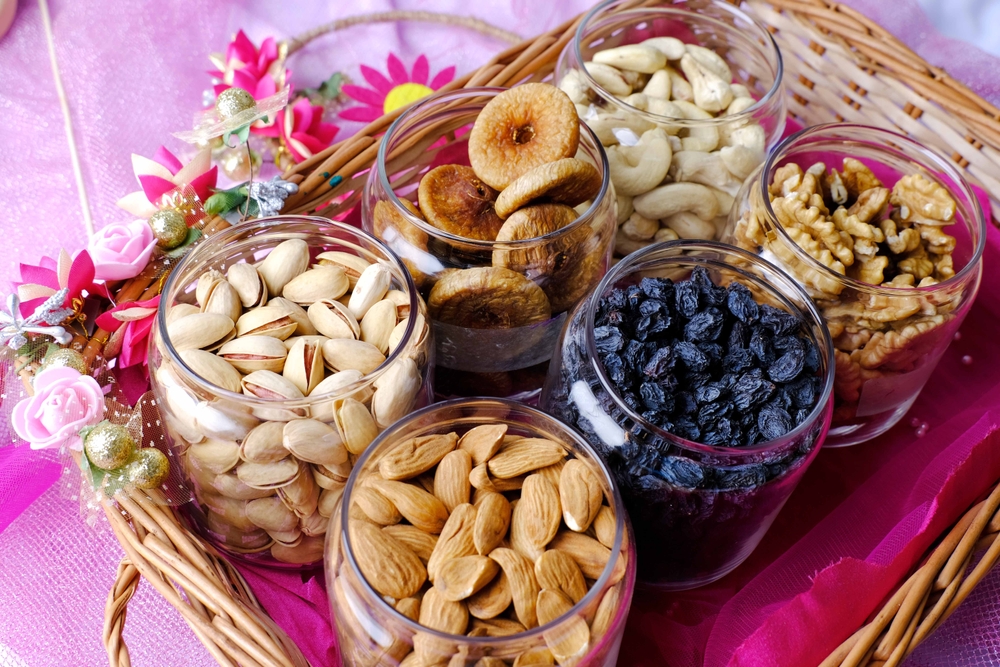
Festive diets can be conspicuously low in fibre and high in refined carbohydrates and fats. Include vegetables, fruits, pulses, whole grains, nuts and seeds as appropriate.
Fibre can also help with bowel regularity, which may become an issue when normal routines are disrupted by travel and celebrations.
- Listen to your body, not the host
“Just one more.”
“Have another.”
“You hardly ate anything.”
Most Indian hosts mean this lovingly. But your host doesn’t know how you are feeling, what medication you take or what your doctor has told you.
You are allowed to say no.
And if you are already full, thank you is a perfectly respectable answer.
- Remember what the festival is actually for
Perhaps this is the most important tip of all.
Festivals are about family, friends, faith, music, laughter, memories, travel and togetherness. Food is an important part of that experience, but it is not the entire experience.
The best festive season is not the one in which you demonstrate how much you can eat. It is the one after which you feel good.
Current healthy-diet guidance emphasises four broad principles: adequacy, balance, moderation and diversity. Those principles are particularly useful during the festive season.
So have the laddoo. Have the samosa if you really want one. Enjoy the family lunch. Raise a toast if it is appropriate for you. But also have the salad, drink the water, take the walk and remember tomorrow’s breakfast.
Growing older does not mean giving up life’s pleasures. It means becoming a little wiser about how we enjoy them.
After all, the objective is not to survive the festive season.
It is to enjoy it – and still feel good when the decorations come down.