







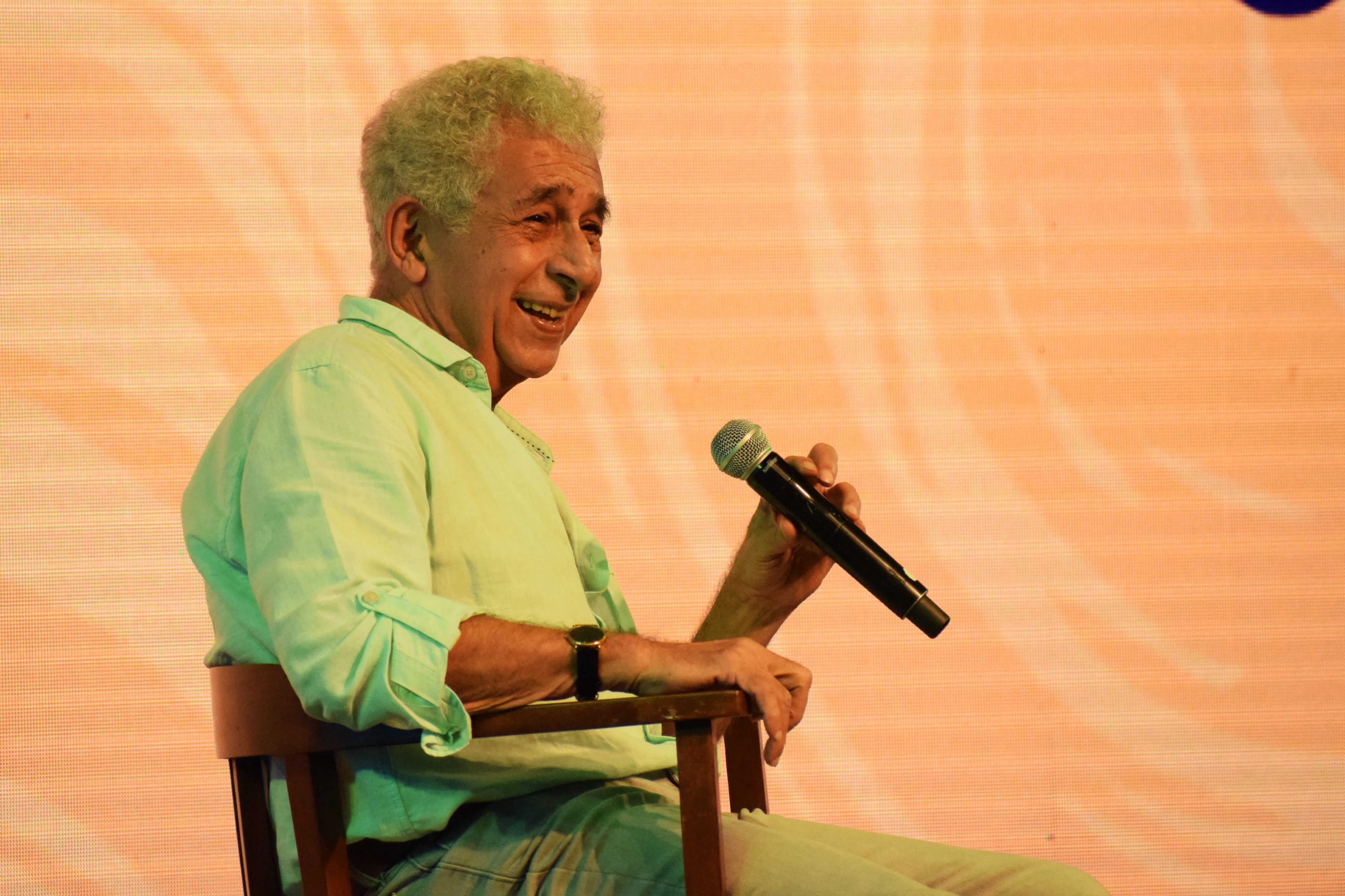
For over half a century, he has occupied a rare place in Indian cinema, far beyond the confines of stardom. Constantly challenging audiences (and himself) with performances of extraordinary depth, honesty and intelligence, Naseeruddin Shah remains one of India’s finest actors, writes Deepa Gahlot.
For an actor who has worked for over half a century, and in mostly difficult roles, Naseeruddin Shah is still capable of surprising an audience, as the recent Imitaz Ali film, Main Vaapas Aaunga shows. He plays a 95-year-old bedridden man, suffering from dementia. His performance brought tears to the eyes of those who know the heart-break of watching a loved one in this fragile state. Shah had earlier played a man with Alzheimer’s Disease in the stage play The Father, which he performed over long runs, and must have undoubtedly been exhausted by the emotional toll imposed by the role. It is a mark of great talent and great commitment to the role to put so much effort into it; most actors, jaded after so many years, would take shortcuts particularly if they were sure they would still be praised. Shah is, by now, critic-proof.
At the age of 76, Shah has allowed himself to age without vanity; he is one of the greatest actors of all time, but carrying that burden of admiration and expectation does not seem to faze him. He appears in public without an entourage, often accompanied by wife Ratna, chats amiably with fans, unless they impose on him too much, in which case he is capable of being acerbic with a remarkable vocabulary.
Trained at the National School of Drama and the Film and Television Institute of India, Shah arrived at just the right time. A cinema revolution was taking place in the 1970s, driven by a new wave of filmmakers who were breaking some rules of commercial cinema. At the vanguard of this cinematic artistic rebellion stood directors like Shyam Benegal, Govind Nihalani, Goutam Ghose, Saeed Mirza, Ketan Mehta, Sai Paranjpye and all of them were enamoured of Naseeruddin Shah’s talent and chameleonic ability to vanish into any role.
Shah redefined what it meant to be a leading man in Indian cinema. And once he had done that, he traversed parallel cinema as well as mainstream cinema with ease. At one point, he expressed dissatisfaction at not being offered tempting commercial film hero roles, and even commented that art cinema had started taking audiences for granted, and he did not wish to be part of that kind of film. He weathered the storm that followed and continued to do the films that he wanted to, from the starkly realistic Nishant, Manthan and Aakrosh to the fluffy Mohra, Tridev and Tahalka.
After acting in Benegal’s Nishant (1975), in which he played Vishwam, the youngest brother of an oppressive zamindar family, he brought shades of complexity to the part as a man who is aware of the wrongs that are going on, even if he suppresses his conscience.
This film resulted in a long-running and fruitful partnership with Benegal. The duo immediately followed this success with Manthan (1976), a film financed by half a million rural dairy farmers that chronicled the white revolution in India. In it, Shah portrayed Bhola, a fiercely defensive, villager whose initial cynicism toward the dairy project initiated by urban outsiders, gives way to understanding and solidarity
By the late 1970s and early 1980s, Shah had firmly established himself alongside contemporaries like Om Puri, Shabana Azmi, and Smita Patil as the stars of realistic cinema. In Govind Nihalani’s courtroom drama Aakrosh (1980), Shah played a well-meaning but eventually helpless lawyer, who had to defend a silent tribal man accused of murdering his wife.
The same year, he played the titular character in Saeed Mirza’s Albert Pinto Ko Gussa Kyun Aata Hai. Playing a hot-headed, young Christian mechanic in Mumbai, Shah perfectly captured the rage and political disillusionment of the urban working class.
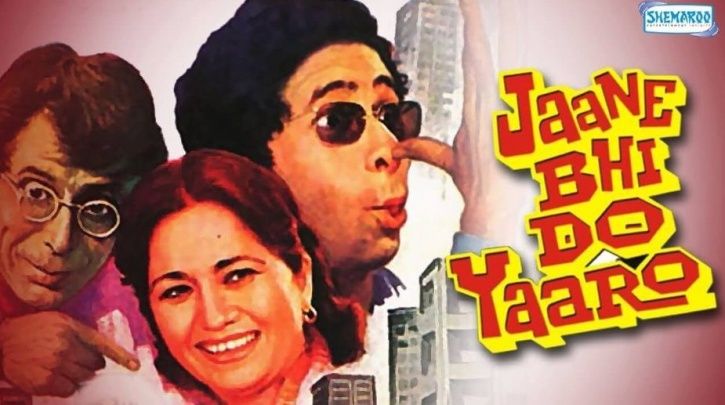
While Shah’s intense socio-politically charged films gave him his reputation as a serious actor, he showed that he also possessed an equally brilliant comic timing in Kundan Shah’s dark comedy Jaane Bhi Do Yaaron (1983). In the satire on bureaucratic corruption he played Vinod Chopra, a photographer, who gets caught up in the chaos of the absurd plot.
He played a prickly blind man in Sai Paranjpye’s Sparsh (1979), who does not want to be pitied, for which he won his first National Film Award for Best Actor. He also played a mild-mannered romantic in Katha (1983), her modern reimagining of the classic tortoise-and-hare fable.
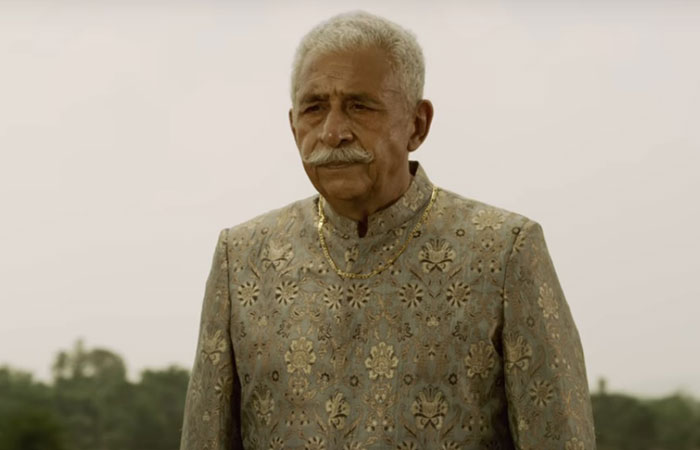
In Shekhar Kapur’s brilliant directorial debut, Masoom (1983), Shah was a loving husband and devoted father whose domestic peace is upended when he discovers he has an illegitimate son from a brief, forgotten past affair. Shah played him with a quiet, internalised guilt, without resorting to histrionics.
Goutam Ghose’s Paar (1984) is one of his most memorable roles, in a filmography studded with unforgettable characters. In perhaps the most physically and emotionally demanding performance of his career, he played Naurangia, an impoverished, exploited Dalit labourer from Bihar who is forced to flee his village with his pregnant wife (played by Shabana Azmi) to escape the brutal violence of a caste-driven landlord. The climax of the film had the two actors herding a massive bunch of pigs across a dangerous swiftly flowing river—one of the most viscerally disturbing scenes in Indian cinema. Shah lost weight to get the skeletal body of an undernourished man, and both actors did the scene without body doubles. For this film, was awarded the prestigious Volpi Cup for Best Actor at the Venice International Film Festival, as well as his second National Film Award.
As the parallel cinema movement began to lose momentum in the late 1980s due to economic problems and the rise of television, Shah made a conscious pivot toward commercial cinema. He smoothly transitioned into major multi-starrer commercial blockbusters like Subhash Ghai’s Karma (1986), in which he shared the screen with veteran thespian Dilip Kumar, holding his own as a fierce freedom fighter. In Rajiv Rai’s Tridev (1989), he danced and fought with the best of them, and, in a major professional milestone his 100th film was Rajiv Rai’s hit Mohra, in which he played Jindal, a seemingly benevolent, blind philanthropist who is secretly a ruthless drug lord.
He elevated this mainstream villainy to elegance in John Matthew Matthan’s Sarfarosh (1999), in which he played Gulfam Hasan, a refined Pakistani ghazal singer who enjoys widespread popularity in India but secretly operates as a mastermind directing cross-border terrorism. This was in total contrast to his comic yet nasty villain in Ketan Mehta’s 1985 film, Mirch Masala.
Long before the concept of a global crossover became a trend for Indian actors, Shah was comfortably making his mark on international projects. In 2001, he played the harried patriarch Lalit Verma in Mira Nair’s internationally acclaimed Monsoon Wedding. Two years later, he did a major Hollywood studio film, The League of Extraordinary Gentlemen (2003) alongside legendary Academy Award winner Sean Connery. Shah essayed the iconic literary character Captain Nemo, bringing his commanding presence to the big-budget action flick. Furthermore, his work in Pakistani cinema—most notably his powerful cameo in Shoaib Mansoor’s Khuda Ke Liye (2007)—marked his willingness to be a part of brave, socially conscious stories across borders.
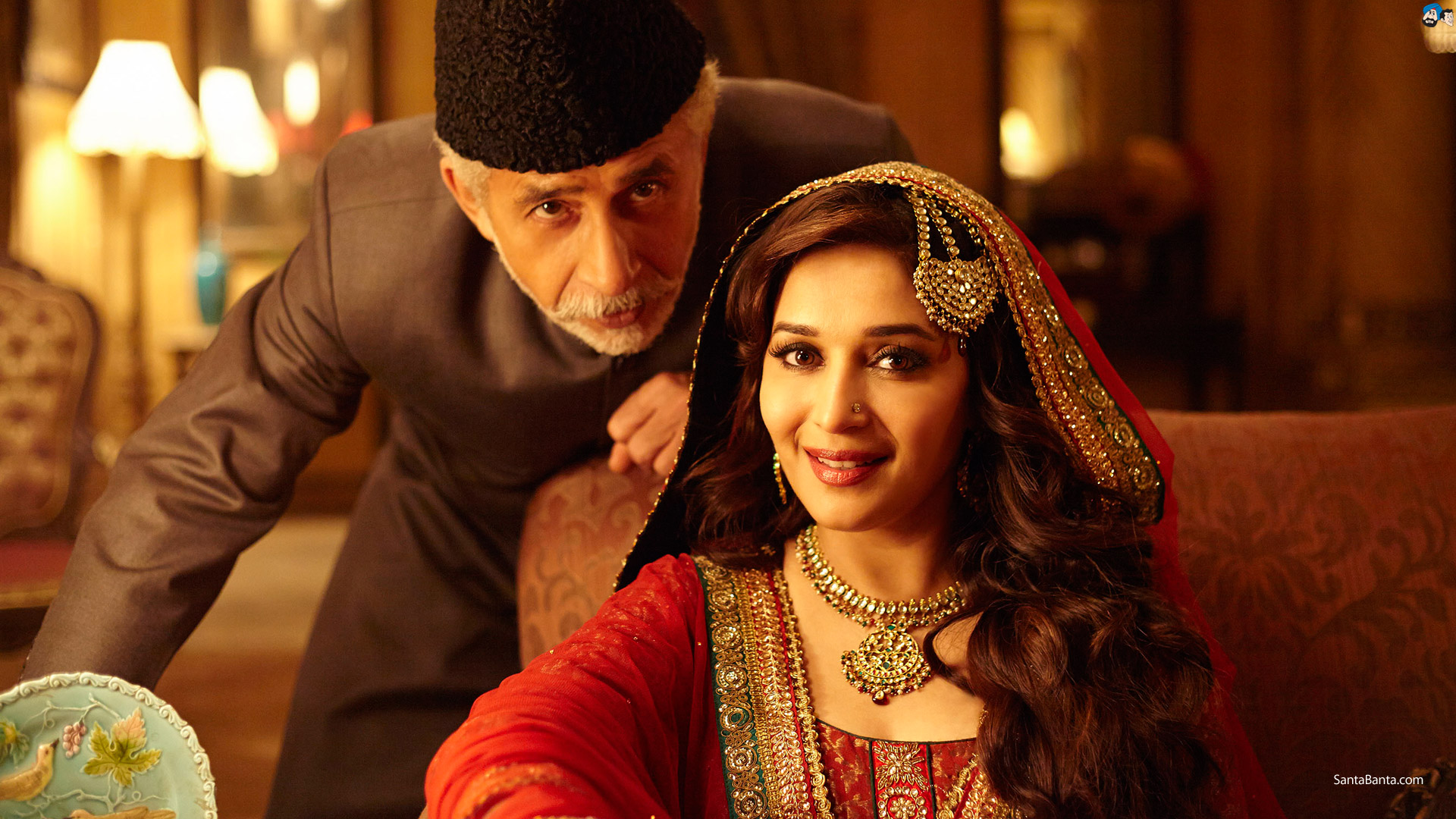
He also recognised the immense power of television and collaborated with Gulzar to portray the legendary 19th-century Urdu poet in the definitive Doordarshan biography Mirza Ghalib. Shah’s performance was so thoroughly immersive that he brought the poet to life for a generation not well-versed with Urdu poetry. He also worked extensively on Shyam Benegal’s monumental historical series Bharat Ek Khoj, portraying significant figures from Indian history.
Despite his outstanding screen filmography, Naseeruddin Shah has often stated that his true allegiances lie with the theatre. In 1977, alongside fellow actors Tom Alter and Benjamin Gilani, Shah had co-founded Motley Productions. The theatre group’s very first venture was a highly experimental production of Samuel Beckett’s avant-garde classic Waiting for Godot in 1979. Motley went against prevailing trends in theatre to introduce Western classical texts, absurdism, and minimalistic storytelling that prioritised the actor’s craft above all else.
Over the ensuing decades, Motley Productions became an essential institution in Indian theatre. Shah directed and acted in a vast array of plays, from William Shakespeare to the rich, layered Urdu prose of 20th-century masters like Saadat Hasan Manto and Ismat Chughtai. With his wife and creative partner Ratna Pathak, he has done wonderful stage productions like Dear Liar and Old World. They often do readings of important literary works, in the belief that an actor’s voice is the most important means of communication.
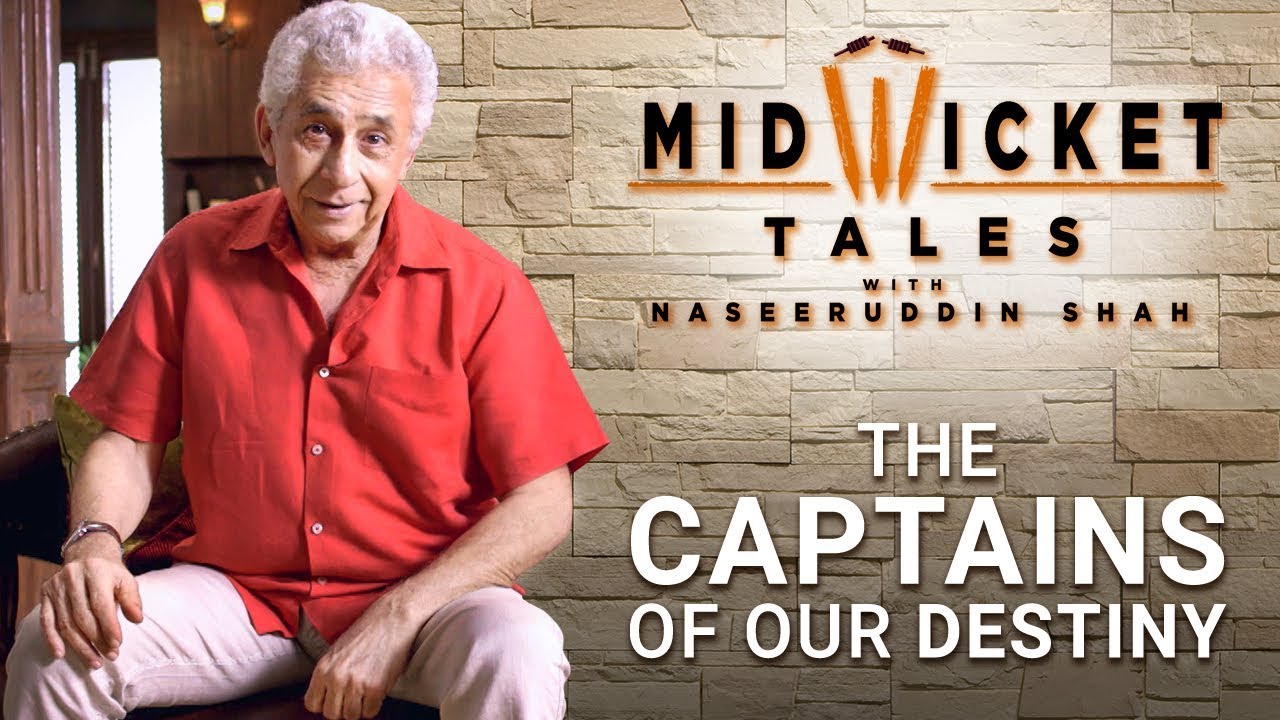
As the film landscape shifted into the 21st century, Shah naturally evolved, continuing to champion independent voices while also seamlessly adapting to the rise of digital streaming platforms. In 2005, he won his third National Film Award (Best Supporting Actor) for his role in Nagesh Kukunoor’s Iqbal, playing Mohit, a cynical, forgotten former cricketer who overcomes his alcoholism to coach a deaf-mute village boy to the national team. He followed this with Neeraj Pandey’s political thriller A Wednesday! (2008), in which he was an anonymous ‘Common Man’ who takes Mumbai hostage by planting bombs, to bring notice to terrorism. Shah delivered a blistering monologue about the fear and latent fury of the ordinary citizen, helpless against the lack of political wili.
With the emergence of OTT streaming platforms, Shah found new challenges there–in Amazon Prime’s musical drama Bandish Bandits (2020), he played Pandit Radhe Mohan Rathod, an autocratic classical music maestro who clings to traditional artistic purity at the expense of his family’s well-being. He also brought his signature gravitas to major streaming projects like Modern Love Mumbai (2022), as Emperor Akbar in the historical Taj: Divided by Blood (2023), the tense geopolitical thriller IC 814: The Kandahar Hijack (2024) and Made in India: A Titan Story in which he was a perfect JRD Tata.
Naseeruddin Shah’s impact on Indian culture extends far beyond his extensive filmography. He has earned a reputation for being one of the most outspoken public intellectuals in the entertainment industry. His candid memoir, And Then One Day (2014), offers an frank self-examination, where he critiqued his own flaws and artistic failures with the exact same objectivity he applied to his acting roles.
If at all he failed at anything, it was film direction – he expressed dissatisfaction with the way his film, Yun Hota To Kya Hota (2006) turned out. Consequently, he confined himself to directing plays.
Shah has been a vocal critic of the creative stagnation and mainstream Bollywood, in a constant quest for box-office success, and the rise of a ridiculous celebrity fandom. For his monumental contributions to cinema and theatre, the Government of India has bestowed upon him its highest civilian honours: the Padma Shri in 1987 and the Padma Bhushan in 2003.
Ultimately, Naseeruddin Shah’s extraordinary career stands as a brilliant testament to the enduring power of talent, artistic courage, training and a rigorous approach to building believable characters. He has left an indelible mark on Indian cinema and theatre, cementing his place as a true cultural giant.