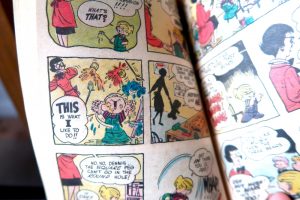






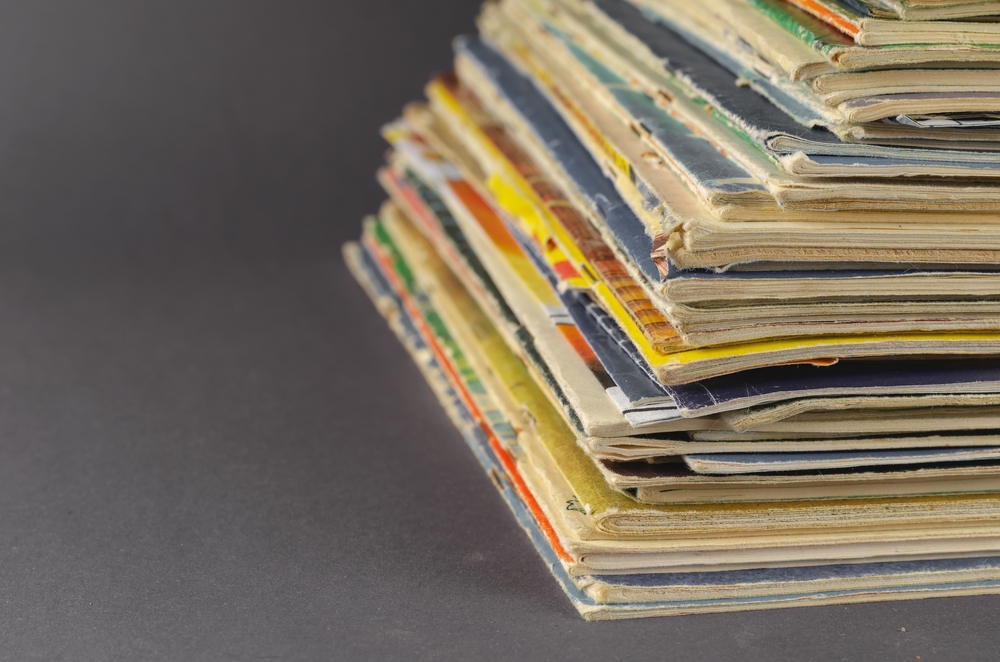
For a small deposit and reading fee, a reader could pick up as many books, comics and magazines they could race through in a week, writes Deepa Gahlot
People of a certain age would remember the neighbourhood circulating library. For a small deposit and reading fee, a reader could pick up as many books, comics and magazines they could race through in a week.
One realises that our childhood reading habits were entirely shaped by the books available at the library, and the owner usually picked up material that was in demand. So there was a profusion of Mills & Boons, Barbara Cartlands, Harold Robbins and Nick Carters and foreign magazines a few months out of date, because it took that much time for them to land in India by ship. That also meant that the reading material that did not reach Mumbai, did not exist for us. Without Google or a close relative living abroad, how would we even know? None of the circulating libraries we frequented got the Narnia books, so we didn’t discover them till much later, maybe when the movie came out.
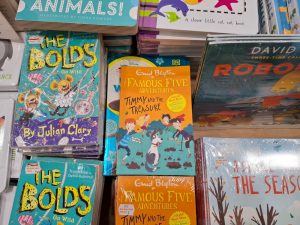
For kids there was an endless selection of comics and the ever popular Enid Blytons with her antics of the Famous Five and exciting stories of a boarding school called Mallory Towers. Through her very British books, we learned about midnight feasts, scones to be eaten with clotted cream and jam, and watercress sandwiches. Except for jam, the other dishes were not available to the ordinary citizen of India back then, and going to the UK was a distant dream. The girls all loved the tomboyish George, who liked to dress in boys’ clothes and was always leading her gang into solving mysteries.
The childhood of the English kids we read about became aspirational for us, mainly because our parents would not let us stray too far from the building gates, leave aside chasing criminals.
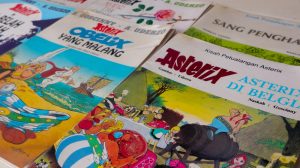
Then Enid Blyton got cancelled for entrenched racism, xenophobia, sexism, and lack of literary merit in her stories, which no kid ever noticed or was bothered by. Only when wokeness became a trend did one realise how racist the Phantom and Tarzan comics were, with their white saviour heroes swaggering about the jungles of Africa. Mandrake The Magician had a Black sidekick called Luther, which nobody minded. It was much more fun reading these stories than Amar Chitra Katha, Chandamama and Chacha Chaudhary, and without realising it, our minds were colonized!
Slightly older kids would get to read about Biggles the fighter pilot, Nancy Drew the teen detective, the Hardy Boys and Billy Bunter, and no teen got through those years without some help from Archie, Veronica, Betty, Reggie, Jughead, Big Ethel, Moose, Midge and Dilton.
There were Superman and Batman and the early Marvel comics, which are huge now. But the absolute legends of childhood were the characters of Harvey Comics!
Harvey Comics was founded by the Harvey brothers Alfred, Leon and Robert in the 1940s and are best remembered at least by children in India by kids in India —Richie Rich, Little Lotta, Caspar, Spooky. Baby Huey. They managed to amass a huge fan following and a distinct place in comic book history by focusing almost entirely on wholesome, humour-driven, and family-friendly characters. While Marvel and DC offered superheroes, Harvey grabbed young readers with their signature art style—characterized by large heads, expressive eyes, and vibrant, friendly designs largely shaped by legendary artist Warren Kremer. (Source internet)
The most popular and enduring Harvey Comics titles and characters generally fall into a few core “families.” Richie Rich & The “Rich” Universe was introduced as a backup feature in 1953, Richie Rich –The Poor Little Rich Boy– grew to become Harvey’s biggest star, eventually anchoring dozens of spin-off titles. The stories balanced the sheer absurdity of extreme wealth (like diamond-encrusted door knobs, gold playhouses) with the fact that Richie remained a genuinely kind, down-to-earth kid, not like today’s entitled brats. Key characters supporting his universe included his loyal butler Cadbury, his robot maid Irona, his girlfriend Gloria Glad, and his mean, bragging cousin Reggie Van Dough.
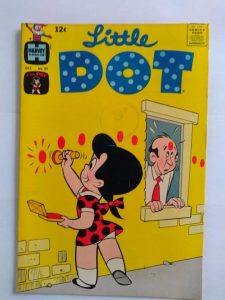
Harvey found incredible success with a trio of mischievous young female protagonists who frequently crossed over into each other’s book –Little Audrey, Little Dot and Little Lotta – the last would get cancelled today when nobody can even mention the word “fat.”
Audrey was a spunky girl, known for always being up for adventures and having amusing dream sequences. Dot was hilariously obsessed with dots, spots, and polka dots. Her stories involved her finding dots everywhere or driving her parents crazy trying to dot-ify her surroundings. (Today, she would have been sent to a therapist and diagnosed with some other disorder or the other. Dot’s best friend, Lotta was characterised by an insatiable appetite and superhuman physical strength, which she frequently used to single-handedly defeat bank robbers or rescue people in distress.
Then there was Wendy The Good Little Witch, who always used her magic to help people, unlike her three wicked aunts. Together the Harvey Girls broke gender stereotypes of the times.
Baby Huey was a gigantic, innocent duckling who wore a diaper. His sheer size and strength constantly cause accidental destruction, usually defeating the hungry Fox who is desperately trying to cook him.
Sad Sack, one of Harvey’s long-running hits, was created during World War II. He was a bumbling army private who constantly got stuck with KP (kitchen patrol) duty and suffered under the thumb of Sgt. 1st Class Saratoga–the gluttonous Sarge!
Harvey pioneered the strategy of introducing characters in the back of popular books before giving them their own series. Both Richie Rich and Little Lotta debuted as backup stories inside the pages of Little Dot!
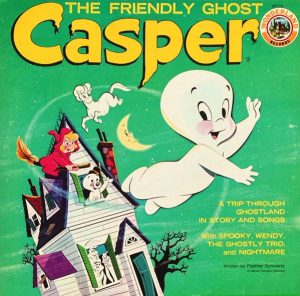
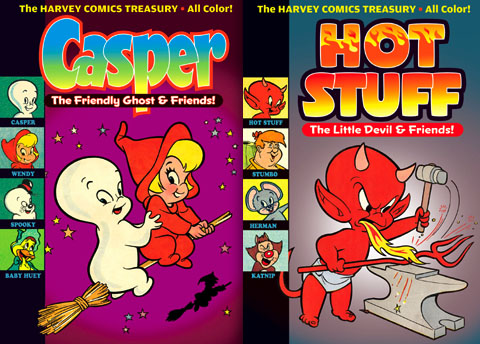
Kids probably got over their fear of ghosts thanks to Casper The Friendly Ghost, who just wanted to be nice and make friends; and his cousin, Spooky The Tuff Little Ghost, who loved going “boo!” and scaring people. He also had a girlfriend, Pearl, whom he called “Poil.” Hot Stuff the Little Devi was a red, diaper-wearing devil with a fiery temper who tried to do bad deeds but usually ended up accidentally performing good ones.
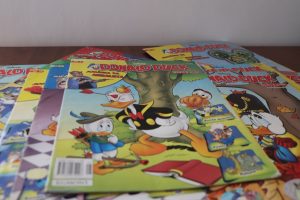
Disney contributed to our childhood with Mickey and Minnie Mouse, Pluto, Mickey’s lovable dog and Goofy, his clumsy best friend. There was Donald Duck, the wealthy Uncle Scrooge, Huey, Dewey, and Louie, Donald’s clever triplet nephews who are Junior Woodchucks, Daisy Duck, Donald’s stylish girlfriend and their Duck universe.
Of the icons of our childhood, at least Dennis the Menace and Archie and his Riverdale Gang are still around. The squabbling Tom and Jerry still pop up occasionally, being accused of encouraging violence, but most kids who read (or watched on TV) their antics grew up quite normal.
Today’s kids grew up on the gigantic Harry Potter franchise, with its huge marketing, its own vocabulary and mythology and a kind of manufactured fandom.
Back then, the only marketing was the librarywala quietly bringing out the new comic for a favourite customer and saying, “Naya aaya hai,” and we ran home to hide it in the pages of a text book and read it before anyone else.