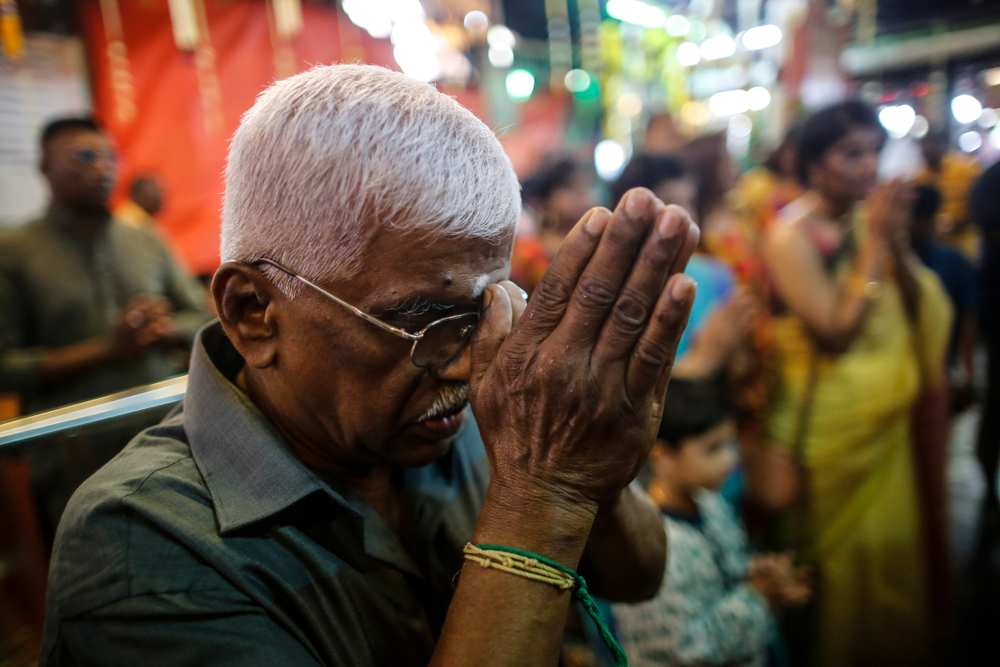






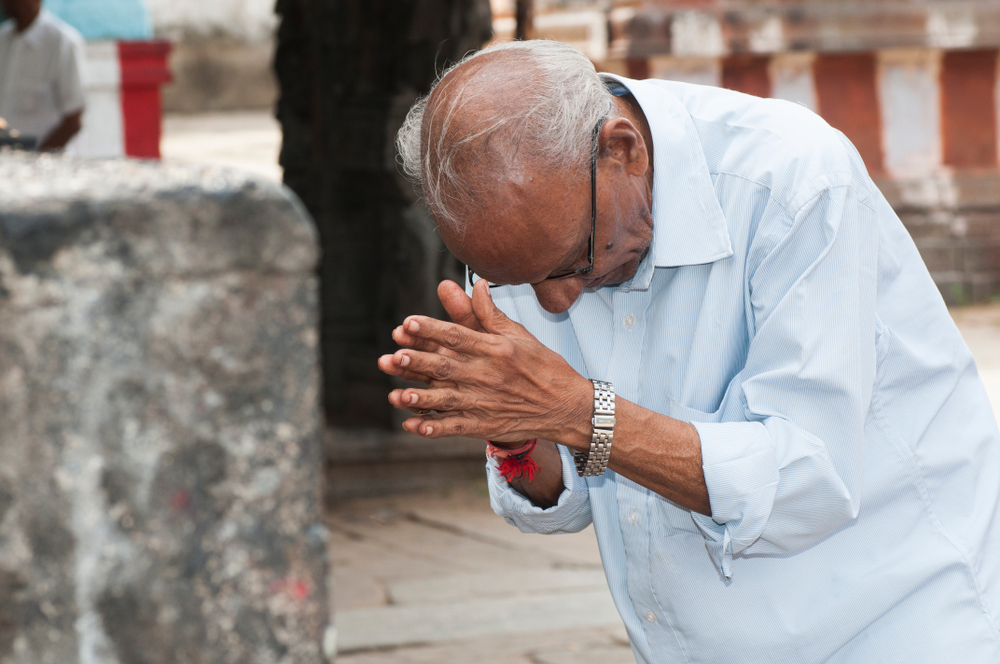
We grew up with the idea that some things were beautiful precisely because they remained private, reminisces Harsh Goenka.
For generations, going to a temple was a deeply personal experience for Indian families. For many of us who grew up before the age of smartphones, a visit to a temple meant folded hands and a few moments away from the noise of everyday life. We went to seek blessings, to feel good and sometimes simply to sit in silence. There was little need to photograph the moment or tell the world that we had been there. The experience belonged to us.
Today, the experience has changed. The hands are still folded, but the phone is often ready. A photograph at the temple, a video of the prayer, a post announcing a visit to a famous shrine. For celebrities, business leaders and influencers, cameras may even accompany them. What was once a private expression of faith becomes a public performance. Sometimes one wonders whether we are visiting God for ourselves or visiting God so that everyone else knows we have done so.
For senior citizens, this change carries a particular poignancy. Many of us have spent decades visiting the same temples. We remember a time when standing in a queue was a necessary part of the pilgrimage. We carried our prasad, our flowers and a small prayer written in our hearts. Today, however, the experience can feel increasingly divided between ordinary devotees and those who receive special access. Age, unfortunately, does not always bring privilege. An elderly woman who has travelled for hours, a senior citizen standing patiently with a walking stick, or an old couple making what may be one of their last pilgrimages can sometimes find themselves behind people whose money, position or fame opens another door.
This raises a simple question. Who is the VIP in the house of God? Is it the industrialist who can make a large donation? The film star surrounded by cameras? The politician whose visit requires special arrangements? Or the eighty-year-old grandmother who has saved for years to make the journey? Perhaps it is the farmer offering the first fruits of his harvest, or the child putting ten rupees from his savings into the donation box. If we believe that God sees every devotee equally, perhaps our temples should try to reflect some of that equality.
Of course, temples today face enormous crowds and security concerns. Senior citizens, people with disabilities and those with genuine medical needs may require special arrangements. Security for public figures can also be a legitimate necessity. There is a difference between managing a crowd with sensitivity and creating a hierarchy of devotion. The real test is whether the ordinary devotee, particularly the elderly devotee, still feels respected.
There is another change that many of us have witnessed. We have begun turning almost every experience into content. We photograph our meals, record our holidays, post our family celebrations and announce our achievements. Social media has made visibility a form of currency. Even charity can sometimes become a public event, with photographs of the donor, the cheque and the ceremony circulating widely. Yet our parents and grandparents taught us a rather different idea of giving. There was an old belief that charity should be so quiet that even the left hand should remain unaware of what the right hand had given. The purpose was the act itself, rather than applause for the act.
Perhaps seniors have something valuable to teach the younger generation here. We grew up with the idea that some things were beautiful precisely because they remained private. A prayer did not need an audience. A good deed did not require publicity. A temple visit did not need a photograph. A moment of gratitude could remain between us and God.
There is also something deeply moving about the relationship between age and faith. As we grow older, our reasons for visiting a temple often change. When we are young, we may pray for success, achievement and prosperity. Later in life, our prayers become simpler. We pray for the health of our family. We think of people who are no longer with us. We seek peace more than possessions. We ask for strength to accept what life brings and gratitude for what it has given us. The temple becomes less a place where we ask for things and more a place where we learn to let go.
That is why the growing obsession with VIP darshan can feel particularly uncomfortable to an older generation. After a lifetime of achievement, many seniors have reached a stage where status matters less. The businessman, bureaucrat, actor or politician eventually becomes simply an elderly man or woman seeking a few quiet moments before the deity. At that stage of life, perhaps the most meaningful privilege is simply to stand among other devotees and feel equal to them.
There is an irony here. We go to a temple to leave our ego behind, yet sometimes we carry it through the temple gates with us. We want the shortest queue, the closest view, the special entrance and perhaps the photograph to prove that we were there. But the spiritual journey asks us to be the opposite. It asks us to become smaller and more grateful.
Perhaps temples can help restore some balance. Large temples have every reason to create efficient systems for crowds. Special arrangements for senior citizens, people with disabilities and genuine medical needs can make a pilgrimage more humane. Facilities such as seating, drinking water, clean toilets, medical assistance and shorter waiting times can make an enormous difference to older devotees. These are forms of dignity rather than privilege.
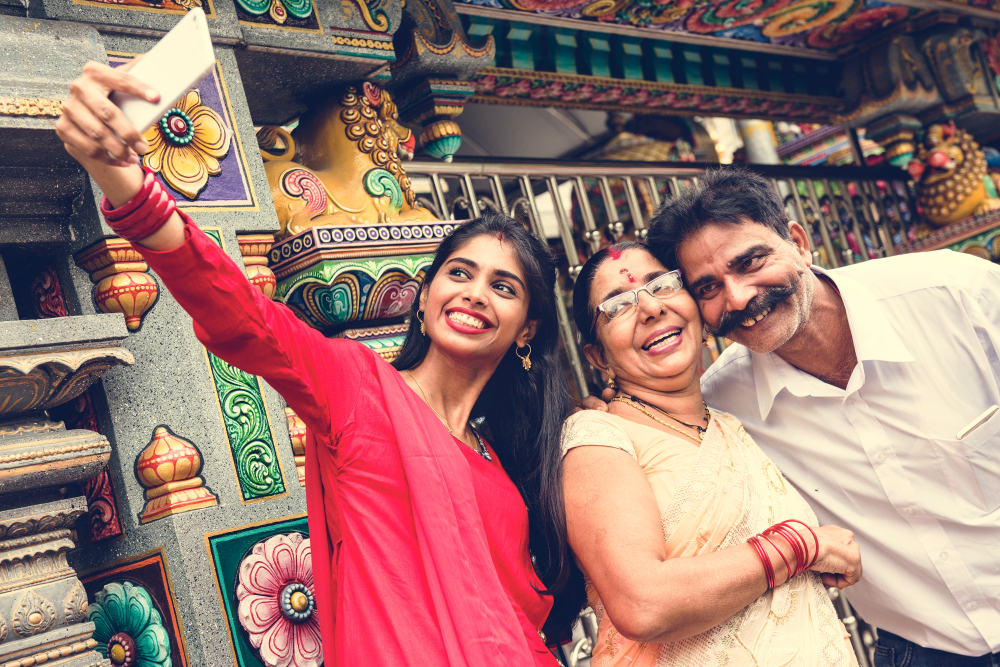
And perhaps we too can rediscover an older wisdom. We need not photograph every prayer. We need not announce every donation. We need not prove our devotion to strangers. There is a special beauty in keeping some experiences entirely to ourselves.
For many seniors, the greatest blessing of a temple visit may be the few quiet minutes after the prayer, when we sit down and simply breathe. We remember the people who brought us here. We think of the roads we have travelled, the mistakes we have made, the people we have loved and the people we have lost. We realise that after all the wealth, recognition and achievements of a lifetime, what remains most precious is peace.
Perhaps that is the real VIP darshan. The moment when there is no VIP and no ordinary devotee. No celebrity and no anonymous person. No rich and no poor. Just a human being standing before something larger than himself.
The true test of a pilgrimage begins when we leave the temple. If we return home a little more patient with our spouse, a little kinder to our children, more respectful of the person who serves us, more generous towards someone in need and a little less attached to our own importance, then perhaps the prayer has been answered.
Our senior years give us an opportunity to rediscover this simplicity. We have spent much of life being seen, recognised and remembered. Perhaps the later chapters can be about something quieter- simply being.
So the next time we enter a temple, perhaps we can leave the phone in our pocket for a while. Let the photograph wait. Let the world wait. Close our eyes, fold our hands and stand quietly before the deity. After all, the most beautiful conversations with God are often the ones that nobody else.