






Reflective and meditative practices for senior citizens can significantly improve mental clarity, emotional resilience, and physical well-being, writes Dr Monika Dass
Reflective and meditative practices for senior citizens can significantly improve mental clarity, emotional resilience, and physical well-being. These practices help manage age-related stressors, such as anxiety, chronic pain, or isolation, by promoting a sense of calm and present-moment awareness.
A few tailored reflective and meditative practices suitable for you:
Core Meditative Practices
Guided Meditation: Using audio recordings or apps to follow a soothing voice that leads you through relaxation techniques, focusing on soothing sounds and positive imagery.
Mindful Breathing (e.g., 4-7-8 method): Inhaling slowly through the nose for 4 seconds, holding for 7, and exhaling through the mouth for 8. This helps slow the heart rate and reduce anxiety.
Body Scan Meditation (Yog Nidra in India): Sitting or lying down comfortably, you gently guide your attention from your feet up to your head, focusing on releasing tension in different parts of the body.
Visualisation: Mentally imagining a tranquil setting – like a calm beach or a quiet garden – to evoke feelings of peace and reduce stress.
Reflective & Gentle Practices
Gratitude Journaling: Writing down three things you are grateful for each day to help shift focus from challenges toward positivity.
Guided Autobiography / Reminiscences: Reflecting on life stories, significant events, and milestones. This can be done alone or through structured groups to provide a sense of purpose.
Mindful Walking / Nature Walks: Walking slowly, focusing on the feeling of your feet touching the ground, and noticing the sights, sounds, and smells of nature.
Art Therapy or Crafting: Engaging in painting, drawing, or crafting to encourage a flow state of mind and emotional expression.
Gentle Movement and Somatic Awareness
Chair Yoga: Combining gentle stretching, breathwork, and meditation, ensuring safety for those with limited mobility.
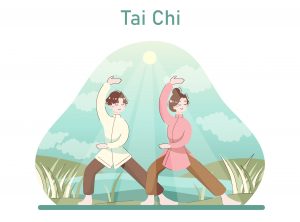
Tai Chi: Often called “meditation in motion,” this involves slow, focused movements that enhance balance and mental concentration.
Mindful Eating: Savouring food by eating slowly, paying attention to flavours, textures, and aromas to foster appreciation and presence.
Tips for Starting a Practice
Start Small: Begin with just 5 to 10 minutes a day to build a habit without pressure.
Create a Comfortable Space: Designate a quiet corner with a comfortable chair or cushion, perhaps adding a calming item like a blanket or plant.
Be Consistent: Regularity matters more than duration; daily practice brings the best results.
Be Gentle with the Mind: It is normal for the mind to wander. When it does, gently guide your focus back to the breath or the present moment without self-judgment.
A Few Things to Remember:
- Reflective practice is the continuous process of analysing actions, decisions, and experiences to foster professional growth, learning, and self-awareness. Key components include self-evaluation, writing reflections, and seeking feedback, often applied in education, healthcare…. and will certainly help in daily life!
- 20 minutes of meditation is equivalent to 4 to 5 hours of deep sleep.
- Meditation has been shown to reduce stress levels, which can also help alleviate symptoms of autoimmune diseases.
- Several studies show that meditation can help relieve tinnitus symptoms.
- For good sleep: eliminate caffeine 10 hours before sleep; cut alcohol 3 hours before bed; stop working 2 hours before bed and stop screen time 1 hour before bed.
- Meditation does not feel like it changes your brain. It literally does. Neuroimaging studies show measurable structural and functional changes as little as 8 weeks of regular practice.
- Thinking, speaking or acting in ways that harm can negatively impact our meditation practice. It may even prevent us from returning to meditation at all.
- You start responding rather than reacting. Your relationships feel safer, and boundaries become easier to set. You find joy in small things again, and moments of peace last a little longer.
These are all signs that your brain is gradually rewiring in healthier and more balanced ways!! To sum up…
“Follow effective action with quiet reflection. From the quiet reflection will come even more effective action.” – Peter Drucker…. and “The real practice is living your life as if it really mattered from moment to moment.” – Jon Kabat-Zinn