







Drinking plain water all day can feel tedious, especially when thirst itself is not a pull. Tina Vora offers a simple, thoughtful guide to make hydration more enjoyable and varied.
As we advance in years, the body begins to communicate its needs more quietly. One such change is a diminished sense of thirst. Many older adults may not feel thirsty even when their bodies require fluids, which makes dehydration an often overlooked concern. In a country like India, where the climate can be warm for much of the year, maintaining adequate hydration becomes especially important.
Water is fundamental to nearly every function in the body. It supports digestion, keeps joints supple, regulates body temperature, and helps in flushing out waste. Even mild dehydration can lead to fatigue, headaches, dizziness, or confusion—symptoms that are sometimes mistaken for other age-related concerns. Over time, insufficient fluid intake may also contribute to constipation, urinary infections, and reduced energy levels.
Yet, drinking plain water throughout the day may feel monotonous, particularly when one does not feel naturally inclined to drink. The good news is that hydration need not be dull or forced. With a few simple additions—many of which are rooted in Indian kitchens—water can be transformed into something flavourful, comforting, and even therapeutic. These variations not only make drinking water more enjoyable but can also gently support digestion, immunity, and overall vitality.
Below are 10 thoughtful water variants that can bring both taste and wellness into daily hydration.
- Nimbu Pani (Lemon Water)

A classic across Indian households, nimbu pani is refreshing and uplifting. A squeeze of fresh lemon in water, whether warm or cool, offers a pleasant tang along with a dose of vitamin C. A pinch of rock salt or a hint of honey can make it even more appealing, particularly during warmer days.
- Tulsi Infused Water
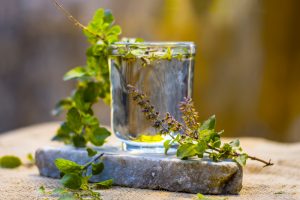
Tulsi leaves, often found growing in household courtyards, are known for their calming and immune-supporting qualities. Simply adding a few washed leaves to a glass or jug of water allows their subtle flavour to infuse gently, creating a soothing drink suitable for any time of day.
- Jeera Water (Cumin Infusion)
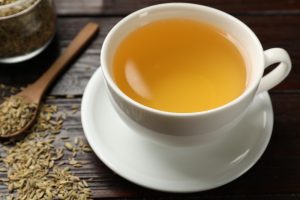
Jeera water is a time-tested remedy for digestive comfort. Soaking cumin seeds overnight and consuming the strained water in the morning can help ease bloating and support metabolism. Its earthy flavour is mild and familiar, making it easy to incorporate into daily routine.
- Mint and Cucumber Water
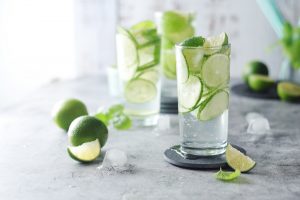
Few combinations feel as cooling as mint and cucumber. Thin slices of cucumber paired with fresh mint leaves lend a refreshing taste to water, making it particularly enjoyable during hot afternoons. It also helps in keeping the body cool and hydrated.
- Saunf Water (Fennel Infusion)
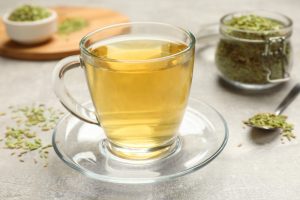
Fennel seeds bring a gentle sweetness and aroma to water. Lightly crushed and soaked, they release their essence gradually. This infusion is often appreciated after meals, as it may help in digestion and leave a pleasant aftertaste.
- Amla Water
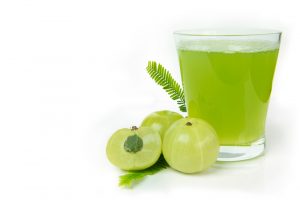
Amla, or Indian gooseberry, is valued for its rich antioxidant content. A small amount of fresh amla juice diluted in water creates a tangy, invigorating drink. It can be especially beneficial for supporting immunity and maintaining general vitality.
- Cinnamon Water
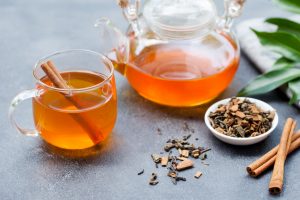
A cinnamon stick left to steep in water overnight imparts a delicate warmth and fragrance. This infusion is subtle yet comforting, and is often considered helpful in supporting balanced blood sugar levels and circulation.
- Ginger Water

Fresh ginger slices in warm water create a soothing and slightly spicy drink. It is particularly comforting in cooler weather or after meals, as it may aid digestion and help ease mild nausea or discomfort.
- Fruit-Infused Water (Seasonal Blends)

Seasonal fruits can add both colour and gentle sweetness to water. Slices of orange, apple, pomegranate kernels, or even a few crushed berries can transform a simple glass into something inviting. These infusions encourage more frequent sipping and bring variety to daily hydration.
- Ajwain Water (Carom Seed Infusion)

Ajwain seeds, commonly used in Indian cooking, are known for their digestive properties. Boiling a small quantity in water and allowing it to cool creates a slightly strong but beneficial drink. Taken in moderation, it may help relieve indigestion and support gut health.
Incorporating these variations into daily life need not feel like a structured routine. A glass of infused water in the morning, another between meals, and a warm preparation in the evening can naturally space out fluid intake. Keeping a filled bottle or a jug within easy reach—perhaps on a bedside table or near a favourite chair—can serve as a gentle reminder to sip through the day.
It is also worth noting that hydration does not need to happen in large quantities at once. Small, regular sips are often more comfortable and effective than trying to drink large amounts infrequently. Listening to one’s body, while also building a quiet discipline around drinking fluids, can create a healthy balance.
For those managing specific health conditions such as heart or kidney concerns, it is always wise to follow personalised medical advice regarding fluid intake. Family members and caregivers can play a valuable role here—by offering a variety of these preparations, checking in periodically, and making hydration a shared, pleasant activity rather than a task.
There is also something deeply comforting about these traditional infusions. Many of them carry familiar aromas and tastes that connect one to home, routine, and memory. A glass of jeera or saunf water may remind one of long-held household practices, while a jug of cool fruit-infused water can feel like a small indulgence on a warm afternoon.
In the end, staying hydrated is not about strict rules or elaborate effort. It is about care—quiet, consistent care for the body that has carried one through many seasons of life. By making water more enjoyable and approachable, it becomes easier to honour that care each day.
A simple glass of water, thoughtfully prepared and regularly enjoyed, can go a long way in supporting comfort, clarity, and well-being in the golden years.