





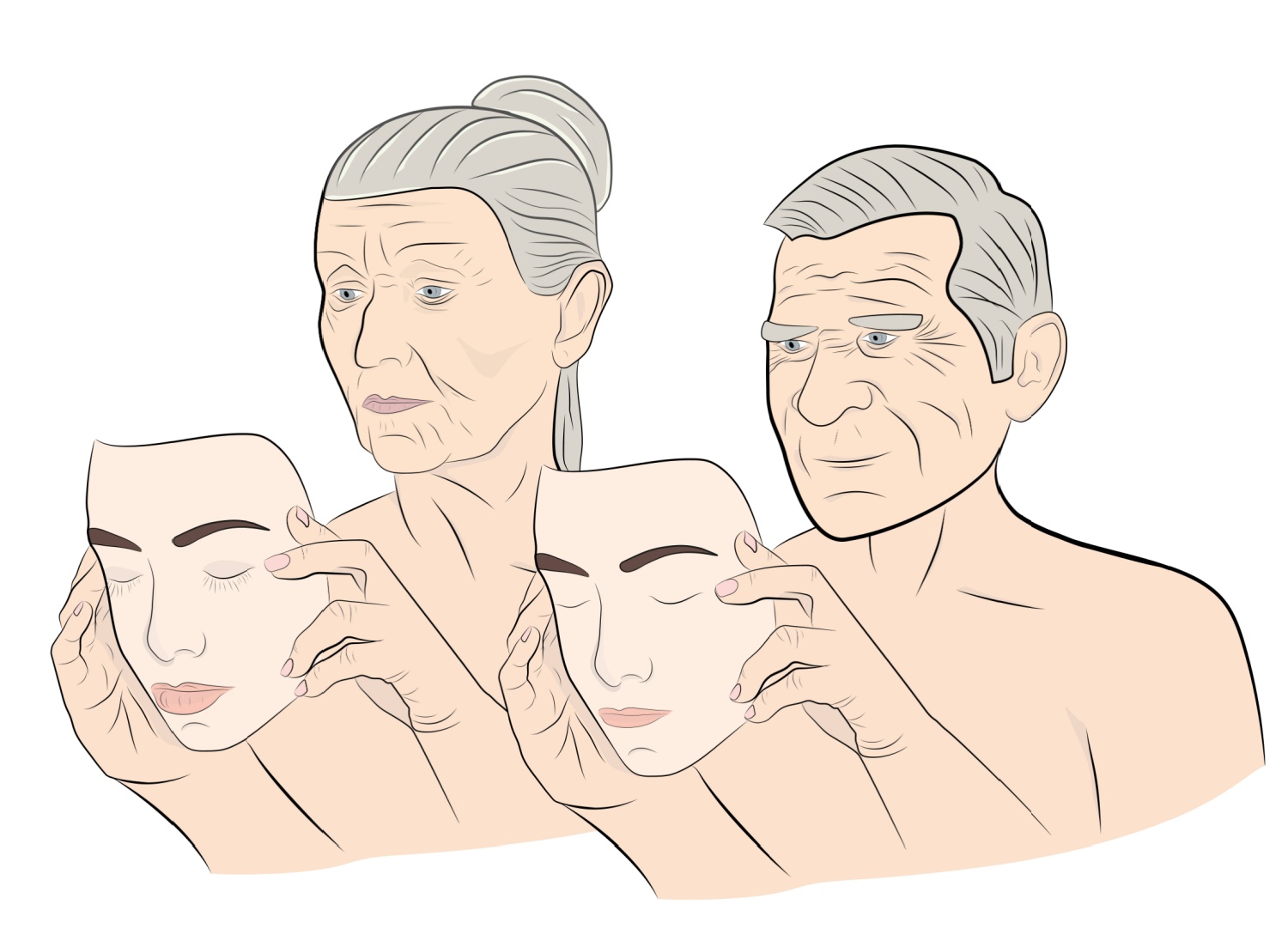
For decades, looking younger often meant going under the knife.
Facelifts, eyelid surgery, and invasive cosmetic procedures were once the primary options for those hoping to reduce visible signs of ageing. These surgeries could tighten skin and reshape facial contours, but they came with cost, downtime, and risk.
Today, that landscape is changing rapidly.
A new generation of aesthetic treatments promises to rejuvenate the face without surgery, using regenerative science, energy-based devices, and biologically active ingredients designed to stimulate the skin’s own repair mechanisms.
From stem-cell derived growth factors and exosome therapies to radiofrequency microneedling, ultrasound lifting, and advanced collagen stimulators, the focus is shifting from pulling the skin tighter to encouraging it to repair and regenerate from within.
These innovations are transforming aesthetic medicine.
But they are also raising important questions.
How much of this is grounded in science? How much is marketing? And are these treatments truly reversing signs of ageing — or simply refining the way we manage them?
A Shift from Cosmetic Surgery to Regenerative Aesthetics
Traditional cosmetic surgery works by mechanically altering facial structures — lifting skin, removing tissue, and tightening underlying muscles.
Modern regenerative aesthetics takes a different approach.
Instead of surgically reshaping the face, these treatments aim to This is possible because scientists now better understand what happens as skin ages.
Over time, the skin produces less:
- collagen
- elastin
- hyaluronic acid
Blood circulation slows, cellular turnover decreases, and repair mechanisms become less efficient. These changes contribute to:
- fine lines
- sagging
- loss of volume
- uneven texture
- dullness
According to Dr Rox Anderson, a pioneer in energy-based dermatological treatments:
“The future of aesthetic medicine lies in controlled stimulation of the skin’s natural repair processes.”
That philosophy is now shaping the newest anti-ageing treatments.
Stem Cell Technology: Repair Signals Without Surgery
Stem cells are the body’s “master cells”, capable of producing signals that support repair and regeneration.
In aesthetic medicine, stem-cell therapies generally do not involve injecting live stem cells into the face, despite the way they are often marketed.
Instead, treatments use stem cell-derived growth factors — proteins and signalling molecules produced by stem cells that help stimulate repair in skin tissue.
These growth factors may help:
- boost collagen production
- improve skin texture
- enhance wound healing
- support elasticity
According to dermatological researchers, these regenerative signals may improve the skin’s healing environment, encouraging healthier function.
However, experts caution that the term “stem cell facial” is often used loosely.
Dr Murad Alam, Vice Chair of Dermatology at Northwestern University, notes that:
“Many so-called stem cell treatments in aesthetics rely on growth factors rather than actual stem cells, and the science varies considerably between products.”
The promise is real, but the evidence is still evolving.
Exosomes: Tiny Messengers with Big Potential
Among the most talked-about innovations in 2026 are exosomes.
Exosomes are microscopic vesicles released by cells. They carry proteins, lipids, and growth signals that help cells communicate.
In regenerative aesthetics, exosomes are used after procedures such as microneedling or laser therapy to enhance repair.
The theory is that they may:
- stimulate collagen synthesis
- reduce inflammation
- improve recovery
- support skin regeneration
This makes them appealing as an advanced skin rejuvenation tool.
Dr Steven Cohen, a regenerative medicine specialist, describes exosomes as:
“biological messengers that can potentially amplify tissue repair signals.”
That “potentially” is crucial.
Although exosome therapy is one of the fastest-growing trends in aesthetics, large-scale long-term studies are still limited. Regulatory oversight also varies between countries.
The excitement is justified, but the claims often run ahead of the evidence.
The Rise of 2026’s “Smart” Facial Machines
Alongside regenerative ingredients, non-invasive devices are becoming central to facial rejuvenation.
These machines use heat, sound waves, electrical stimulation, and light energy to activate repair pathways in the skin.
The leading innovations include:
- Radiofrequency Microneedling
This combines tiny needles with radiofrequency energy to heat the deeper layers of skin.
This controlled stimulation encourages:
- collagen remodelling
- skin tightening
- improved texture
It is widely regarded as one of the most effective non-surgical tightening treatments.
Benefit
Improves firmness with minimal downtime.
Limitation
Results are gradual and require multiple sessions.
- High-Intensity Focused Ultrasound (HIFU)
HIFU uses focused ultrasound waves to stimulate deep tissue tightening.
It is often used to lift:
- jawline
- cheeks
- brow area
It works below the surface without damaging the skin.
Benefit
Can create subtle lifting without surgery.
Limitation
Results are modest compared to surgical facelifts.
- LED and Red Light Therapy
Red and near-infrared light therapy stimulate mitochondrial activity in skin cells, helping support:
- collagen production
- circulation
- repair
Benefit
Non-invasive and calming.
Limitation
Results are mild and cumulative.
- Electromagnetic Muscle Stimulation for the Face
These devices stimulate facial muscles to improve tone and contour.
Benefit
May improve muscle tone temporarily.
Limitation
Limited long-term evidence.
- Plasma and Fractional Laser Devices
These create controlled micro-injury to trigger skin renewal.
They can improve:
- wrinkles
- pigmentation
- texture
Benefit
Powerful collagen stimulation.
Limitation
More downtime and higher risk of irritation.
Advanced Ingredients Beyond the Machines
In 2026, innovation is also happening in skincare formulations.
The most evidence-backed ingredients include:
- retinoids – stimulate cell turnover and collagen
- peptides – support skin signalling
- growth factors – aid repair
- niacinamide – improves barrier function
- hyaluronic acid – improves hydration
These ingredients do not “reverse ageing”, but they can significantly improve skin quality over time.
According to Dr Zoe Diana Draelos, consulting professor of dermatology:
“Topical ingredients can improve the appearance of ageing skin, but they do not stop the biological ageing process.”
That distinction remains important.
Looking Younger Without Surgery — But Not Without Limits
The advances in regenerative aesthetics are real.
Today’s treatments can improve:
- firmness
- texture
- hydration
- elasticity
- radiance
They can delay the need for surgery and deliver subtle, natural-looking improvements. But they cannot stop ageing nor can they recreate the results of a surgical facelift. And they cannot permanently restore youthful skin.
The biggest misconception in modern aesthetics is the idea that regenerative treatments can “reverse age”. They can improve the skin’s function and appearance. But they do not turn ageing backwards. Stem cells, exosomes, and advanced facial technologies are redefining what non-surgical rejuvenation can achieve. They offer safer, less invasive ways to improve skin quality and stimulate natural repair. For many people, that means looking fresher, healthier, and more rested — without surgery. That is genuine progress. But the science is still evolving, and the marketing often overpromises. Yes, these treatments can help you look younger but they cannot make your skin biologically younger. Because while modern aesthetic medicine may soften the visible signs of ageing, it does not erase the natural process itself. The future of beauty may be increasingly regenerative, but ageing, however refined, is still ageing.