






Every generation believes it has witnessed extraordinary change. But few transformations have been as dramatic as the way we communicate.
Mere piya gaye Rangoon,
Kiya hai wahan se telephone…
The journey from the communication methods of the 1960s and 1970s to the digital world of today has been nothing short of extraordinary. While technology has brought us unimaginable convenience, it has also transformed the way we build relationships, express our emotions and stay connected.
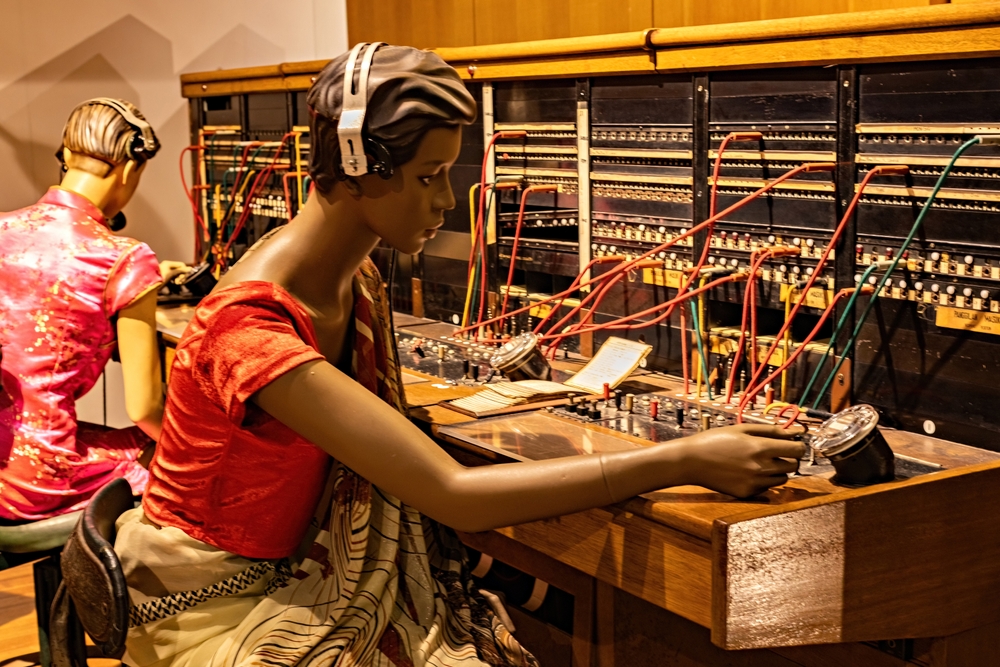
Telephones were few and far between, and getting one was no easy task. In small towns, telephone exchanges were operated manually. When you picked up the receiver, a familiar voice at the other end would politely ask, “Number, please?” Telephone numbers were only three digits long, and the operator would often exchange a few pleasantries before connecting the call. More often than not, he was probably listening to the conversation too.
I remember my grandfather’s house in Jhansi, where there was a telephone. The operator would invariably ask, “Bhaiyaji, Bambai se kab aaye? Bambai mein barish shuru ho gayi? Didi kaisi hai?” referring to my mother. The telephone exchange was run by barely ten people. Jhansi was an important railway junction and a military base, so it enjoyed priority status for telephone services. It was often easier to connect a call from Jhansi to Bombay than from Bombay to Jhansi. At times, it could take as long as forty-eight hours for a telephone call to be connected. Not everyone owned a telephone, and in an emergency one often had to leave a message with a neighbour or relative who lived a few minutes away.
Bombay was always a busy exchange, and there were long queues for calls. Besides an ordinary call, one could pay extra to book a PP, or Particular Person, call. In such cases, the operator would first ring the number and ask whether the person you wished to speak to was available before connecting the call. For an even higher charge, one could book a Lightning Call, which was given priority and connected much more quickly.
Then there was the telegram, where every word mattered because messages were charged by the word. People became experts at saying as much as possible in as few words as they could. Certain standard phrases became universally understood. “Wire welfare” simply meant, “We have not heard from you for a long time. Are you well?”
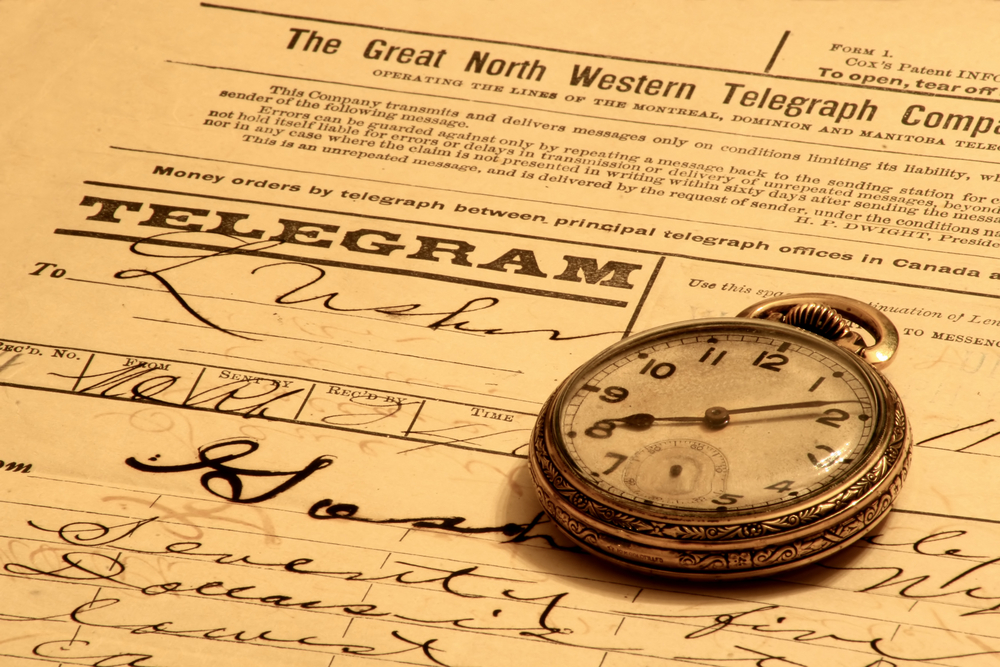
The postman delivered telegrams immediately, sometimes even in the middle of the night. A loud knock on the door would wake the entire household, followed by his unmistakable announcement: “Telegram!” News of births, deaths and other important family events often arrived through these brief but significant messages.
Letter writing was an art in itself. People wrote long, thoughtful letters expressing affection, sharing family news, discussing problems, resolving differences and nurturing relationships across distances.
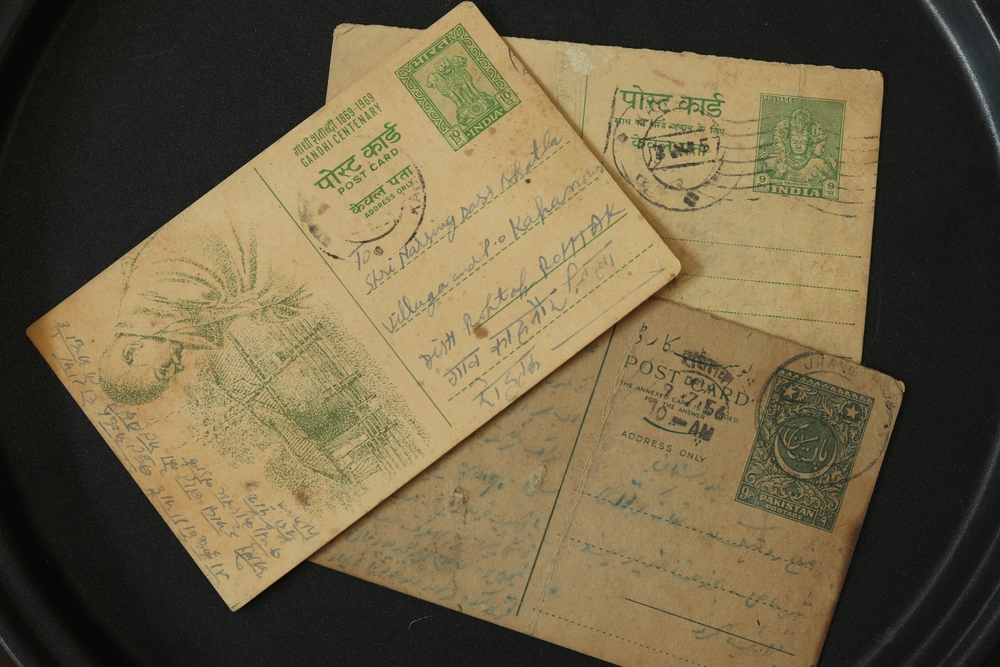
There were postcards that cost five paisa, inland letters for twenty-five paisa and envelopes for fifty paisa. Every afternoon, families eagerly awaited the arrival of the postman because both good news and bad news travelled through the mail.
A marriage proposal was often announced with a splash of saffron on the letter and envelope. A postcard conveying news of a death traditionally carried a black border. For a little extra, one could send a letter by Express Delivery. Envelopes containing Rakhi almost always arrived in time for the festival.
The greatest excitement came during Diwali and the New Year, when greeting cards were exchanged in large numbers. Posting them at the railway station or the main post office, simply to ensure they reached their destination on time, became a cherished annual ritual.
In small towns, the postman knew almost every family personally and was often the fortunate recipient of diaries, calendars, sweets and other festive gifts. In Mumbai, however, a posse of postmen would arrive at one’s doorstep during Diwali, cheerfully asking for their traditional Diwali bakshish. It is a custom that continues even today.
Obtaining a telephone in Mumbai was almost impossible. There was a long waiting list, although certain professions and special circumstances received priority. My mother was a heart patient, and this enabled our family to obtain a telephone on compassionate grounds. We became the first family in our building to have one.
My parents considered it a neighbourly duty to allow everyone in the building to use our telephone. Neighbours both made and received calls from our home. My father had one strict rule. Even if we were in the middle of a meal and a call came for someone living on the second floor, we were expected to stop eating immediately and inform them. There were no excuses. We could never say, “We are having lunch. Please call back later.”
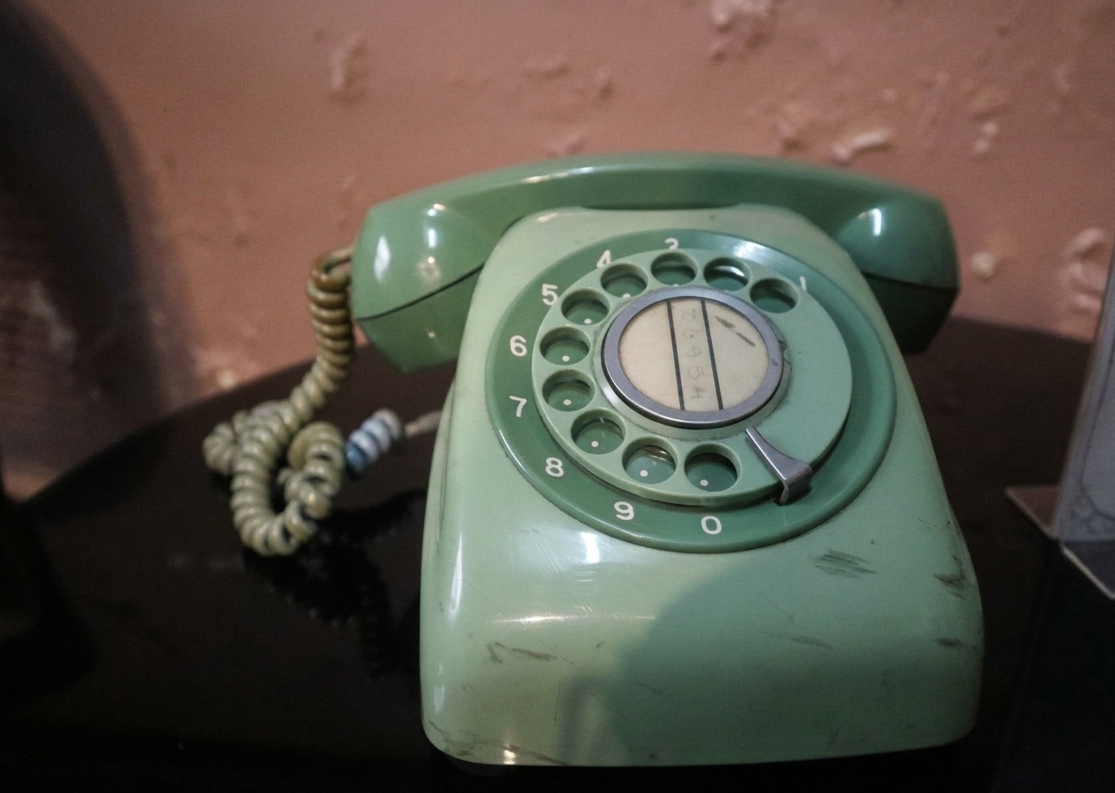
Gradually, one family after another acquired a telephone and this responsibility became less frequent. Telephone conversations, too, followed a certain etiquette. One never came straight to the point. Every conversation began with enquiries about health, family and general well-being before gently moving on to the real reason for the call.
Long before mobile phones displayed the caller’s identity, prank calls were an innocent source of amusement for many youngsters. With no caller ID and very few telephones around, a mischievous call could leave everyone completely bewildered. Children and college students often challenged one another to ring a random number and ask absurd questions in a perfectly serious voice. Someone might ask, “Has your refrigerator been running?” and, when the puzzled person replied, “Yes,” quickly respond, “Then you’d better catch it before it runs away!”
Another great source of amusement was the mysterious cross connection. At times, four or even five telephone conversations would become intertwined, and the resulting confusion was hilarious. Wrong numbers were equally common and could lead to irritation, laughter or harmless pranks. The younger generation will probably never know the simple joy of wrong numbers and prank calls.
Looking back today, communication was certainly slower, but perhaps it was also warmer, more personal and infinitely more patient.
The introduction of the telex into business communication marked a significant leap forward. It seemed almost magical that a message typed on one machine could be answered almost instantly by someone hundreds of miles away. Soon afterwards came the fax machine. Photographs, documents, contracts and reports could be transmitted within minutes. Business communication was no longer dependent on the postal service.
For many young people of that era, learning to use email was their first step into the digital world. Then came computers, the internet and websites. Families spread across continents could suddenly exchange messages almost instantly. Distance began to lose its meaning.
The greatest transformation came with the smartphone. Technology completely changed the way people communicated. Landline telephones gradually became redundant. Calls, messages, photographs, banking, shopping, entertainment, travel bookings and countless other services became available through a single device. Perhaps no application has influenced everyday life more than WhatsApp. A medical report can now be shared instantly with doctors across continents. Live location enables people to find one another with ease.
Along with these benefits came new challenges. Misinformation now spreads at extraordinary speed. People often forward messages without checking whether they are true. The old concern of “Log kya kahenge?” has largely given way to a world where everyone has an opinion and is ready to broadcast it. Platforms such as Facebook and Instagram have created entirely new ways of interacting. Social media has undoubtedly brought people closer in some ways while changing the very nature of human relationships.
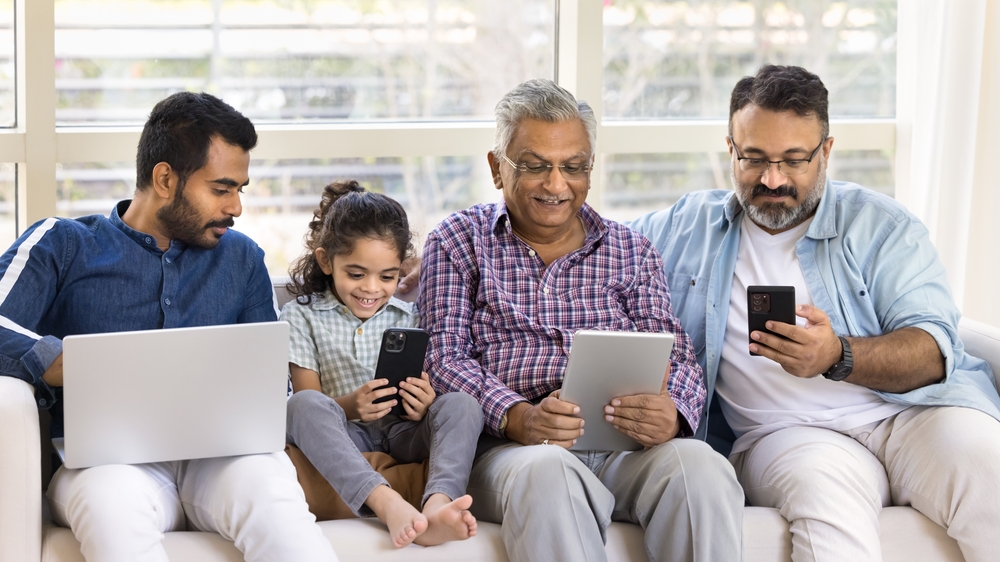
Today, instead of telephoning someone to wish them a happy birthday, it is easier to send a message. Families often communicate less because there seems little reason to make a call. Forwarding a reel has become the modern way of saying, “I thought of you.” Increasingly, people appear to be talking to a virtual world rather than to those sitting beside them. Such is the dominance of the smartphone that families sitting together are often absorbed in their own screens, exchanging very few words.
There was a time when families gathered around the dining table, sharing long conversations, laughter and affection. Today, many sit in front of the television with a ready-made meal, speaking very little. Ironically, although communication has never been cheaper or easier, meaningful conversations have become increasingly rare. Calls cost virtually nothing, yet fewer people actually pick up the phone to hear another human voice.
Perhaps the real question is not how much communication has changed, but whether we have become better communicators. Technology has made the world smaller, information faster and connections easier. Yet the warmth, patience and human touch that once defined communication seem, sadly, to be slowly disappearing.

Perhaps the greatest gift we can give our children and grandchildren is not the latest gadget or another app, but the ability to listen, to talk and to spend unhurried time with one another. A phone call can still convey warmth that no emoji can match. A handwritten note can still become a treasured keepsake. And a conversation over a cup of tea can still solve problems that hundreds of messages never will.
Technology will continue to evolve. Artificial Intelligence will transform communication in ways we can scarcely imagine today. But one thing should never become obsolete: the human connection. After all, communication was never merely about exchanging information. It has always been about sharing a part of ourselves with someone else. And that is something no machine will ever truly replace.